Table of Contents
Mobile and manufactured homes in Florida face unique roofing challenges. The original roofs—typically rolled roofing or metal panels—weren't designed to last forever, and Florida's climate accelerates wear. When your mobile home needs roof attention, understanding your options helps you make the best decision for your home, budget, and long-term plans.
Understanding Mobile Home Roof Challenges
Before exploring solutions, let's understand the problems:
Original Roof Issues
Most mobile homes come with one of these original roof types:
Flat/Low-Slope with Membrane or Rolled Roofing:
- Single-ply membrane or asphalt roll roofing
- Typically lasts 10-15 years
- Develops leaks at seams and edges
- Poor insulation value
- Collects heat in Florida sun
Metal Roof (Older Homes):
- Painted steel or aluminum panels
- Fasteners work loose over time
- Seams separate
- Rust develops on steel panels
- Can be noisy during rain
Florida-Specific Problems
Our climate creates additional issues:
- Intense UV degrades membranes rapidly
- Heat buildup makes homes uncomfortable
- Hurricanes stress roof attachments
- Heavy rain finds every weakness
- Humidity promotes mold and mildew
Learn about mobile home roofing solutions we offer.
Option 1: Metal Roof-Over
Installing a new metal roof over your existing roof structure.
How Metal Roof-Overs Work
A metal roof-over system includes:
- New metal panels installed over existing roof
- Strapping or purlins create attachment framework
- Insulation added between layers (optional but recommended)
- New flashing and trim throughout
- Typically creates slight pitch for better drainage
Types of Metal Roof-Overs
Aluminum Panels:
- Lightweight—ideal for mobile home structures
- Won't rust or corrode
- Available in many colors
- Good for coastal areas (salt resistance)
- Typical cost: $6,000-$12,000 for single-wide
Steel Panels:
- Stronger than aluminum
- Slightly heavier
- Requires galvanized coating for rust protection
- More affordable than aluminum
- Typical cost: $5,000-$10,000 for single-wide
Explore mobile home metal roofing options.
Metal Roof-Over Advantages
Why metal is the most popular choice:
Longevity:
- 30-50 years typical lifespan
- Far outlasts original roofing
- Often the last roof you'll need
Weather Protection:
- Excellent hurricane resistance when properly attached
- Sheds water efficiently
- No seams to leak (standing seam options)
- Handles Florida storms well
Energy Efficiency:
- Reflective coatings reduce heat absorption
- Air gap between layers adds insulation
- Optional insulation dramatically cuts cooling costs
- Can reduce energy bills 15-25%
Structural Benefits:
- Strengthens overall roof structure
- Adds to home's rigidity
- Covers existing problems without tear-off
- Improves home appearance significantly
Metal Roof-Over Considerations
Things to keep in mind:
- Higher upfront cost than other options
- Requires proper installation for wind resistance
- Weight (though minimal with aluminum)
- May need to verify park/community approval
- Not DIY-friendly—professional installation essential
Option 2: TPO Membrane Roofing
A premium flat roof solution for mobile homes.
What Is TPO Roofing?
TPO (thermoplastic polyolefin) is a single-ply roofing membrane:
- White, reflective surface
- Heat-welded seams (extremely strong)
- Designed for flat/low-slope roofs
- Popular in commercial roofing, excellent for mobile homes
TPO for Mobile Homes
Why TPO works well:
Installation Process:
- Old roofing typically removed or repaired
- Insulation board installed for improved R-value
- TPO membrane rolled out and positioned
- Seams heat-welded together
- Edges and penetrations carefully detailed
System Options:
- Fully adhered (glued down)
- Mechanically attached (screwed through)
- Combination systems
Learn about TPO roofing for mobile homes.
TPO Advantages
Benefits for mobile home owners:
Energy Efficiency:
- White surface reflects 80%+ of solar radiation
- Dramatically reduces attic/interior temperatures
- Significant cooling cost reduction
- Can qualify for utility rebates
Durability:
- 20-30 year lifespan typical
- Heat-welded seams won't separate like adhesive seams
- Resists punctures and tears
- Handles foot traffic well
Waterproofing:
- Seamless membrane system
- Properly welded seams are watertight
- No overlapping like rolled roofing
- Excellent for Florida's heavy rain
TPO Considerations
What to know before choosing TPO:
- Requires professional installation
- Heat-welding equipment needed
- More expensive than coatings
- Flat appearance (no pitch change)
- Ponding water must be addressed
- Typical cost: $4,000-$8,000 for single-wide
Option 3: Roof Coatings
An affordable option for roofs in fair condition.
How Roof Coatings Work
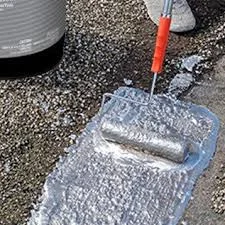
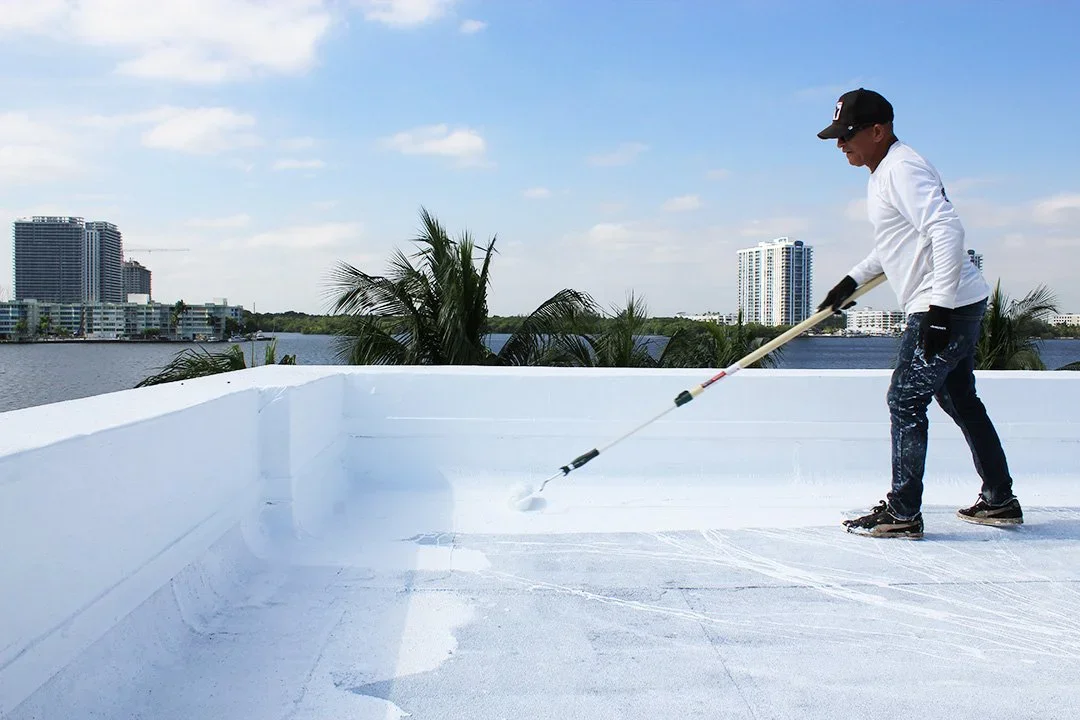
Coatings are applied over existing roofing:
- Surface cleaned and prepped
- Repairs made to damaged areas
- Primer applied if required
- Coating applied (spray, roll, or brush)
- Multiple coats for best results
Types of Roof Coatings
Several coating types suit mobile homes:
Acrylic Coatings:
- Water-based, easy application
- Good UV resistance
- Economical choice
- 5-10 year protection
- Must be applied in dry weather
Silicone Coatings:
- Excellent ponding water resistance
- Superior UV stability
- Longer life than acrylics
- 10-15 year protection
- Higher cost but better performance
Elastomeric Coatings:
- Flexible, expands and contracts
- Bridges small cracks
- Good for aged roofs
- Various formulations available
- 7-12 year typical life
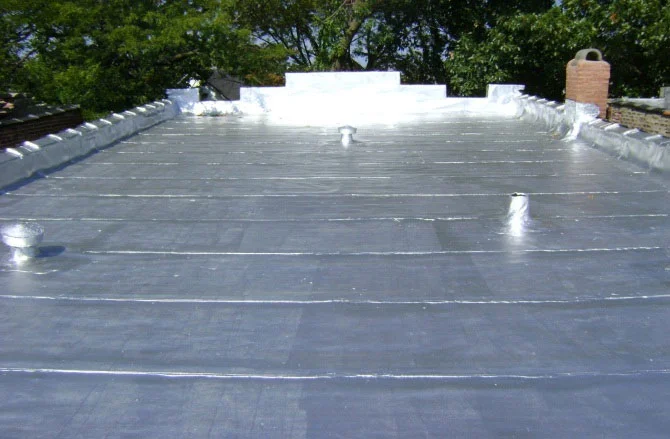
Aluminum Roof Coating:
- Reflective aluminum particles in asphalt base
- Traditional mobile home coating
- Most affordable option
- 3-5 year recoating needed
- Good for extending roof life short-term
Explore mobile home roof coating options.
Roof Coating Advantages
Why coatings are popular:
Affordability:
- Lowest cost option
- Typically $1,500-$3,500 for single-wide
- Extends roof life significantly
- Can be reapplied as needed
Simplicity:
- Minimal disruption during application
- No structural changes required
- Quick application (often same-day)
- Works over various existing materials
Energy Savings:
- White/reflective coatings reduce heat
- Immediate temperature reduction
- Lower cooling costs
Roof Coating Limitations
When coatings aren't the answer:
- Won't fix structural problems
- Not suitable for severely damaged roofs
- Shorter lifespan than other options
- May need reapplication every 5-10 years
- Ponding water areas problematic for some coatings
- Surface must be in reasonable condition
Comparing Your Options
Side-by-side comparison for decision-making:
Cost Comparison (Single-Wide Mobile Home)
| Option | Initial Cost | Lifespan | Cost Per Year |
| Metal Roof-Over | $6,000-$12,000 | 30-50 years | $150-$300 |
| TPO Membrane | $4,000-$8,000 | 20-30 years | $160-$320 |
| Roof Coating | $1,500-$3,500 | 5-10 years | $175-$500 |
Performance Comparison
Hurricane Resistance:
- Metal: Excellent (when properly installed)
- TPO: Good (mechanical attachment important)
- Coating: Depends on underlying roof
Energy Efficiency:
- Metal with insulation: Excellent
- TPO: Excellent (highly reflective)
- Coating: Good (reflective options available)
Waterproofing:
- Metal: Excellent
- TPO: Excellent
- Coating: Good (if properly applied to sound roof)
Best Choice By Situation
Choose Metal Roof-Over If:
- You plan to keep the home long-term
- Maximum protection and longevity matter
- Energy efficiency is a priority
- You want improved appearance
- Budget allows for premium solution
Choose TPO If:
- Flat roof design makes sense
- Energy efficiency is top priority
- You want proven commercial-grade protection
- Moderate budget available
- Good contractor available
Choose Roof Coating If:
- Existing roof is in fair condition
- Budget is limited
- You're extending roof life, not replacing
- Short-term ownership planned
- Buying time before major investment
Choosing a Contractor
Finding the right professional for mobile home roofing:
What to Look For
- Mobile home experience: Different from site-built homes
- Licensed and insured: Verify coverage
- References: Specifically for mobile home work
- Written estimates: Detailed scope of work
- Warranty: Both materials and labor
Questions to Ask
- How many mobile home roofs have you done?
- What attachment method do you use?
- How do you handle wind resistance requirements?
- What's included in your warranty?
- Will you pull required permits?
Red Flags
- No mobile home experience
- Pressure for immediate decision
- Cash-only requests
- No written contract
- Unable to provide references
Additional Considerations
Other factors in your decision:
Park/Community Rules
If your mobile home is in a park:
- Check for roofing restrictions
- Verify approval process requirements
- Understand any aesthetic standards
- Confirm contractor requirements
Insurance Implications
Roofing affects your insurance:
- New roof may reduce premiums
- Metal roofs often get best rates
- Document the improvement
- Notify your insurer
Financing Options
Ways to fund your roof project:
- Home improvement loans
- Contractor financing programs
- Energy efficiency rebates (for qualifying systems)
- Personal loans
Permits and Inspections
Most roofing work requires permits:
- Ensures code compliance
- Protects your investment
- Required for insurance claims
- Professional contractors handle this
Making Your Decision
Steps to choose the right option:
Step 1: Assess Current Condition
- How old is your current roof?
- Are there active leaks?
- What's the overall condition?
- Is the structure sound?
Step 2: Consider Your Plans
- How long will you own this home?
- What's your budget?
- What matters most (cost, durability, appearance)?
Step 3: Get Professional Input
- Schedule inspection
- Get multiple estimates
- Ask about all options
- Compare recommendations
Step 4: Decide and Act
- Don't wait until emergency
- Schedule work for good weather
- Address problems before they grow
The Bottom Line
Florida mobile home owners have excellent roofing options today. Metal roof-overs provide the ultimate in protection and longevity. TPO offers commercial-grade waterproofing and energy efficiency. Roof coatings can extend your roof's life affordably when the underlying structure is sound.
The right choice depends on your budget, how long you'll own the home, and your existing roof's condition. Whatever you choose, addressing roof issues promptly prevents the water damage, mold, and structural problems that turn minor repairs into major expenses.
At Pro Specialty Services, we specialize in mobile and manufactured home roofing throughout Lake County. We'll assess your current roof honestly, explain all your options, and help you choose the solution that makes the most sense for your situation. Contact us for a free inspection and estimate on your mobile home roof.
For more information on roofing options, check out our guides on energy-efficient roofing options, metal roof benefits, and roof coating benefits. If you're considering insurance options for your mobile home, see our insurance claim guide.
Caleb Hutchinson
Owner, Pro Specialty Services
"Mobile home roofing is what we do every day, and I've seen all the options perform over time. For most Florida mobile home owners, a metal roof-over is the best long-term investment—it solves the heat problem, survives hurricanes, and lasts decades. But if budget is tight, a good silicone coating on a sound roof can buy you years of protection at a fraction of the cost. The worst option is ignoring a failing roof until water damage forces an emergency."