Table of Contents
Mobile homes can be expensive to heat and cool due to their construction. The good news is that targeted improvements can dramatically reduce energy costs. Here's how to make your manufactured home more efficient.
Why Mobile Homes Use More Energy
Manufactured homes face energy challenges:
- Thin walls: Less insulation than site-built homes
- Single-pane windows: Common in older units, poor insulation
- Air leaks: More seams and joints than conventional construction
- Ductwork issues: Often in unconditioned spaces, poorly sealed
- Roof exposure: Large surface area relative to floor space
Understanding these challenges helps prioritize improvements.
Seal Air Leaks First
Air sealing provides the best return on investment:
Common leak locations:
- Around windows and doors
- Where walls meet floor and ceiling
- Electrical outlets and switch plates
- Plumbing and wiring penetrations
- Marriage line (in double-wides)
- Around HVAC registers
Solutions:
- Weatherstripping for doors and windows
- Caulk for fixed gaps and cracks
- Foam gaskets behind outlet covers
- Spray foam for larger penetrations
Air sealing often costs under $100 in materials but can save 10-20% on energy bills.
Upgrade Windows
New windows make a significant difference:
- Replace single-pane with double-pane insulated windows
- Add Low-E coating to reflect heat
- Ensure proper sealing during installation
- Consider solar screens or films for sun-facing windows
Window upgrades typically reduce cooling costs 15-25%. In Florida's climate, this adds up quickly.
Improve Roof Insulation
Heat gain through the roof is a major factor in Florida:
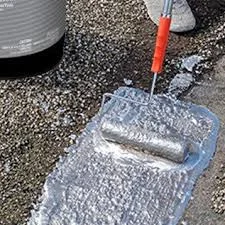
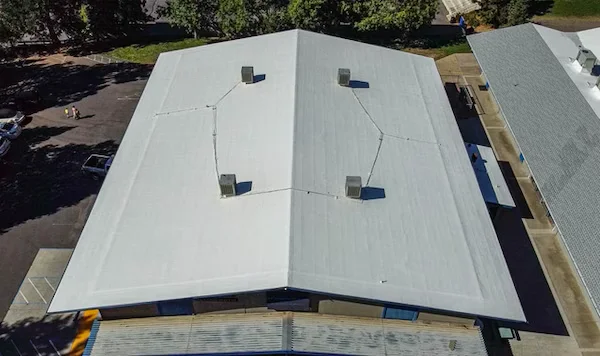
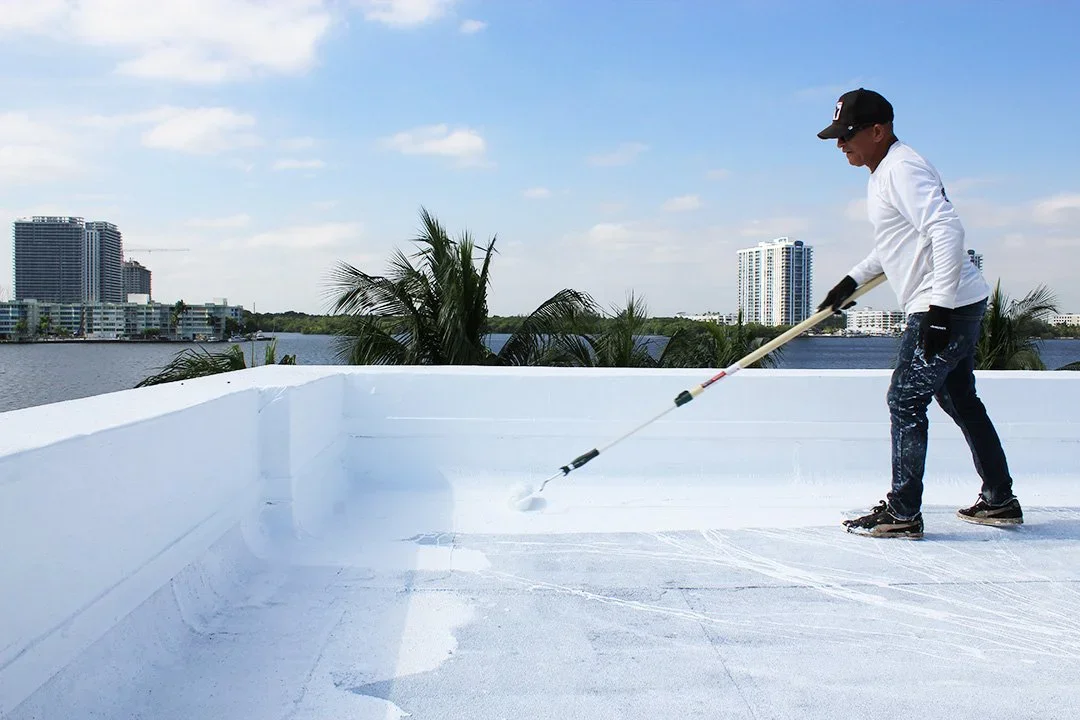
- Add reflective coating to existing metal roof
- Install insulated roof panels for roof-over
- Add radiant barrier in attic space if accessible
- Ensure soffit and ridge vents allow proper ventilation
A reflective roof coating alone can reduce attic temperatures 20-30 degrees, significantly cutting cooling costs.
Address Ductwork
Mobile home ductwork is often a major energy waster:
- Inspect ducts for disconnections, holes, and damage
- Seal connections with mastic or approved tape (not regular duct tape)
- Insulate ducts running through unconditioned spaces
- Balance airflow by adjusting registers
Leaky ducts can waste 20-30% of conditioned air. Sealing them is one of the most effective improvements.
Maintain HVAC System
Keep your heating and cooling system efficient:
- Change filters monthly during peak use
- Have system serviced annually
- Clear debris from outdoor condenser unit
- Consider upgrading old systems (15+ years) to high-efficiency models
- Use a programmable thermostat to reduce use when away
A well-maintained system uses significantly less energy than a neglected one.
Improve Skirting
Quality skirting affects energy use:
- Intact skirting creates a buffer zone under the home
- Proper ventilation prevents moisture while limiting air movement
- Insulated skirting (foam-backed) provides additional benefit
- Ground vapor barriers reduce moisture and humidity
Damaged or missing skirting forces your HVAC to work harder.
Add Belly Board Insulation
The "belly" under your mobile home may be under-insulated:
- Check existing insulation for damage or sagging
- Repair or replace damaged vapor barrier
- Add insulation if below R-11 minimum
- Ensure rodent protection is intact
Belly insulation improvements require crawl space access but provide lasting benefits.
Use Fans and Ventilation
Reduce AC reliance with smart ventilation:
- Ceiling fans allow higher thermostat settings (feels cooler with air movement)
- Exhaust fans remove heat from cooking and bathing
- Open windows during cooler evening hours
- Use window fans to bring in cool air at night
Fans use a fraction of the energy of air conditioning.
Control Solar Heat Gain
Keep sun's heat outside:
- Install awnings or patio covers over sunny windows
- Use exterior solar screens (90% heat rejection)
- Plant shade trees on south and west sides
- Use light-colored curtains or blinds
- Add reflective window film
Blocking heat before it enters is more effective than cooling it after.
Priority Order for Improvements
If budget is limited, address improvements in this order:
- Air sealing - lowest cost, high impact
- Duct sealing - moderate cost, high impact
- Window upgrades - moderate cost, long-term savings
- Roof improvements - higher cost, significant comfort improvement
- HVAC upgrade - highest cost, but necessary when system fails
Pro Specialty Services can help with many energy-saving improvements for mobile homes including roofing (coatings, roof-overs, and metal roofing), windows, and skirting. We serve Lake County and surrounding areas.
Caleb Hutchinson
Owner, Pro Specialty Services
"I see mobile homes with $300+ summer electric bills that could easily be cut in half with targeted improvements. Start with air sealing and duct repair—they're affordable and make an immediate difference. Then tackle windows and roofing as budget allows."