Table of Contents
Drive through any Florida neighborhood and you'll notice a growing trend: metal roofs replacing traditional asphalt shingles. This isn't just a style choice—it's a smart decision based on metal roofing's superior performance in Florida's challenging climate. Let's explore why metal roofing is becoming the preferred choice for homeowners throughout the Sunshine State.
Exceptional Durability and Lifespan
When you invest in a roof, you want it to last. Metal roofing delivers longevity that asphalt shingles simply can't match.
40-70 Years of Protection
While asphalt shingles typically last 15-25 years in Florida's harsh climate, properly installed metal roofing systems routinely last 40-70 years:
- Aluminum and steel: 40-50 years average lifespan
- Copper and zinc: 60-100+ years with proper maintenance
- Standing seam systems: Often outlast the buildings they protect
Why Metal Lasts Longer
Metal roofing resists the elements that destroy other materials:
- No organic material: Unlike shingles, metal can't rot or decompose
- UV resistance: Reflective coatings prevent sun damage
- Moisture impermeability: Metal doesn't absorb water
- Impact resistance: Hail, falling branches, and debris cause minimal damage
- Fire resistance: Class A fire rating—the highest available
Cost Per Year Analysis
Though metal costs more upfront, the math favors metal over time:
- Asphalt shingles: $12,000 installed, replaced every 20 years = $600/year
- Metal roof: $25,000 installed, lasts 50 years = $500/year
That's before considering:
- Fewer repairs over the roof's lifetime
- Lower insurance premiums (many insurers offer discounts)
- Increased home value
- Energy savings from reflectivity
Superior Hurricane and Wind Resistance
Florida homeowners know hurricane preparedness isn't optional. Metal roofing provides the ultimate storm protection.
Wind Ratings That Matter
Properly installed metal roofing systems resist extreme winds:
- Standing seam metal: Rated for 140-180 mph winds
- Screw-down panels: Typically rated for 110-130 mph
- Asphalt shingles (comparison): Even high-wind shingles rarely exceed 130 mph rating
Why Metal Outperforms in Storms
The continuous attachment method makes the difference:
- Interlocking panels: Standing seam systems lock together, creating a monolithic barrier
- Hidden fasteners: No exposed screws to work loose or leak
- Fewer seams: Large panels mean fewer vulnerable points
- Metal strength: Won't tear like shingles or break like tiles
Real-World Storm Performance
After hurricanes, metal roofs consistently show:
- Minimal to no damage while neighboring shingle roofs require replacement
- No missing panels or torn sections
- Maintained weathertight seal even in Category 3-4 storms
- Quick post-storm inspection (nothing to replace or repair)
Energy Efficiency and Cost Savings
Florida's brutal summer heat drives up cooling costs. Metal roofing helps keep your home—and energy bills—cooler.
Reflective Technology
Modern metal roofing includes factory-applied reflective coatings:
- Solar reflectance: Reflects 60-70% of solar radiation (vs. 5-15% for dark shingles)
- Thermal emittance: Releases absorbed heat quickly
- Cool roof ratings: Many metal roofs qualify for ENERGY STAR and Cool Roof Rating Council certification
Temperature Reduction
The impact on attic and living space temperatures is dramatic:
- Attic temperatures: Metal roofs can be 50-60°F cooler than dark shingle roofs
- Interior comfort: Lower attic temps mean less heat transfer to living spaces
- HVAC relief: Air conditioners run less frequently and more efficiently
Energy Bill Savings
Real-world energy savings vary by home, but studies show:
- 10-25% reduction in cooling costs typical for Florida homes
- $200-$600 annual savings on average (larger for bigger homes)
- Lifetime savings: Over 50 years, energy savings can exceed $10,000-$30,000
Tax Credits and Rebates
Energy-efficient metal roofing may qualify for:
- Federal energy tax credits (check current IRS rules)
- Utility company rebates for cool roof installation
- Insurance premium discounts (5-35% in some cases)
Low Maintenance Requirements
Busy homeowners appreciate metal roofing's minimal maintenance needs.
What Metal Roofs Don't Need
Unlike other roofing materials, metal roofs don't require:
- Shingle replacement: No individual pieces to replace after storms
- Re-sealing: Properly installed systems remain watertight for decades
- Moss/algae treatment: Metal doesn't support biological growth
- Frequent repairs: Damage is rare and usually obvious
Minimal Maintenance Tasks
Metal roof maintenance is straightforward:
- Annual inspection: Visual check for loose fasteners or damage (often included in roof inspection services)
- Gutter cleaning: Same as any roof—keep gutters clear
- Panel cleaning: Optional; rain usually keeps panels clean, but you can rinse if desired
- Fastener check: On screw-down panels, verify screws remain tight every few years
Warranty Protection
Metal roofing comes with industry-leading warranties:
- Material warranties: 30-50 years on panels and coating
- Weathertight warranties: 20-30 years against leaks
- Fade resistance: 25-30 years on paint and finish
Fire Resistance and Safety
In a state prone to wildfires and lightning, metal roofing provides critical fire protection.
Class A Fire Rating
Metal roofing achieves the highest fire rating:
- Non-combustible: Won't ignite from flying embers or direct flame
- No fire spread: Prevents fire from traveling across the roof surface
- Lightning safety: When grounded, metal roofing safely dissipates lightning strikes
Insurance Benefits
The fire resistance translates to real savings:
- Lower insurance premiums in fire-prone areas
- Easier to insure in high-risk zones
- Peace of mind during wildfire season
Environmental Benefits and Sustainability
Eco-conscious homeowners appreciate metal roofing's green credentials.
Recycled Content
Most metal roofing contains significant recycled material:
- Steel roofing: Typically 25-95% recycled content
- Aluminum roofing: Often 95%+ recycled content
- Pre-consumer recycling: Manufacturing scrap is fully recyclable
100% Recyclable at End of Life
When a metal roof eventually needs replacement:
- Full recyclability: Every panel and fastener can be recycled
- No landfill waste: Unlike shingles (11 million tons in landfills annually in the US)
- Material value: Old metal roofing has scrap value, offsetting removal costs
Energy Savings Reduce Carbon Footprint
Lower cooling needs mean:
- Reduced electricity consumption
- Smaller carbon footprint over the roof's lifetime
- Contribution to LEED and green building certifications
Longevity Equals Sustainability
A roof that lasts 50+ years means:
- Fewer replacements over the building's life
- Less manufacturing impact per year of service
- Reduced resource consumption long-term
Increased Home Value
Metal roofing is one of the few home improvements that can increase property value more than its cost.
ROI on Metal Roofing
National studies show metal roofing recoups:
- 85-95% of installation cost in increased home value at sale
- In some markets, 100%+ return (especially coastal and hurricane-prone areas)
- Stronger ROI than most other roofing materials
Buyer Appeal
When selling your home, metal roofing offers:
- Attractive selling point: Buyers know they won't need roof replacement soon
- Transferable warranties: Many manufacturers allow warranty transfer to new owners
- Lower insurance quotes: Buyers save on insurance from day one
- Modern appearance: Contemporary curb appeal
Faster Sales
Homes with metal roofs often:
- Spend less time on market
- Command higher asking prices
- Face fewer inspection issues
- Attract more serious buyers
Aesthetic Versatility
Modern metal roofing goes far beyond the industrial corrugated look.
Color Options
Today's metal roofing offers extensive color palettes:
- Earth tones: Browns, tans, terra cotta
- Grays and blacks: Charcoal, slate, weathered zinc
- Greens: Forest, patina, sage
- Blues: Sky blue, coastal blue, navy
- Reds: Burgundy, brick red, cardinal
- Custom matching: Special orders available for specific colors
Profile Styles
Metal roofing comes in numerous profiles:
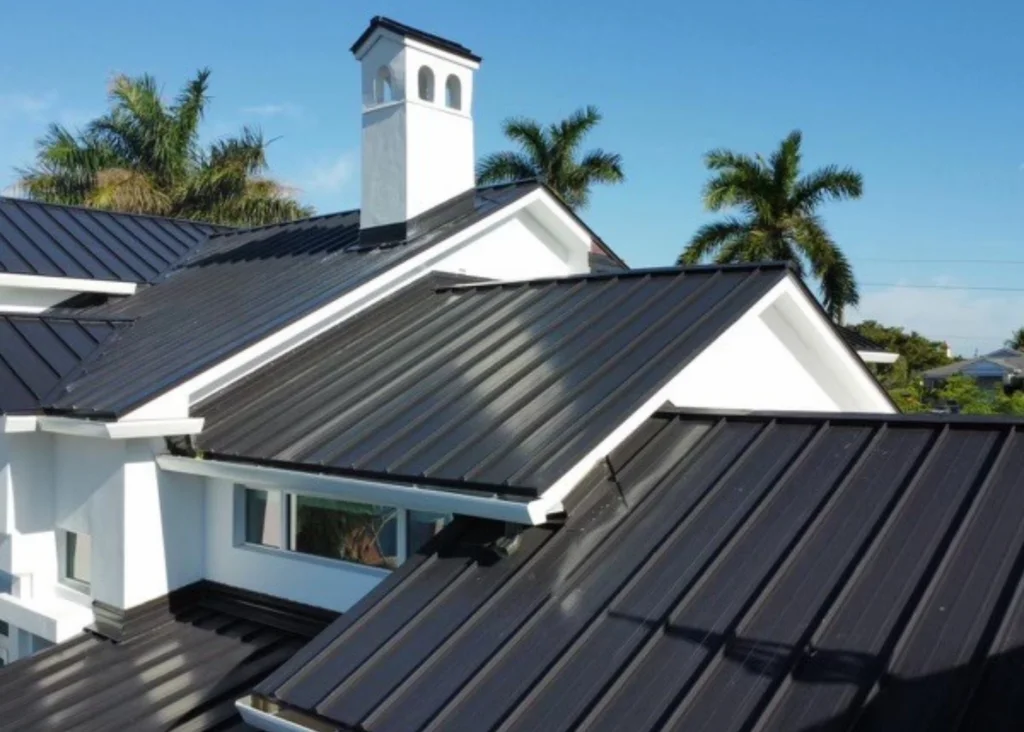
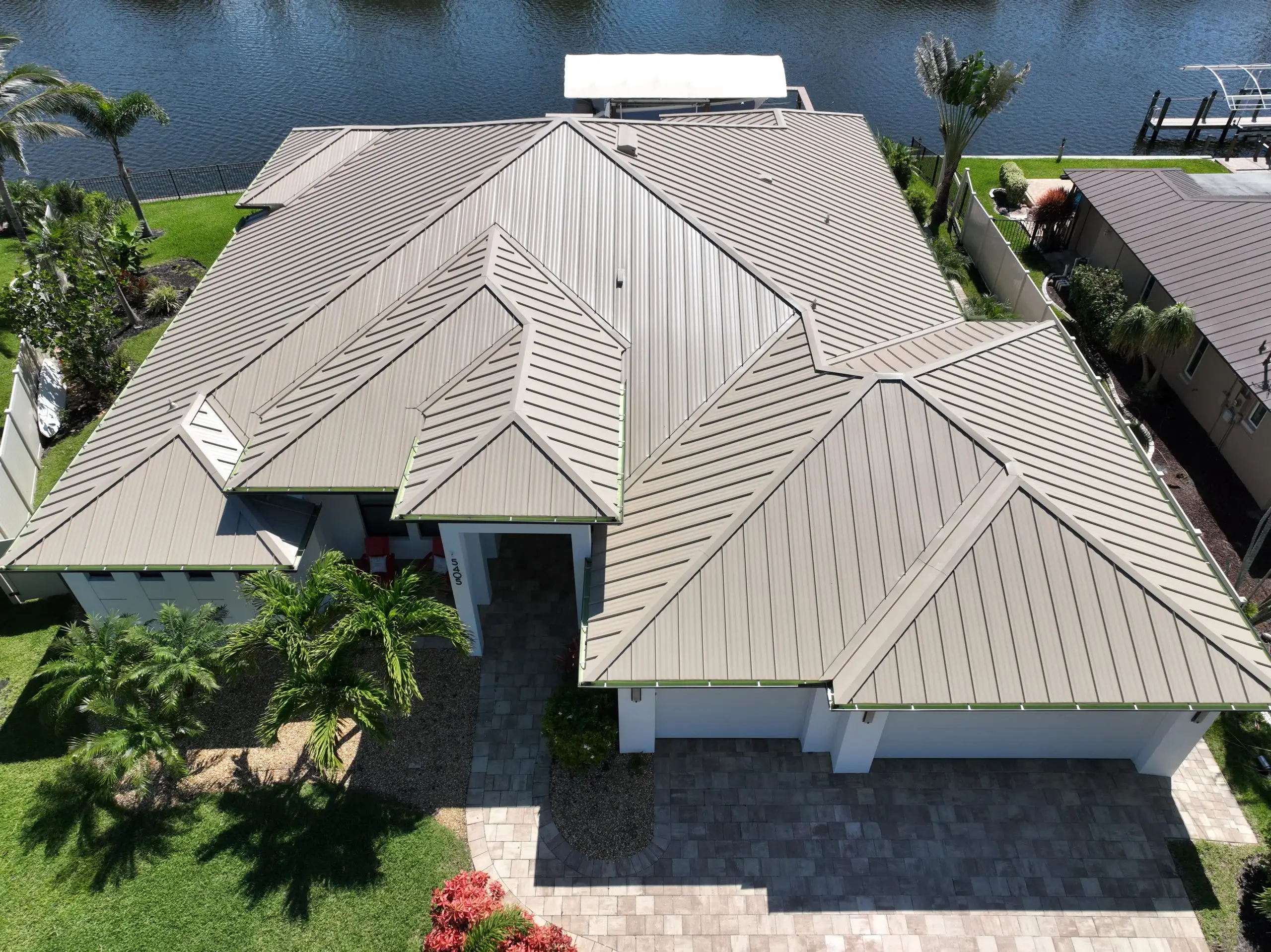
- Standing seam: Clean, modern vertical panels
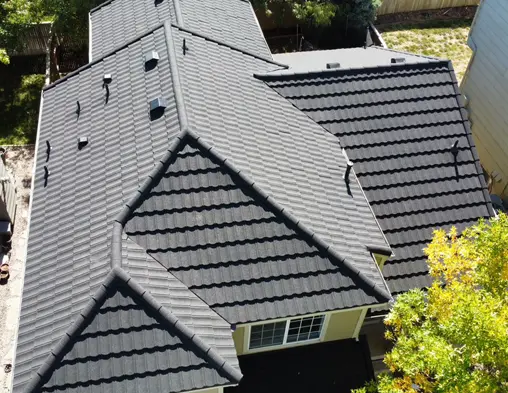
- Metal shingles: Mimic traditional shingle appearance
- Metal tiles: Spanish tile look without the weight
- Corrugated: Agricultural or industrial aesthetic
- Ribbed panels: R-panel or 5V crimp profiles
Architectural Compatibility
Metal roofing suits virtually any home style:
- Modern contemporary: Sleek standing seam in gray or charcoal
- Traditional: Metal shingles in classic colors
- Coastal: Light colors in standing seam or ribbed panels
- Mediterranean: Metal tiles resembling clay
- Ranch/farmhouse: Corrugated metal in earth tones
Debunking Common Metal Roof Myths
Despite metal roofing's benefits, misconceptions persist. Let's set the record straight.
Myth #1: Metal Roofs Are Noisy
Reality: Properly installed metal roofs with solid decking and insulation are no noisier than asphalt shingle roofs during rain. The noise concern stems from agricultural metal buildings (no insulation, no sheathing). In residential installations, you won't notice increased noise.
Myth #2: Metal Roofs Attract Lightning
Reality: Metal doesn't attract lightning any more than other roofing materials. Lightning strikes the highest point in an area regardless of material. However, if lightning does strike, metal roofing safely dissipates the energy (being non-combustible), while shingles can ignite.
Myth #3: Metal Roofs Rust
Reality: Modern metal roofing features protective coatings that prevent rust:
- Galvanized or galvalume steel has zinc coating
- Aluminum doesn't rust (though it can oxidize harmlessly)
- Painted finishes add another layer of protection
- Warranties guarantee against rust for 30-50 years
Myth #4: Metal Roofs Dent Easily
Reality: Quality metal roofing resists denting from hail and falling branches. While severe impacts can dent metal (as can severe impacts dent cars, siding, etc.), properly gauged metal roofing withstands normal hail and storm debris that would destroy shingles.
Myth #5: Metal Roofs Are Too Expensive
Reality: Metal costs more upfront but less over time:
- Lower lifetime cost due to longevity
- Reduced energy bills offset initial cost
- Minimal repair expenses over decades
- When amortized over the roof's life, metal is often cheaper than shingles
Myth #6: You Can't Walk on Metal Roofs
Reality: You can safely walk on metal roofing when necessary. Installers walk on panels during installation, and homeowners can access roofs for maintenance (though walking on any roof should be done carefully and minimally).
Metal Roofing and Insurance
Insurance companies recognize metal roofing's superior performance and often reward it.
Premium Discounts
Many Florida insurers offer discounts for metal roofing:
- 5-35% premium reduction depending on insurer and roof type
- Highest discounts for impact-resistant, high-wind-rated systems
- Cumulative savings: Discount applies every year for the life of the roof
Easier to Insure
In areas where coverage is difficult to obtain:
- Some insurers only cover homes with metal or tile roofs
- Metal roofs improve insurability in coastal areas
- Citizens Property Insurance often has better rates for metal roofs
Claim Documentation
After storms, metal roofs benefit claims:
- Clear documentation of damage (or lack thereof)
- Fewer disputed claims (damage is obvious when present)
- Faster claim resolution
Types of Metal Roofing for Florida Homes
Not all metal roofing is created equal. Understanding your options helps you choose the best system.
Standing Seam Metal Roofing
The premium choice for residential roofing:
- Hidden fasteners: Screws attach to roof deck, not through panels
- Vertical seams: Raised seams interlock panels together
- Expansion capability: Panels can expand/contract with temperature without stressing fasteners
- Best performance: Highest wind ratings and longest warranties
- Cost: $12-$18 per square foot installed
Learn more about standing seam metal roofing options.
Screw-Down Metal Panels
More affordable, still highly effective:
- Exposed fasteners: Screws go through panels into decking
- R-panel or 5V profiles: Traditional agricultural appearance
- Good performance: Wind ratings of 110-130 mph
- Maintenance: Periodic fastener tightening needed
- Cost: $7-$12 per square foot installed
Metal Shingles and Tiles
Traditional appearance with metal performance:
- Shingle look: Mimic asphalt shingles
- Tile appearance: Look like clay or concrete tiles
- Interlocking design: Individual pieces lock together
- Aesthetic compromise: Traditional look, metal benefits
- Cost: $10-$16 per square foot installed
Is Metal Roofing Right for Your Home?
Metal roofing isn't for everyone. Consider these factors when deciding.
Ideal Candidates for Metal Roofing
Metal roofing makes the most sense when:
- Long-term ownership: You plan to stay in your home 10+ years
- Hurricane exposure: You live in coastal or high-wind areas
- Energy concerns: High cooling costs motivate you to reduce consumption
- Low maintenance: You want minimal upkeep requirements
- Sustainability: Environmental impact matters to you
- Final roof: You want the last roof you'll ever install
When to Consider Alternatives
Other roofing materials may be better if:
- Budget constraints: You can't afford the upfront investment
- Short-term ownership: Selling within 5 years
- HOA restrictions: Some associations prohibit metal roofing
- Aesthetic requirements: You strongly prefer traditional shingle appearance
For comparison of options, see our article on metal vs. shingle roofing. If you've decided on metal, our standing seam vs exposed fastener guide helps you choose the right panel type.
Installation Matters: Choosing the Right Contractor
Metal roofing's performance depends heavily on proper installation. Not all roofers have metal roofing expertise.
What to Look For
When hiring a metal roofing contractor:
- Manufacturer certification: Look for factory-trained, certified installers
- Metal-specific experience: Ask how many metal roofs they've installed
- Portfolio: Request photos of completed metal roof projects
- References: Speak with homeowners who had metal roofs installed years ago
- Warranty understanding: Ensure they know manufacturer warranty requirements
Installation Quality Indicators
Proper metal roof installation includes:
- Underlayment: Synthetic underlayment appropriate for metal roofing
- Fastener spacing: Following manufacturer specifications precisely
- Flashing details: Custom flashing for valleys, walls, penetrations
- Expansion accommodation: Allowing for thermal movement
- Clean appearance: Straight panel runs, aligned fasteners, neat trim work
Making the Switch to Metal Roofing
Ready to upgrade to metal? Here's what to expect.
Timeline
Metal roof installation typically takes:
- 1-3 days for most homes (depending on size and complexity)
- Tear-off: 1 day to remove old roofing
- Installation: 1-2 days for panel installation
- Cleanup: Same day as completion
Investment Range
Budget expectations for Central Florida:
- Small home (1,200 sq ft): $10,000-$20,000
- Medium home (2,000 sq ft): $18,000-$35,000
- Large home (3,000 sq ft): $30,000-$55,000
Costs vary based on:
- Metal type (aluminum vs. steel)
- Profile (standing seam vs. screw-down)
- Roof complexity (slopes, valleys, penetrations)
- Removal of existing roofing
- Underlayment and deck repairs
Financing Options
Many homeowners finance metal roofing through:
- Home equity loans or lines of credit
- Roofing company financing programs
- Energy-efficient home improvement loans
- Cash-out refinancing when rates are favorable
The Bottom Line on Metal Roofing
Metal roofing represents a significant investment that pays dividends for decades. For Florida homeowners facing hurricanes, intense sun, and high energy costs, metal roofing offers unmatched protection, efficiency, and longevity. Still skeptical? Read our metal roof myths debunked article to separate fact from fiction.
Is it right for every home and every budget? No. But for homeowners who can afford the initial investment and plan to stay in their homes long-term, metal roofing typically proves to be the smartest roofing decision they can make.
At Pro Specialty Services, we've installed hundreds of metal roofs throughout Lake County, Florida. We're certified in both standing seam and screw-down metal systems, and we'd be happy to assess your home, discuss options, and provide a detailed estimate.
Considering metal roofing for your home? Contact us for a free consultation and see if metal is right for you. When it's time to replace your roof, make it the last time with a premium metal roofing system.
For more roofing guidance, explore our articles on best metal roofing for Florida hurricanes, choosing roofing materials, and energy-efficient roofing options.
Caleb Hutchinson
Owner, Pro Specialty Services
"I installed my first metal roof on my own home 15 years ago. It still looks great, has survived multiple hurricanes without a single issue, and my cooling bills are noticeably lower than my neighbors with shingle roofs. It's the roof I recommend to my own family—that tells you everything you need to know."