Table of Contents
Choosing between metal roofing and asphalt shingles is one of the most common questions we hear from Florida homeowners. Both are excellent options, but they have different strengths that matter depending on your priorities, budget, and how long you plan to stay in your home.
After installing hundreds of both metal and shingle roofs across Lake County, we've seen firsthand how each performs through Florida's brutal summers, hurricane seasons, and everything in between. Here's an honest, data-driven comparison to help you decide.
Quick Comparison at a Glance
| Factor | Metal Roofing | Asphalt Shingles | Winner |
|---|---|---|---|
| Upfront Cost | $8–15/sq ft ($16K–30K+) | $4–7/sq ft ($8K–14K) | Shingles |
| Lifetime Cost (50 yr) | $16K–30K (one roof) | $24K–42K (2–3 roofs) | Metal |
| Lifespan | 40–70 years | 15–25 years | Metal |
| Wind Rating | 140–180 mph | 110–130 mph | Metal |
| Impact Resistance | Class 4 (highest) | Class 1–3 | Metal |
| Energy Savings | 10–25% cooling reduction | 5–15% with cool-roof tech | Metal |
| Insurance Discount | 5–35% premium reduction | 0–10% (impact-rated only) | Metal |
| Maintenance | Minimal (annual inspection) | Moderate (periodic repair) | Metal |
| Aesthetics | Modern, sleek profiles | Traditional, versatile | Tie |
| Ease of Repair | Requires specialist | Easy section replacement | Shingles |
Upfront Cost: What You'll Actually Pay in 2026
Asphalt shingles typically cost $4–7 per square foot installed, while metal roofing runs $8–15+ per square foot depending on the style (exposed fastener, standing seam, or stone-coated steel). For a typical 2,000 square foot roof in Lake County, that's roughly:
- Asphalt shingles: $8,000–$14,000
- Exposed fastener metal: $12,000–$18,000
- Standing seam metal: $18,000–$30,000+
- Stone-coated steel: $15,000–$25,000
That's a significant difference upfront, and for many homeowners, shingles make sense based on budget alone. However, the lifetime cost analysis tells a very different story.
Lifetime Cost: The 50-Year Math
Quality asphalt shingles last 15–25 years in Florida's climate. Metal roofing lasts 40–70 years with minimal maintenance. If you're in your forever home, one metal roof could outlast two or three shingle roofs.
Here's the real math over 50 years for a 2,000 sq ft roof:
- Shingles: 2–3 replacements × $11,000 average = $22,000–$33,000 + disruption of 2–3 multi-day tear-offs
- Standing seam metal: 1 installation × $24,000 = $24,000 total, no disruption after install
Factor in the energy savings (more on that below) and insurance discounts, and metal often costs $10,000–$20,000 less over the life of the home. We've seen homeowners in Mount Dora and Tavares save substantially by going metal on homes they plan to keep for 20+ years.
Hurricane and Storm Performance: The Critical Factor for Florida
This is where the comparison matters most for Central Florida homeowners. After every hurricane season, we repair hundreds of roofs—and the failure patterns tell a clear story.
Wind Resistance Ratings
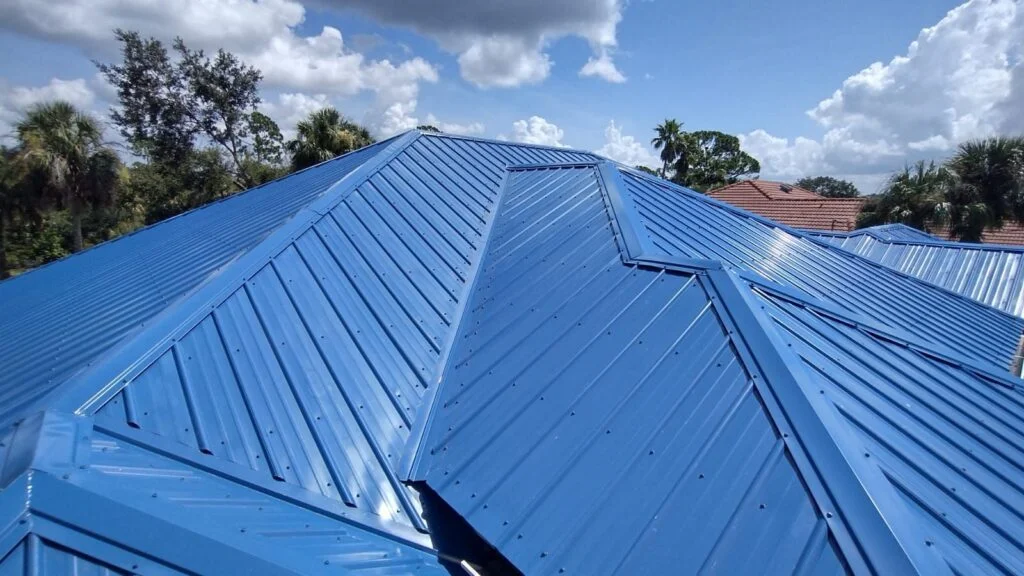
Metal roofing with concealed fasteners (standing seam) is rated for 140–180 mph winds, meeting or exceeding Florida Building Code requirements even in the highest wind zones. The interlocking panel design means there are no individual pieces to peel off.
Asphalt shingles are typically rated for 110–130 mph winds with enhanced nailing patterns (6 nails per shingle vs. the standard 4). Premium architectural shingles like GAF Timberline HDZ can achieve 130 mph ratings, but individual shingles can still lift, crack, or tear away in sustained high winds.
Impact Resistance
Metal roofing achieves Class 4 impact resistance (the highest rating, UL 2218), meaning it withstands a 2-inch steel ball dropped from 20 feet without cracking. This matters for hail and wind-blown debris during storms.
Standard asphalt shingles rate Class 1–2. Impact-resistant shingles (like GAF Armor Shield II) can achieve Class 4, but at a premium price that narrows the gap with metal.
What We've Seen After Hurricanes
After Hurricane Milton in 2024 and other recent storms, our repair calls showed a consistent pattern:
- Shingle roofs: Lifted tabs, missing shingles, granule loss, water intrusion at ridges and valleys. Most required at least partial re-shingling.
- Standing seam metal: Occasional panel denting from large debris, but very rare structural failures or leaks. Most needed only cosmetic touch-ups.
- Exposed fastener metal: Some loosened screws and lifted panels at edges, but significantly less damage than shingles.
Bottom line: properly installed metal roofing is the most hurricane-resistant residential roofing option available in Florida.
Insurance Savings: The Hidden Financial Win
This is the factor most homeowners overlook—and it can dramatically change the cost equation.
Florida insurers increasingly offer significant discounts for wind-resistant roofing. Based on what our Lake County customers have reported:
- Standing seam metal: 5–35% premium reduction (average ~$800–$2,400/year savings)
- Stone-coated steel: 10–25% premium reduction
- Impact-rated shingles (Class 4): 5–15% premium reduction
- Standard shingles: No additional discount beyond base rate
Over 20 years, insurance savings of $1,500/year equals $30,000—nearly paying for the metal roof itself. One Eustis homeowner we worked with saw their annual premium drop from $4,200 to $2,800 after installing a standing seam metal roof. That's $1,400/year or $28,000 over 20 years.
Important: Always check with your specific insurer before making your decision. Ask about their "roof shape credit" and "roof covering credit" to get exact numbers for your policy.
Energy Efficiency: Your AC Bill Will Thank You
In Florida, where we run AC 8+ months per year, roof reflectivity directly impacts energy costs.
Metal roofing reflects 40–70% of solar energy (depending on color and coating), potentially reducing cooling costs by 10–25%. Light-colored metal with reflective coatings can keep your attic 30–40°F cooler than dark shingles.
Asphalt shingles absorb more heat, though modern "cool roof" shingles with reflective granules have narrowed this gap to a 5–15% cooling difference. However, even cool-roof shingles can't match the performance of a reflective metal surface.
For a typical Lake County home spending $250–$350/month on electricity during summer, a metal roof could save $25–$85/month during peak cooling season. Over 12 years, that's $3,600–$12,000 in energy savings alone.
Appearance and Style Options
The old argument that "metal roofs look industrial" is outdated. Modern metal roofing comes in profiles that mimic virtually any style:
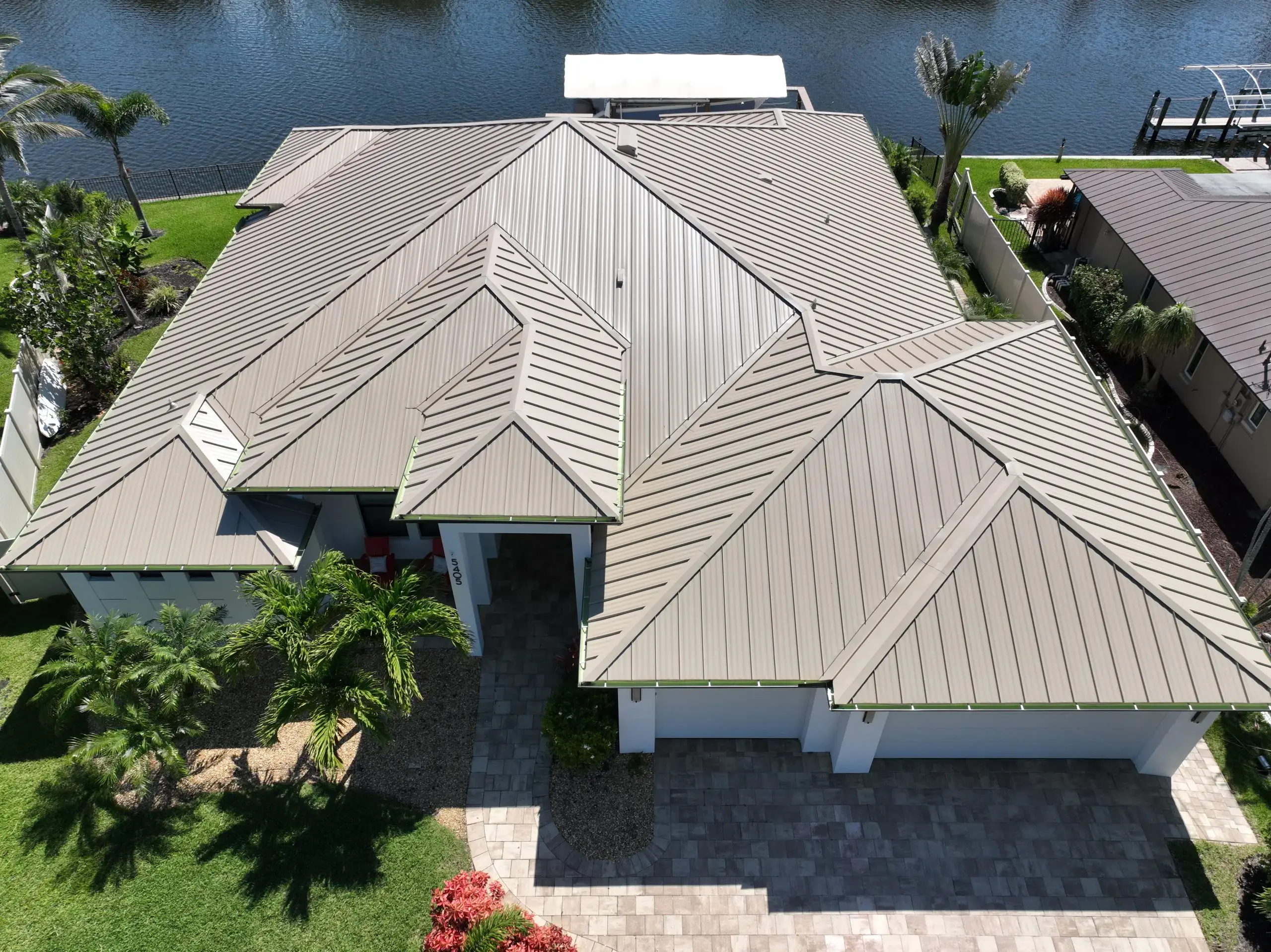
- Standing seam: Clean, contemporary lines—popular in modern and coastal architecture
- Stone-coated steel: Looks identical to tile, shake, or shingles from the street. You'd never know it's metal.
- Corrugated/ribbed panels: Classic farmhouse or rustic aesthetic
- Metal shingles: Individual pieces that mimic traditional shingle patterns
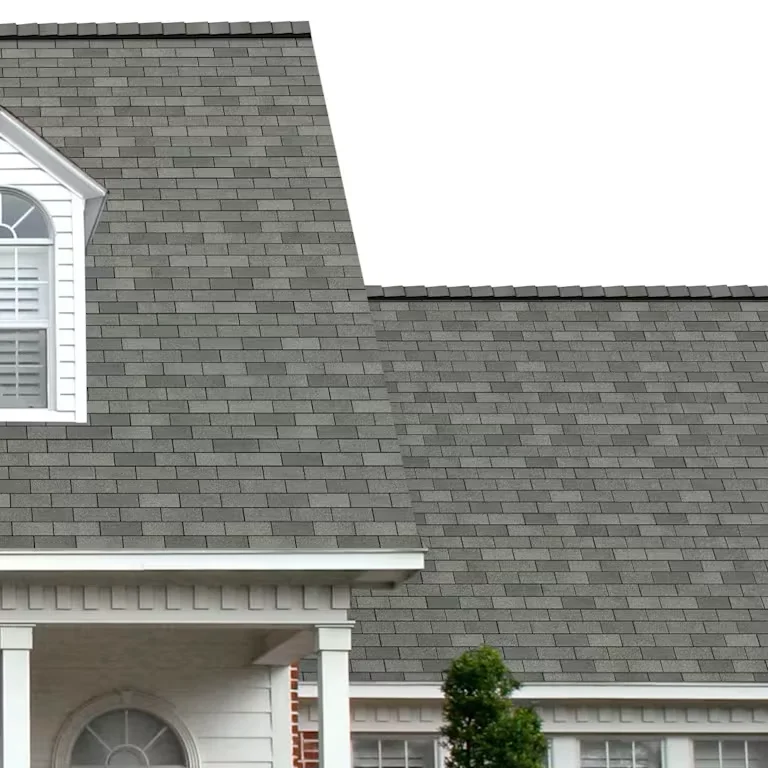
Shingles still offer the widest variety of colors and profiles, and the traditional look complements most home styles. For historic homes in areas like downtown Mount Dora, architectural shingles may be more appropriate for maintaining neighborhood character.
Maintenance Requirements
Metal roofing needs almost no maintenance—annual inspection, keeping debris cleared from valleys, and occasionally touching up scratches or sealant. That's it. Most metal roofs come with 40–50 year manufacturer warranties.
Shingle roofs require periodic inspection for cracked, curled, or missing shingles, algae treatment in shady areas (common in Florida), re-caulking of flashings, and eventual granule loss management. A well-maintained shingle roof can hit the upper end of its lifespan, but it takes consistent attention.
When to Choose Asphalt Shingles
Shingles make sense if:
- Your budget is under $15,000 and financing isn't an option
- You plan to sell within 10–15 years (you'll recoup shingle cost faster)
- Your home is in a historic district with material restrictions
- You prefer the traditional aesthetic and have a strong style preference
- Your roof structure can't support heavier materials (some older homes)
- You need the fastest possible installation timeline
When to Choose Metal Roofing
Metal makes sense if:
- This is your forever home (or you'll stay 15+ years)
- You want maximum hurricane protection for your family
- Long-term savings matter more than upfront cost
- You want to reduce energy bills and your carbon footprint
- You want a roof you can basically forget about for decades
- Your insurance company offers meaningful discounts for metal
- You're concerned about the 2026 hurricane season and beyond
2026 Hurricane Season: Why This Matters Now
NOAA and Colorado State University are both forecasting another above-average Atlantic hurricane season for 2026, following the active 2024 and 2025 seasons. For Central Florida homeowners, this means your roofing material choice isn't just about aesthetics or cost—it's about protecting your home and family.
If your current roof is 15+ years old (shingles) or showing signs of wear, now is the time to plan your replacement before peak hurricane season hits in August–October. Whether you choose metal or shingles, a new, properly installed roof is far more protective than an aging one. For a complete preparation checklist, see our hurricane roof prep guide.
Making Your Decision
Both options work well in Florida. The right choice depends on your specific situation—budget, timeline, aesthetic preferences, and long-term plans. A good roofing contractor should discuss these factors with you honestly rather than pushing the most expensive option.
If you're leaning toward metal, check out our guide on the best metal roofing for Florida hurricanes and learn about the different panel types in our standing seam vs exposed fastener comparison.
At Pro Specialty Services, we install both metal and shingle roofing across Lake County—Eustis, Tavares, Mount Dora, Leesburg, and beyond. We'll give you an honest recommendation based on your situation. Schedule a free roof consultation and we'll walk you through the options on your specific home.
Caleb Hutchinson
Owner, Pro Specialty Services
"I get asked this question almost every day. My honest answer? Both are great choices for Florida. The right one depends on your situation. If you're planning to sell in a few years, shingles usually make more sense. If this is your forever home and you can afford it, metal pays off over time—especially with the insurance savings most people don't realize they can get. Either way, proper installation matters more than the material you choose. A poorly installed metal roof will fail before a well-installed shingle roof."