Table of Contents
Florida homeowners face some of the highest cooling costs in the nation. Your air conditioner runs nearly year-round, and summer electric bills can easily exceed $300-400 monthly. But here's what many don't realize: your roof plays a massive role in those costs. The right roofing choices can reduce cooling expenses by 15-25%, saving hundreds—even thousands—of dollars annually while improving home comfort. This guide explains how to make your roof work for you instead of against you.
Understanding Heat Gain Through Your Roof
Before exploring solutions, it's important to understand the problem. Your roof faces the most intense solar radiation of any part of your home. On a typical Florida summer day:
- Ambient air temperature: 92°F
- Direct sun on dark asphalt shingles: 160-180°F
- Attic temperature beneath dark roof: 140-160°F
- Ceiling temperature below poorly insulated attic: 95-105°F
This massive temperature differential forces your AC to work overtime. The heat radiates down through ceiling insulation, warming your living space faster than the AC can cool it. Even with properly rated insulation, extreme attic temperatures overwhelm its effectiveness. The solution isn't just more insulation—it's preventing heat buildup in the first place.
Cool Roofs: The Foundation of Energy Efficiency
Cool roofing is designed to reflect solar radiation rather than absorb it. The difference is dramatic:
Solar Reflectance Index (SRI)
SRI measures how well a surface reflects solar heat on a scale of 0-100. Higher numbers mean better reflection:
- Standard dark asphalt shingles: SRI 5-15 (absorbs 85-95% of solar energy)
- Light-colored asphalt shingles: SRI 25-30 (absorbs 70-75%)
- White TPO flat roofing: SRI 85-105 (reflects 85-95%)
- Unpainted galvanized metal: SRI 55-65
- White-painted metal roofing: SRI 80-95
- Concrete tile (white/light): SRI 70-90
Real-World Temperature Differences
Studies by the Florida Solar Energy Center found that cool roofs reduce peak attic temperatures by 20-40°F compared to dark roofs. That translates directly to reduced heat transfer into your living space and lower AC runtime.
Cool Roof Materials for Florida Homes
**White or Light-Colored Metal Roofing**: The gold standard for cool roofing in Florida. Factory-applied reflective coatings achieve SRI values of 80-95. Metal's smooth surface sheds heat quickly, and properly ventilated installations allow air circulation beneath panels.
White TPO or PVC Flat Roofing: Ideal for flat or low-slope applications. White membrane roofing reflects 70-85% of solar radiation and stays 50-60°F cooler than black EPDM or asphalt.
Light-Colored Tile Roofing: Concrete or clay tiles in white, cream, or terra cotta colors reflect significant solar heat. The air space between tiles and underlayment provides additional insulation benefit.
Cool Asphalt Shingles: Specially formulated with reflective granules, these achieve SRI values of 25-40—not as effective as metal or white membranes but better than standard shingles. Often called "IR-reflective" or "cool roof" shingles by manufacturers like Owens Corning and GAF.
Reflective Roof Coatings: Transforming Existing Roofs
If full roof replacement isn't in your budget, reflective roof coatings can dramatically improve energy efficiency of existing roofs.
How Roof Coatings Work
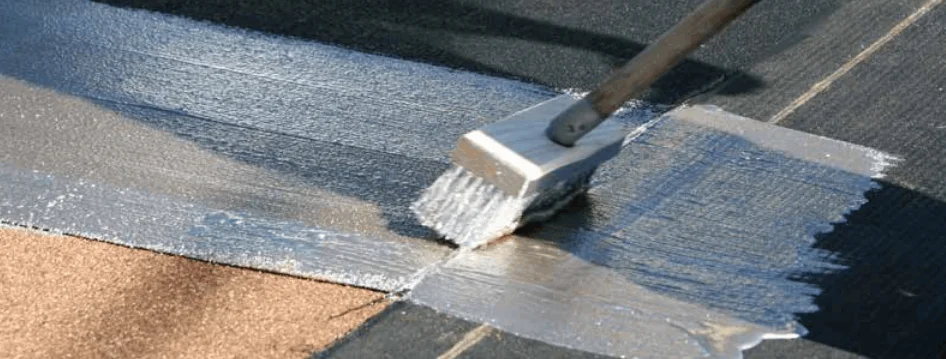
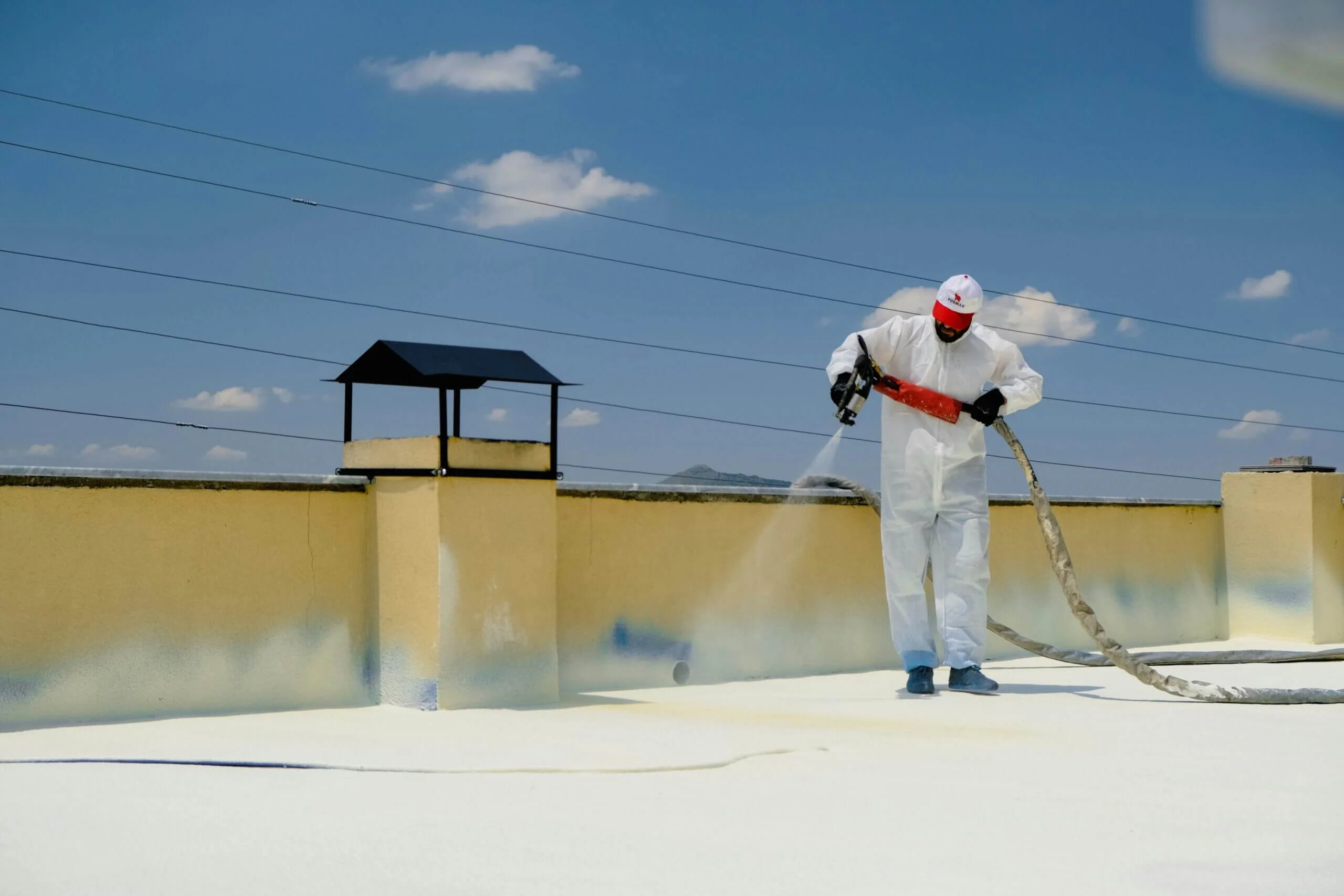
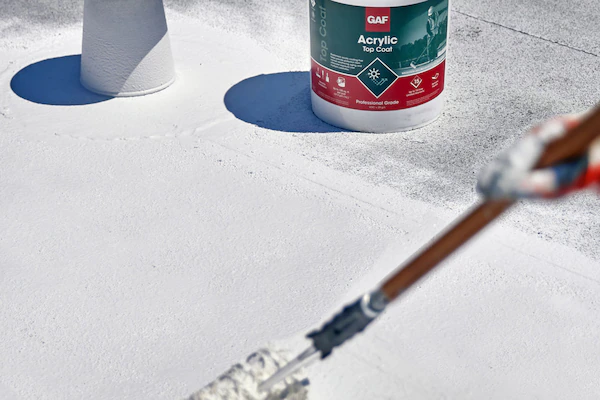
Elastomeric coatings are applied like thick paint, creating a seamless reflective membrane over existing roofing. They're especially effective on:
- Flat or low-slope roofs (metal, modified bitumen, built-up roofing)
- Metal roofing (even over rusty or faded panels)
- Asphalt shingles in good condition
Coating Benefits
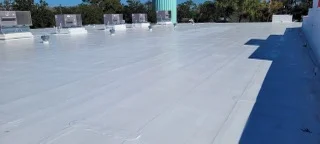
Immediate Temperature Reduction: White elastomeric coatings can reduce roof surface temperature by 50-80°F. A black flat roof reaching 170°F can drop to 110-120°F after coating—cooler than the air temperature.
Extended Roof Life: Coatings seal minor leaks, prevent UV damage, and reduce thermal cycling (expansion/contraction) that stresses roofing materials. This can extend roof lifespan by 10-15 years.
Cost-Effective: Coating costs $1.50-$3.50 per square foot—a fraction of replacement cost—while providing 60-80% of the energy savings of a new cool roof.
Quick Installation: Most coating projects complete in 1-2 days with minimal disruption.
Coating Limitations
Coatings work best on structurally sound roofs. They're not suitable for:
- Roofs with significant damage or leaks
- Asphalt shingles with extensive granule loss or curling
- Roofs nearing end of lifespan (you'll replace soon anyway)
Proper Attic Ventilation: The Critical Component
Even the most reflective cool roof won't perform optimally without proper attic ventilation. Ventilation allows hot air to escape and fresh air to enter, preventing heat buildup.
Balanced Ventilation System
Effective ventilation requires both intake and exhaust:
Intake Vents (Soffit Vents)
Located under roof eaves, soffit vents allow cool air to enter the attic. Continuous perforated soffit is ideal, providing intake along the entire eave length.
Exhaust Vents (Ridge Vents, Gable Vents, or Power Ventilators)
Located at the roof peak or gable ends, exhaust vents allow hot air to escape. Ridge vents running along the peak provide continuous exhaust—the most effective passive system.
Ventilation Requirements
Building codes require 1 square foot of ventilation for every 150 square feet of attic space (with balanced intake/exhaust). Many older homes are under-ventilated. Adequate ventilation can reduce attic temperatures by 15-25°F.
Powered Attic Ventilators
Electric or solar-powered fans actively pull hot air out of attics. They're effective but controversial:
Pros: Dramatically reduce attic temperatures, especially in complex roof designs where passive ventilation is difficult.
Cons: Can depressurize attics, pulling conditioned air from living spaces through ceiling penetrations. Only effective if attic is properly sealed from living space.
The Ventilation-Sealing Balance
Ventilation works best when combined with proper air sealing. Seal penetrations (recessed lights, attic access, plumbing vents) between living space and attic. This prevents conditioned air from escaping into the attic while allowing outdoor air to ventilate the attic. Learn more in our detailed guide on attic ventilation importance.
Insulation: The Final Defense
While cool roofs and ventilation prevent heat buildup, insulation provides the final barrier against heat transfer into living spaces.
Recommended R-Values for Florida
The Department of Energy recommends R-38 to R-60 attic insulation for Florida (Zone 2). Most existing homes have R-19 to R-30—significantly under-insulated.
Insulation Types
Fiberglass Batts: R-3.2 per inch, affordable, DIY-friendly. Requires careful installation to avoid gaps.
Blown-in Fiberglass or Cellulose: R-2.5-3.5 per inch, fills gaps effectively, good for irregular joist spacing. Professional installation recommended.
Spray Foam: R-6 per inch (closed-cell), excellent air sealing, highest cost. Creates conditioned attic space when applied to roof deck—changes ventilation requirements.
Radiant Barriers
Reflective foil barriers installed on the underside of roof decking reflect radiant heat back toward the roof. Studies show 5-10% cooling cost reduction in Florida when combined with adequate ventilation. Radiant barriers work best with ventilated attics, not spray foam applications.
When to Add Insulation
Roof replacement is the perfect time to improve attic insulation since the attic is accessible and debris from tear-off can be removed. Adding insulation during roofing work costs less than a separate project.
Energy Savings Calculations: What Can You Expect?
Let's quantify the potential savings with realistic scenarios:
Scenario 1: Dark Shingles to Light Metal Roof
Starting point: 2,000 sq ft home, dark asphalt shingles, R-30 insulation, adequate ventilation, $300 monthly summer cooling bill
Upgrade: White metal roofing (SRI 85)
Expected savings: 20-25% reduction = $60-75 monthly, $720-900 annually
Payback: If metal roof costs $8,000 more than shingle replacement, payback is 9-11 years. With 40+ year metal roof lifespan, that's 29-31 years of pure savings.
Scenario 2: Reflective Coating on Existing Flat Roof
Starting point: 1,200 sq ft commercial building, black EPDM flat roof, R-19 insulation, $400 monthly summer cooling bill
Upgrade: White elastomeric coating ($2,400 total cost)
Expected savings: 15-20% reduction = $60-80 monthly, $720-960 annually
Payback: 2.5-3.3 years, then pure profit
Scenario 3: Comprehensive Approach
Starting point: 2,500 sq ft home, medium-colored shingles, R-25 insulation, poor ventilation, $350 monthly summer cooling bill
Upgrades: Light-colored architectural shingles, boost insulation to R-49, add ridge venting and continuous soffit intake
Cost: $3,000 more than basic dark shingle replacement
Expected savings: 15-18% reduction = $52-63 monthly, $625-755 annually
Payback: 4-5 years
Tax Credits, Rebates, and Incentives
Energy-efficient roofing improvements may qualify for financial incentives:
Federal Tax Credits
The Residential Energy Efficiency Tax Credit (25C) provides credits for qualified roofing products that meet ENERGY STAR requirements:
- Cool metal roofing: Up to $500 credit (check current law for updated amounts)
- Reflective coatings: May qualify
Requirements change, so verify current eligibility at energystar.gov or consult your tax professional.
Local Utility Rebates
Some Florida utilities offer rebates for energy-efficient home improvements. Check with Duke Energy, OUC, and other local providers for current programs. Rebates typically range $100-500 for qualifying roofing upgrades.
Insurance Discounts
While primarily for wind/impact resistance, some insurers offer discounts for reflective roofing that reduces overall home operating costs and heat-related risks. Ask your insurance agent about available discounts.
Beyond Cooling: Year-Round Comfort Benefits
Energy-efficient roofing provides benefits beyond lower electric bills:
Improved Indoor Comfort
Cooler attics mean more consistent temperatures throughout your home. Second-story rooms that were always warmer become comfortable. AC systems cycle less frequently, maintaining steadier temperatures.
Extended HVAC Lifespan
AC systems that run less intensely last longer and require fewer repairs. Reducing runtime by 20% can extend AC lifespan by 2-4 years—a $5,000-8,000 replacement cost delayed.
Reduced Environmental Impact
Lower energy consumption means reduced fossil fuel use (for grid electricity). A 20% cooling cost reduction equals roughly 1,500-2,000 kWh annually for a typical home—equivalent to removing 1+ tons of CO2 emissions yearly.
Enhanced Home Value
Energy-efficient features increasingly drive home values. Buyers appreciate documented lower utility costs and modern, sustainable features. Energy-efficient roofing can boost resale value and marketability.
Making the Right Investment for Your Home
Energy-efficient roofing isn't one-size-fits-all. Consider these factors when planning:
Current Roof Condition
Need replacement soon: Choose the most energy-efficient material your budget allows. Metal roofing or light-colored options provide maximum benefit.
Good condition, years left: Consider reflective coating to improve efficiency without full replacement cost.
Recently replaced with dark materials: Coating may be an option, or wait for natural replacement cycle.
Budget Constraints
Unlimited budget: Choose premium metal or tile in light colors with comprehensive insulation and ventilation upgrades.
Moderate budget: Select cool-rated architectural shingles and improve ventilation/insulation during installation.
Tight budget: Apply reflective coating to existing roof if suitable, add ridge venting, and boost insulation in phases.
Long-Term Plans
Staying 10+ years: Invest in maximum efficiency—you'll recoup costs through savings and enjoy comfort benefits.
Selling within 5 years: Focus on cost-effective improvements with quick payback and strong resale appeal (light-colored quality materials, proper ventilation).
Get Expert Guidance on Energy-Efficient Roofing
At Pro Specialty Services, we help Lake County homeowners reduce energy costs through smart roofing choices. We'll evaluate your current roof, calculate potential savings based on your specific situation, and recommend solutions that fit your budget and goals.
Whether you're considering a new metal roof for maximum efficiency, reflective coating for your existing roof, or improved ventilation and insulation, we provide honest assessments and transparent pricing. We serve all of Lake County including Clermont, Leesburg, Mount Dora, Eustis, and The Villages.
Contact us for a free energy-efficiency roof evaluation. We'll show you exactly how much you can save and what it will cost to get there. For more information on related topics, check out our guides on choosing energy-efficient roofing materials, the importance of proper attic ventilation, and why many homeowners are switching to metal roofing for energy savings.
Caleb Hutchinson
Owner, Pro Specialty Services
"I've seen homeowners spend thousands on high-efficiency AC units while ignoring their roofs—the biggest heat source in the home. The most efficient AC can't overcome a heat-absorbing roof and superheated attic. Start at the top. A cool roof plus proper ventilation often delivers more savings than any HVAC upgrade, and it protects your home for decades."