Table of Contents
Metal roofing has experienced a surge in popularity among Florida homeowners, and for good reason. It offers exceptional durability, energy efficiency, and hurricane resistance. Yet despite these proven benefits, many homeowners hesitate because of persistent myths and misconceptions.
These myths have been circulating for decades, often based on outdated information or experiences with agricultural metal buildings rather than modern residential roofing systems. In this article, we'll examine the most common metal roof myths and reveal the facts that every Florida homeowner should know.
Myth #1: Metal Roofs Are Noisy in the Rain
The Myth: Many people believe that a metal roof will sound like a drum during Florida's frequent rainstorms, making it impossible to sleep or have a conversation.
The Reality: This is perhaps the most persistent metal roof myth, and it's completely unfounded for modern residential installations.
Why the Myth Exists
This misconception comes from experience with:
- Agricultural buildings: Barns and sheds with metal roofing directly over open space
- Older commercial buildings: Warehouses without insulation
- Carports and patio covers: Uninsulated metal structures
In these applications, there's nothing between you and the metal to dampen sound. Rain does make noise hitting the bare metal.
How Modern Residential Metal Roofs Differ
Residential metal roofing installations include multiple sound-dampening layers:
- Solid roof decking: Typically 1/2" to 3/4" plywood or OSB
- Underlayment: Synthetic or felt materials that absorb sound
- Attic space: Air gap further reduces sound transmission
- Insulation: Standard attic insulation adds significant sound dampening
- Interior ceiling: Drywall provides final sound barrier
What Studies Show
Research on noise levels confirms that properly installed residential metal roofs are no louder than asphalt shingle roofs during rain. In fact, some metal roof types with textured coatings may actually be quieter than smooth metal or some tile roofing options.
Myth #2: Metal Roofs Attract Lightning
The Myth: Because metal conducts electricity, a metal roof will attract lightning strikes and put your home at greater risk.
The Reality: This myth reflects a fundamental misunderstanding of how lightning works.
The Science of Lightning
Lightning doesn't seek out metal. It follows the path of least resistance to reach the ground, which typically means striking:
- The tallest objects: Trees, poles, towers
- Pointed objects: Spires, antennas
- Proximity to clouds: Height matters most
Your roof's material has no influence on lightning strike probability. A metal roof is no more likely to be struck than an asphalt shingle roof, tile roof, or any other material.
If Lightning Does Strike
Here's where metal roofing actually provides an advantage:
- Non-combustible: Metal won't catch fire from a lightning strike
- Energy dispersion: Metal conducts and disperses electrical energy
- No explosion risk: Unlike some materials that can shatter or ignite
Asphalt shingles, by contrast, can ignite if lightning strikes the roof. Wood shakes are even more vulnerable to fire.
Expert Perspective
The Metal Construction Association and roofing industry experts consistently confirm that metal roofing poses no increased lightning risk and may actually provide enhanced protection due to its fire resistance.
Myth #3: Metal Roofs Rust
The Myth: Metal roofs will eventually rust and deteriorate, especially in Florida's humid, salt-air environment.
The Reality: Modern metal roofing is engineered to resist corrosion for decades.
Corrosion Protection Technologies
Today's residential metal roofing includes multiple layers of protection:
- Galvanized steel: Zinc coating protects the base metal
- Galvalume coating: Zinc-aluminum alloy provides superior protection
- Aluminum construction: Naturally corrosion-resistant (doesn't rust at all)
- Paint systems: Multiple layers of baked-on coatings
- Clear coats: Additional UV and moisture protection
Coastal Florida Considerations
For homes near salt water, additional considerations apply:
- Aluminum is preferred: Best choice within 1,500 feet of ocean
- Enhanced coatings available: Kynar/PVDF finishes resist salt air
- Stainless steel options: For maximum corrosion resistance
- Proper installation matters: Correct fastener selection prevents galvanic corrosion
See our guide to the best metal roofing for Florida hurricanes for coastal recommendations.
Warranty Evidence
Manufacturer warranties provide the best evidence of durability:
- Panel warranties: 40-50 years against rust-through
- Paint warranties: 25-30 years against fading and chalking
- Some premium systems: Lifetime transferable warranties
Myth #4: Metal Roofs Dent Easily
The Myth: A metal roof will be covered with dents after a hailstorm, making it look damaged even if it's still functional.
The Reality: Quality metal roofing materials are designed to resist denting from normal hail and debris.
Material Thickness Matters
Residential metal roofing uses thicker gauges than you might expect:
- Standing seam panels: Typically 24-26 gauge steel or .032" aluminum
- Metal shingles: Often 28 gauge steel with stone coating
- Premium options: 22 gauge steel for maximum durability
For comparison, a typical aluminum can is about 36 gauge. Residential metal roofing is 4-6 times thicker.
Impact Resistance Testing
Metal roofing undergoes standardized impact testing:
- UL 2218: Classification for impact resistance (Class 1-4)
- Many metal roofs achieve Class 4: The highest rating
- Class 4 means: Resists 2-inch steel ball dropped from 20 feet
- Insurance discounts: Class 4 ratings often qualify for premium reductions
Real-World Performance
After hailstorms:
- Minor denting may occur: With extreme hail (2"+ diameter)
- Dents are cosmetic: Don't affect waterproofing or function
- Still outperforms shingles: Which can be destroyed by same hail
- Stone-coated options: Hide minor denting in textured finish
Learn more about standing seam metal roofing options.
Myth #5: Metal Roofs Make Homes Hotter
The Myth: Being metal, a metal roof absorbs and radiates heat into your home, increasing cooling costs.
The Reality: The opposite is true. Metal roofing can significantly reduce cooling costs.
Heat Reflection vs. Absorption
Metal roofing excels at reflecting solar heat:
- Reflective coatings: Modern metal roofs reflect 60-70% of solar radiation
- High emissivity: Metal quickly releases any absorbed heat
- Cool roof ratings: Many metal roofs qualify for ENERGY STAR certification
- Comparison to shingles: Dark asphalt absorbs 80-90% of solar heat
Documented Energy Savings
Studies show metal roofing reduces cooling costs:
- 10-25% reduction: In summer cooling costs
- Attic temperature: Up to 50-60F cooler than with dark shingles
- HVAC wear reduction: Less strain on air conditioning systems
- Particularly beneficial in Florida: Where cooling is the primary energy expense
For more on energy efficiency, see our metal roof benefits guide.
Color Choices Enhance Performance
Lighter colored metal roofs maximize energy benefits:
- White or light gray: Maximum solar reflectance
- Light colors: Available in many attractive shades
- Specialty coatings: Some dark colors still offer high reflectance
Myth #6: Metal Roofs Are Too Expensive
The Myth: Metal roofing costs too much compared to traditional asphalt shingles.
The Reality: While the initial cost is higher, metal roofing often provides better lifetime value.
Initial Cost Comparison
Yes, metal roofing costs more upfront:
- Asphalt shingles: $4-$7 per square foot installed
- Metal roofing: $9-$16 per square foot installed
- Premium metal: $12-$18 per square foot
Lifetime Cost Analysis
The true comparison requires considering lifespan:
- Asphalt lifespan in Florida: 15-20 years
- Metal lifespan in Florida: 40-60+ years
- Cost per year (asphalt): $5/sqft over 20 years = $0.25/year
- Cost per year (metal): $12/sqft over 50 years = $0.24/year
Over time, metal roofing often costs less per year of protection.
Additional Financial Benefits
Metal roofing provides ongoing savings:
- Energy savings: $200-$600 annually in cooling costs
- Insurance discounts: 5-35% premium reduction possible
- Minimal maintenance: Lower repair costs over time
- Increased home value: Studies show 2-6% higher sale prices
- Tax credits: Some energy-efficient systems qualify
Myth #7: Metal Roofs Interfere with Cell Phone and WiFi Signals
The Myth: The metal in the roof blocks wireless signals, causing poor reception.
The Reality: Metal roofing has minimal impact on wireless signals.
The Technical Truth
While metal can affect radio waves, in practice:
- Modern construction already includes metal: Ductwork, wiring, foil-faced insulation
- Signals enter through walls and windows: Not primarily through the roof
- Interior WiFi routers: Work the same regardless of roof material
- Cell signal: Primarily affected by carrier coverage, not roof material
If Signal Issues Exist
For homes with pre-existing weak signals:
- Signal boosters: Inexpensive solution for cell coverage
- Mesh WiFi systems: Excellent interior coverage regardless of construction
- Proper router placement: Usually resolves any WiFi concerns
There's no documented case where metal roofing alone caused significant signal problems that couldn't be easily resolved.
Myth #8: You Can't Walk on a Metal Roof
The Myth: Metal roofs are too slippery or will dent if you walk on them.
The Reality: Metal roofs can be safely walked on when necessary.
Walking Considerations
Roofers regularly walk on metal roofs during installation and maintenance:
- Proper footwear required: Soft-soled shoes with good grip
- Weather considerations: Avoid walking when wet, icy, or extremely hot
- Technique matters: Step on flat portions, not raised seams
- Weight distribution: Use wide boards for extended work
Homeowner Guidelines
While you can walk on metal roofs:
- Minimize foot traffic: To prevent any cosmetic damage
- Leave repairs to professionals: Proper techniques matter
- Check warranty requirements: Some require professional maintenance only
- Safety first: Metal roofs can be slippery; use appropriate precautions
Myth #9: Metal Roofs Look Industrial or Commercial
The Myth: Metal roofing only comes in corrugated sheets that look appropriate for barns and warehouses, not homes.
The Reality: Modern metal roofing offers stunning variety for any home style.
Available Styles
Today's metal roofing includes:
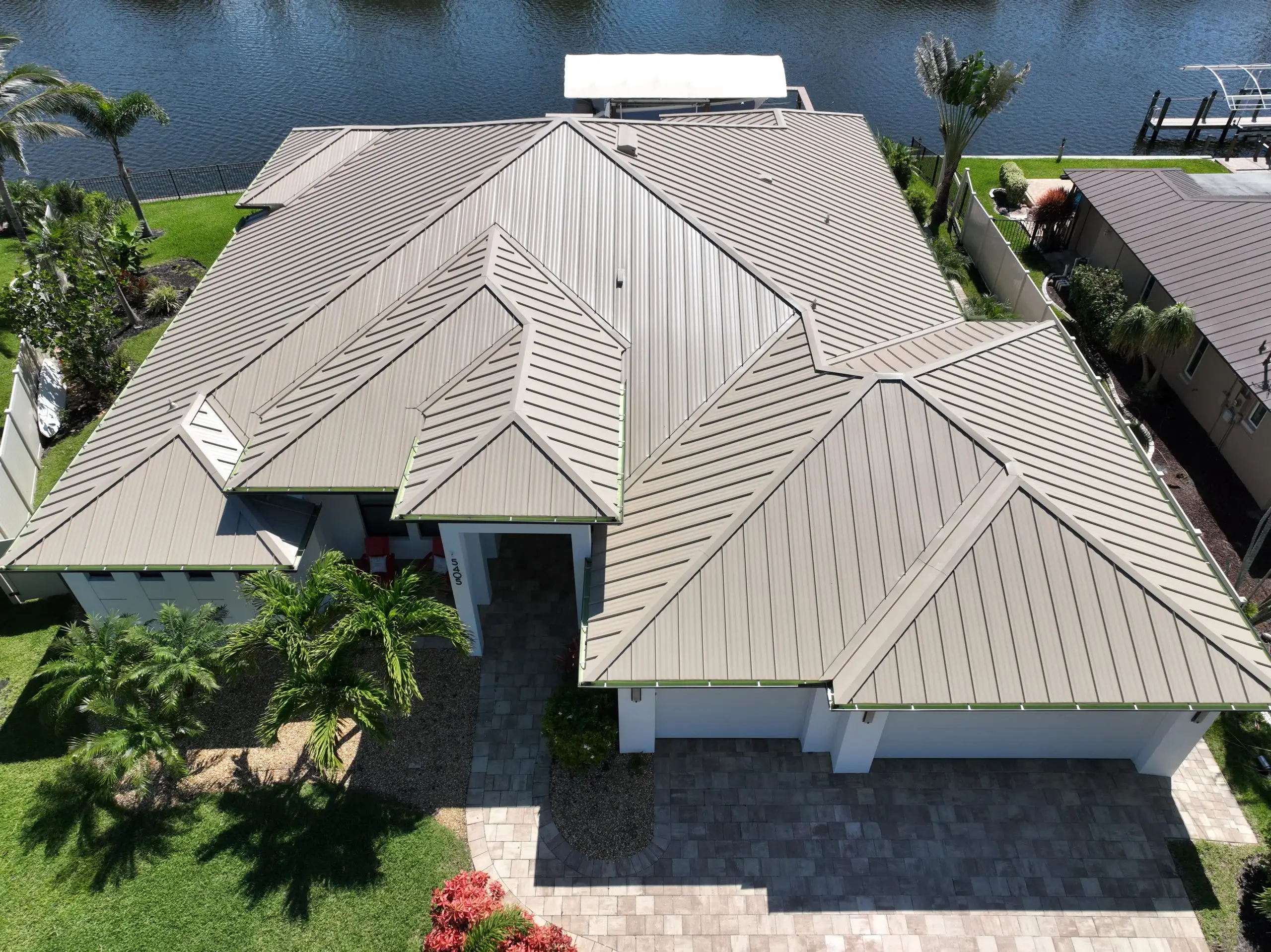
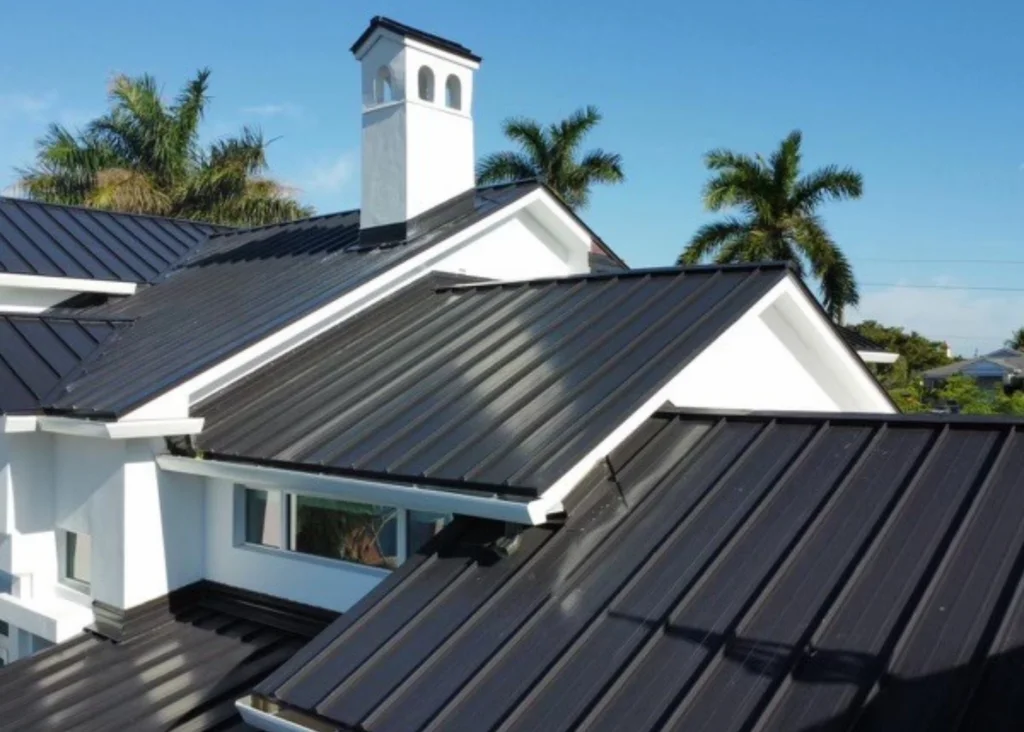
- Standing seam: Clean, contemporary vertical lines
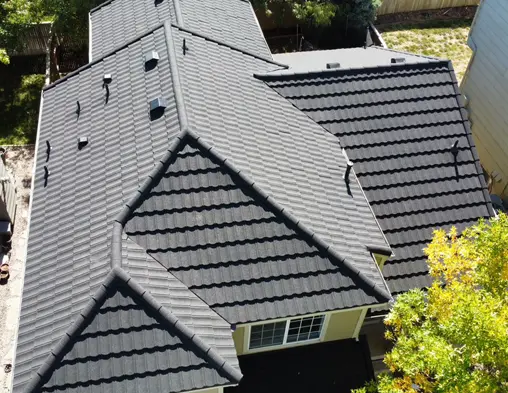
- Metal shingles: Replicate asphalt shingle appearance
- Metal tiles: Spanish tile aesthetic without the weight
- Metal shake: Wood shake look with metal performance
- Stone-coated steel: Textured finish resembling tile or shingle
Color Options
Modern paint systems offer extensive choices:
- Earth tones: Browns, tans, terracotta
- Traditional colors: Black, charcoal, slate gray
- Blues and greens: From subtle to bold
- Reds and coppers: Classic looks
- Custom matching: Special orders for specific colors
Architectural Versatility
Metal roofing suits every home style:
- Contemporary: Standing seam in charcoal or silver
- Mediterranean: Metal tiles in terracotta or sand
- Coastal: Light colors in standing seam or ribbed panels
- Traditional: Stone-coated steel resembling dimensional shingles
- Craftsman: Metal shake in natural wood tones
Myth #10: Metal Roofs Are Difficult to Repair
The Myth: If something does go wrong with a metal roof, repairs are complicated and expensive.
The Reality: Metal roof repairs are straightforward for experienced contractors.
Common Repairs
Typical metal roof repairs include:
- Sealant replacement: Around penetrations and seams
- Fastener tightening: For exposed fastener systems
- Panel replacement: Individual panels can be swapped if damaged
- Flashing repairs: Same as any roofing system
Repair Considerations
Metal roof repairs have some advantages:
- Damage is rare: Fewer repairs needed overall
- Repairs are durable: When done properly, they last
- Matching is easier: Metal colors and profiles are standardized
- No granule matching: Unlike shingles where age shows in patches
For repairs and maintenance, contact a qualified roofing contractor.
The Bottom Line on Metal Roofing
Every one of these common myths fails to stand up to scrutiny. Modern metal roofing is:
- Quiet: When properly installed over solid decking
- Safe from lightning: No increased risk, better fire protection
- Corrosion-resistant: Decades of protection with proper coating systems
- Durable: Resists denting better than many alternatives
- Energy-efficient: Reduces cooling costs significantly
- Cost-effective: Better lifetime value than most alternatives
- Signal-friendly: No meaningful impact on wireless communications
- Walkable: When necessary, with proper precautions
- Beautiful: Available in styles for any home design
- Easy to maintain: Simple, infrequent repairs when needed
Metal roofing has earned its growing popularity among Florida homeowners. It offers the best combination of durability, efficiency, and hurricane resistance available in any roofing material.
If you've been hesitant about metal roofing because of any of these myths, we hope this article has helped set the record straight. At Pro Specialty Services, we're happy to answer any questions about metal roofing and help you determine if it's the right choice for your home. Contact us for a free consultation and see the facts for yourself.
Caleb Hutchinson
Owner, Pro Specialty Services
"I've been installing metal roofs in Florida for over 20 years, and I still hear these same myths from homeowners regularly. Every time, I'm able to show them homes we did 15-20 years ago that still look fantastic with zero rust and owners who love how quiet they are in the rain. The proof is in the performance. Once people see the reality, the myths disappear."