Table of Contents
Cedar shake roofing has been protecting homes for centuries. The natural beauty, distinctive texture, and proven durability make cedar a premium roofing choice. But 'how long will it last?' is the question every homeowner asks before making this significant investment. The answer depends heavily on where you live, how you maintain it, and the quality of materials and installation.
Cedar Shake Lifespan: The Ranges
Let's establish realistic expectations:
In Ideal Conditions (Dry Climates)
- Premium cedar shakes: 40-50 years
- Standard cedar shakes: 30-40 years
- Cedar shingles: 25-35 years
In Challenging Conditions (Humid Climates Like Florida)
- Premium cedar shakes with excellent maintenance: 25-35 years
- Standard cedar shakes with regular maintenance: 20-30 years
- Cedar with minimal maintenance: 15-20 years
Why Such a Wide Range?
Cedar roof longevity varies dramatically based on:
- Climate and weather exposure
- Maintenance practices
- Wood quality and grade
- Installation quality
- Preservative treatment frequency
- Roof pitch and design
Understanding Cedar Types and Grades
Not all cedar is equal—quality dramatically affects lifespan:
Wood Species
Western Red Cedar:
- Most common for roofing
- Natural oils provide rot resistance
- Available in shakes and shingles
- Premium grades last longest
Alaskan Yellow Cedar:
- Denser than western red cedar
- Even more decay resistant
- Less common, more expensive
- Excellent for demanding climates
Grades and Types
Cedar Shakes:
- Hand-split or taper-sawn
- Thicker, more rustic appearance
- Better durability than shingles
- #1 Grade (Blue Label): Premium, longest life
- #2 Grade: Good quality, shorter lifespan
Cedar Shingles:
- Machine-sawn, uniform thickness
- Smoother appearance
- #1 Blue Label: Premium grade
- #2 Red Label: Character grade
Learn about wood shake roofing options.
Florida's Impact on Cedar Life
Our climate presents specific challenges:
Humidity Effects
Florida's humidity is the primary enemy of cedar:
- Moisture absorption: Wood swells and contracts constantly
- Extended drying time: Shakes don't fully dry between rains
- Fungal growth: Perfect conditions for decay organisms
- Accelerated rot: Wood breaks down faster than in dry climates
In regions like Colorado or California, cedar might see 15-20% moisture content. In Florida, it's often 25-35% or higher. This sustained moisture dramatically accelerates deterioration.
UV Exposure
Florida sun is relentless:
- Natural oil depletion: UV breaks down cedar's protective oils
- Surface degradation: Wood fibers break down and erode
- Color fading: Beautiful natural color grays rapidly
- Checking and splitting: Dried wood cracks without treatment
Storm Exposure
Hurricanes and tropical weather add stress:
- Wind damage: Can lift or remove weakened shakes
- Debris impact: Falling branches crack shakes
- Driving rain: Forces water under overlaps
- Salt air (coastal): Accelerates deterioration
Factors That Maximize Cedar Lifespan
These practices add years to your roof:
Quality Materials
Starting with the best materials matters:
- #1 Grade cedar: Worth the premium for longevity
- Thick shakes: More material means longer life
- Tight grain: Indicates slower-growing, denser wood
- Certified sources: CSSB or similar certification
Professional Installation
Proper installation extends life significantly:
- Correct exposure: Not over-exposing shakes to weather
- Proper spacing: Allows for expansion without buckling
- Quality underlayment: Breathable but water-resistant
- Adequate fastening: Correct nail placement and type
- Flashing details: Properly installed at all transitions
Regular Maintenance
The biggest factor in Florida cedar life:
Annual Tasks:
- Professional inspection
- Debris removal
- Gutter cleaning
- Minor repair completion
Every 3-5 Years:
- Professional cleaning (soft wash)
- Preservative treatment application
- Comprehensive assessment
See our complete wood shake maintenance guide.
Preservative Treatments
Essential for Florida cedar roofs:
- Penetrating oil preservatives: Replenish natural oils
- Fungicides: Prevent rot and decay
- UV blockers: Protect against sun damage
- Water repellents: Reduce moisture absorption
In Florida, treatment every 3-5 years is critical. This isn't optional—it's the difference between a 20-year roof and a 30-year roof.
Roof Design Features
How your roof is built affects cedar life:
Beneficial Features:
- Steeper pitch (better water shedding)
- Adequate overhang (protects walls and edges)
- Proper ventilation (reduces moisture buildup)
- Minimal valleys (reduces debris accumulation)
Challenging Features:
- Low slope (water sits longer)
- Complex design (more vulnerable points)
- Many penetrations (flashing challenges)
- North-facing aspects (less sun, more moisture)
Signs Your Cedar Roof Is Aging
Watch for these indicators of declining condition:
Early Warning Signs (Action Required)
- Color becoming heavily weathered
- Some checking and splitting visible
- Moss or algae beginning to grow
- Individual shakes curling at edges
Response: Schedule inspection, plan treatment, address repairs
Moderate Concerns (Significant Repair Needed)
- Multiple cracked or split shakes
- Visible rot in some areas
- Widespread moss/algae growth
- Shakes becoming thin from erosion
- Some leaks occurring
Response: Professional assessment, likely major repairs needed
End of Life Indicators (Replacement Time)
- Widespread rot throughout
- Many missing or broken shakes
- Chronic leak problems
- Shakes crumble when touched
- Wood extremely thin or eroded
Response: Plan for replacement; repairs no longer cost-effective
Cost of Ownership Over Time
Understanding total investment helps planning:
Initial Investment
For a 2,000 sq ft roof:
- Material and installation: $20,000-$35,000
- Premium grades on higher end
Ongoing Maintenance Costs
Per treatment/maintenance cycle:
- Cleaning and inspection: $500-$1,000
- Preservative treatment: $1,000-$2,500
- Minor repairs: $200-$800
- Total per cycle: $1,700-$4,300
25-Year Total Cost Example
With proper maintenance:
- Initial: $27,000
- 5 maintenance cycles: $15,000
- Major repairs: $3,000
- Total: $45,000
- Cost per year: $1,800
Without proper maintenance:
- Initial: $25,000
- Minimal maintenance: $2,000
- Early replacement at year 15: $30,000
- Total through year 25: $57,000
- Cost per year: $2,280
Proper maintenance actually saves money while extending life.
Comparing Cedar to Alternatives
How does cedar stack up against other options?
Cedar vs. Asphalt Shingles
Cedar:
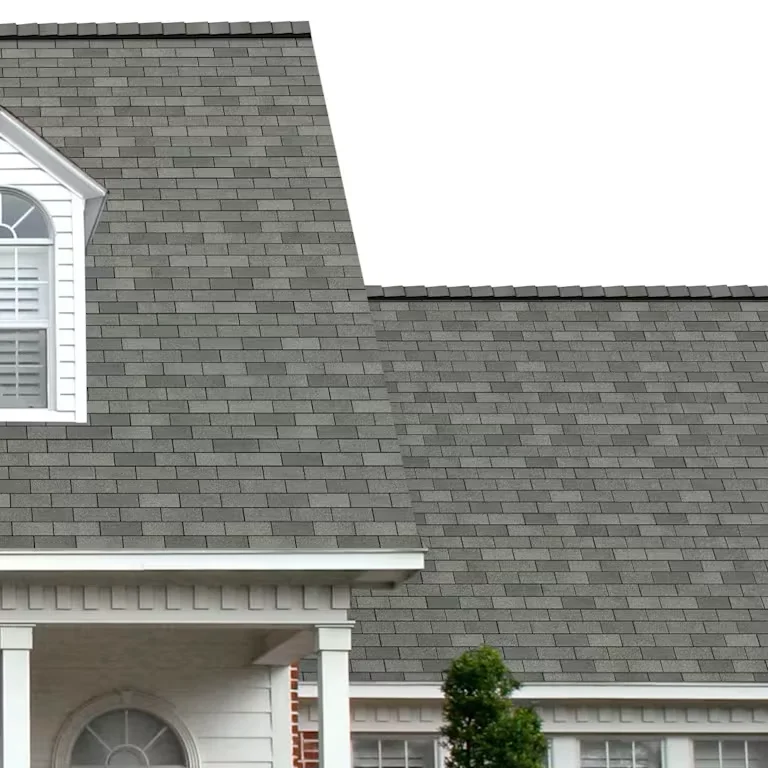
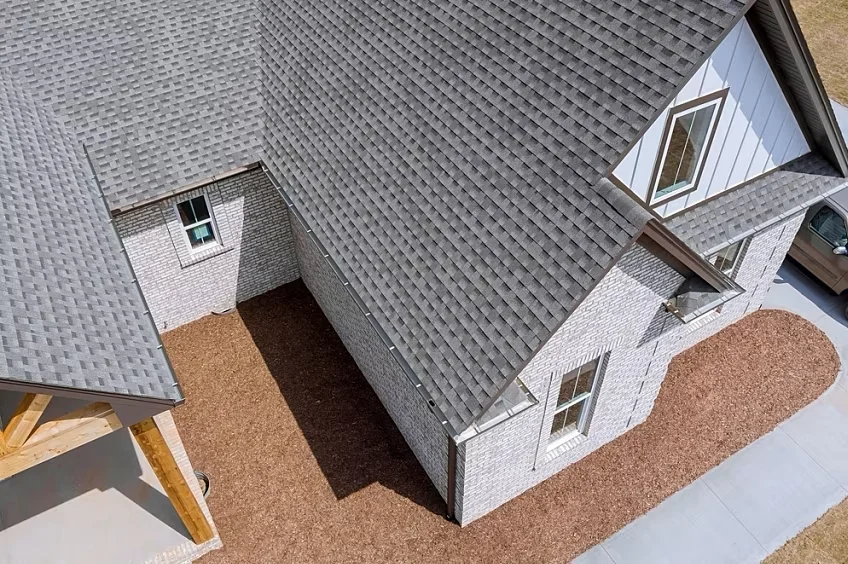
- Higher initial cost (2-3x more)
- Requires regular maintenance
- Lasts longer with care (25-30 vs 20-25 years)
- Distinctive natural appearance
- Better insulation value
Bottom Line: Cedar costs more but offers unique beauty and can last longer with proper care.
Cedar vs. Synthetic Shake
Cedar:
- Authentic natural appearance
- Requires maintenance
- 25-30 years with care
Synthetic:
- Very good appearance, not quite natural
- Minimal maintenance
- 40-50 year warranties
- Similar or lower cost
Bottom Line: Synthetic offers easier ownership; cedar offers authenticity.
Cedar vs. Metal
Cedar:
- Natural beauty
- Moderate lifespan in Florida
- Ongoing maintenance required
Metal:
- Modern or traditional styles available
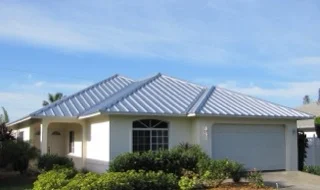
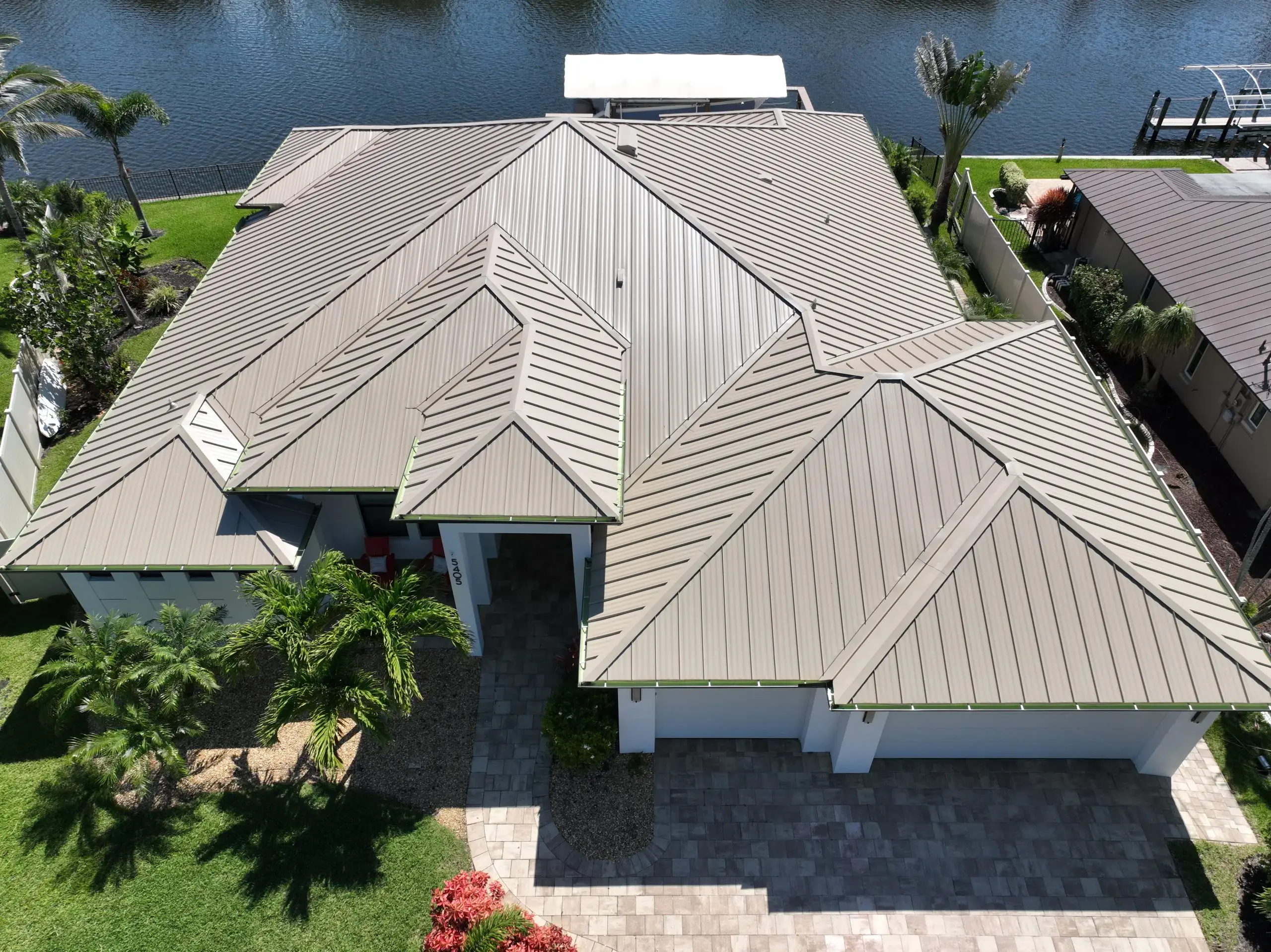
- 40-60 year lifespan
- Minimal maintenance
- Better hurricane resistance
Bottom Line: Metal offers longer life and easier care; cedar offers natural aesthetics.
Should You Choose Cedar in Florida?
Honest assessment of who should consider cedar:
Cedar Is a Good Choice If:
- You value natural beauty above all
- You're committed to regular maintenance
- You can budget for treatments every 3-5 years
- Your home design specifically calls for cedar
- You enjoy being involved with your home's upkeep
- Historic accuracy requires wood roofing
Consider Alternatives If:
- You want low-maintenance ownership
- Budget is a primary concern
- You're not willing to commit to regular treatment
- Maximum lifespan is your goal
- Hurricane resistance is paramount
- You may sell the home (some buyers hesitant about wood roofs)
Extending Your Existing Cedar Roof's Life
If you already have cedar, maximize its remaining years:
Immediate Actions
- Schedule professional inspection
- Get current condition assessment
- Address any needed repairs
- Plan treatment if overdue
Long-Term Strategy
- Commit to maintenance schedule
- Budget for regular treatments
- Address problems promptly
- Monitor condition changes
When to Let Go
- Repairs exceed 30% of replacement cost
- Widespread rot discovered
- Multiple leak sources
- Deck damage from moisture
Schedule a roof inspection to assess your cedar roof's condition.
The Bottom Line
Cedar shake roofs can provide decades of beautiful protection for Florida homes, but only with commitment to proper maintenance. In our humid climate, expect 20-30 years with dedicated care—less than the 40-50 years possible in dry regions, but still excellent value for the natural beauty cedar provides.
The key question isn't 'how long will it last?' but 'am I willing to do what it takes to make it last?' If you love the look of cedar and will maintain it properly, a cedar shake roof is a rewarding choice. If maintenance isn't your thing, the many synthetic alternatives available today provide similar aesthetics with far less upkeep.
At Pro Specialty Services, we install and maintain cedar shake roofs throughout Lake County. We'll give you an honest assessment of whether cedar makes sense for your home, your lifestyle, and your budget. Whether you're considering a new cedar roof or want to maximize the life of an existing one, contact us to discuss your options.
Caleb Hutchinson
Owner, Pro Specialty Services
"Cedar is one of those materials that can be amazing or a nightmare depending on how it's treated. I've torn off 12-year-old cedar roofs that were completely rotted because no one ever treated them. And I've inspected 35-year-old cedar roofs that still had years left because the owners stayed on top of maintenance. Florida isn't the ideal climate for cedar, but if you love it and maintain it, it can work beautifully."