Table of Contents
Florida's intense sun, heavy rainfall, and high humidity create one of the most challenging environments for roofing materials in the entire country. While many homeowners assume a worn roof means automatic replacement, there's often a smarter, more cost-effective solution: roof coating. This protective layer can extend your roof's life by 10-20 years while providing benefits that go far beyond simple waterproofing.
What Is Roof Coating?
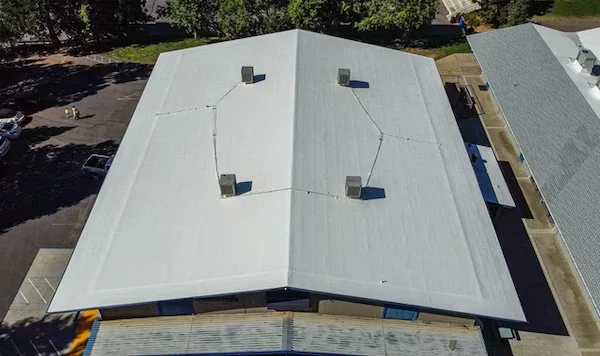
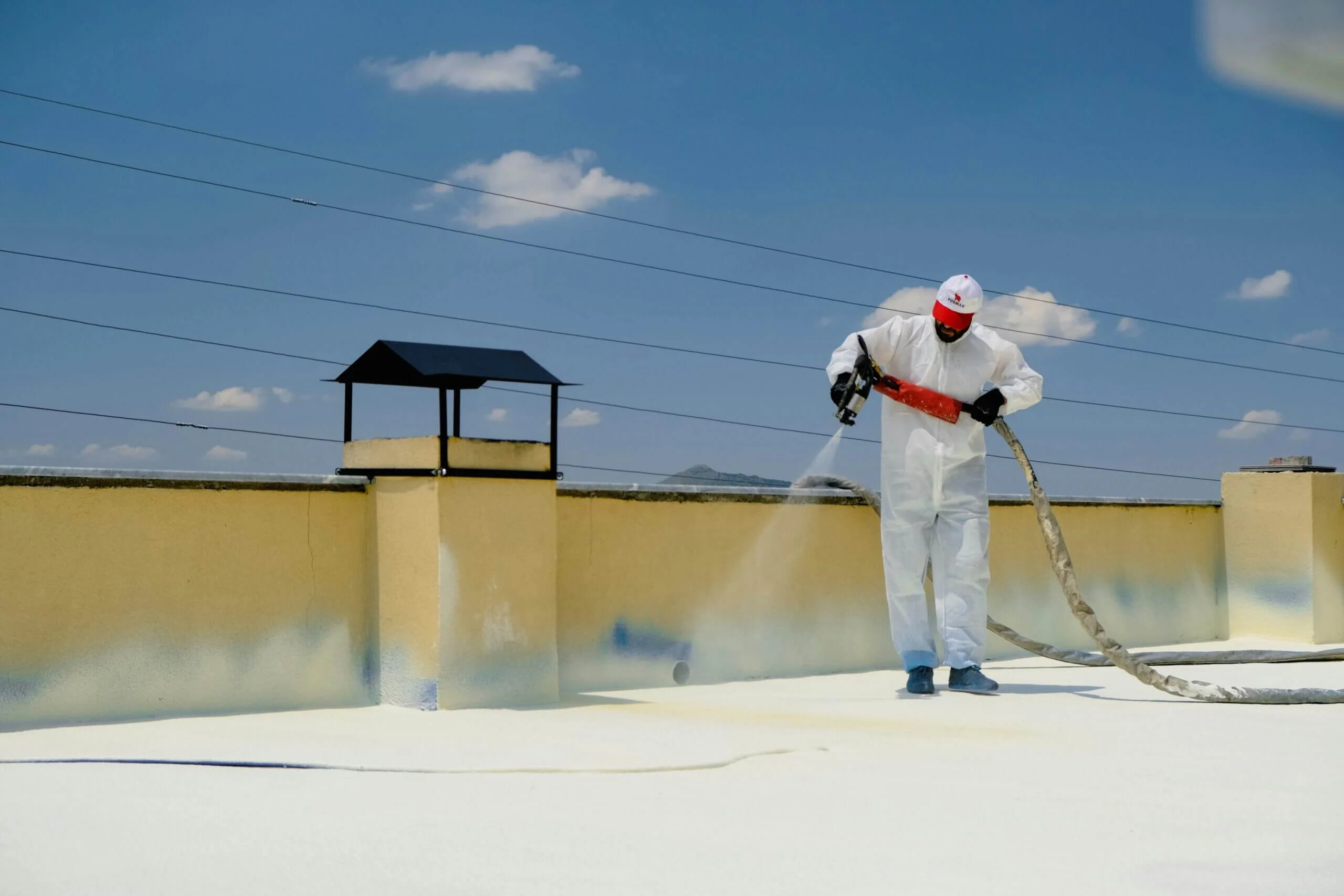
Roof coating is a liquid-applied membrane that cures to form a seamless, protective barrier over your existing roof. Unlike traditional roofing materials that come in shingles, tiles, or panels, coatings are applied like thick paint and create a monolithic surface without seams, joints, or fastener penetrations where leaks typically occur.
Modern roof coatings are engineered polymers—silicone, acrylic, polyurethane, or elastomeric formulations—designed to withstand the specific challenges of your climate and roof type. For Florida homes, coatings must resist intense UV radiation, handle thermal expansion and contraction, and provide waterproofing during our torrential summer rains.
Extended Roof Lifespan
The most significant benefit of roof coating is the dramatic extension of your existing roof's service life. A properly applied coating can add 10-20 years to an aging roof that might otherwise need replacement.
How Coatings Extend Roof Life
Coatings protect your roof in multiple ways:
- UV protection: Florida's intense sunlight breaks down roofing materials at the molecular level. Coatings contain UV stabilizers that absorb and reflect harmful radiation, preventing the underlying roof from degrading.
- Waterproofing: The seamless membrane eliminates leak paths at seams, fasteners, and flashings—the most common failure points on any roof.
- Thermal protection: By reflecting solar heat, coatings reduce the temperature cycling that causes materials to expand, contract, and eventually crack.
- Chemical resistance: Coatings protect against acid rain, pollutants, and salt air (especially important in coastal Lake County communities).
Real-World Results
We've coated hundreds of roofs throughout Lake County that were showing their age—fading, minor leaks, worn surfaces—but were structurally sound. These roofs are now performing like new and will continue protecting homes for another decade or two. The alternative? Spending three to four times as much on complete replacement.
Significant Energy Savings
In Florida's climate, energy efficiency isn't just about comfort—it's about keeping your electric bill manageable during the six months of air conditioning season. Roof coatings can make a substantial difference.
The Science of Cool Roofing
Traditional dark roofing materials absorb 85-95% of solar radiation, heating your roof to temperatures exceeding 150°F on summer days. That heat transfers through the roof deck and into your attic, raising attic temperatures to 140-160°F. From there, it radiates into your living space, forcing your air conditioner to work overtime.
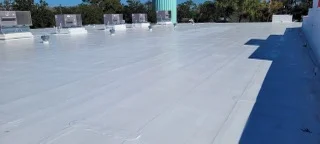
Reflective roof coatings flip this equation. White and light-colored coatings can reflect 80-90% of solar radiation, keeping roof surface temperatures within 10-15°F of ambient air temperature. The result is dramatically cooler attics and less work for your HVAC system.
Measurable Savings
Homeowners who apply reflective coatings typically see:
- 10-30% reduction in cooling costs during peak summer months
- Lower peak demand charges for those on time-of-use electric rates
- Extended HVAC equipment life due to reduced runtime
- Improved indoor comfort, especially in upper floors
For an average Lake County home spending $250-400/month on electricity during summer, a reflective coating can save $500-1,200 annually. Over the 15-20 year life of the coating, that's $7,500-24,000 in energy savings alone—often more than the cost of the coating application.
Cost-Effective Alternative to Replacement
Roof replacement in Florida typically costs $8,000-25,000 or more depending on size, materials, and complexity. Roof coating, by comparison, typically runs $3,000-7,500 for the same roof—roughly 25-40% of replacement cost.
When Coating Makes Financial Sense
Coating is the smart financial choice when:
- Your roof is more than halfway through its expected lifespan but structurally sound
- You have minor leaks from seams, fasteners, or flashings rather than major structural damage
- You plan to own the property for 5-15 more years
- Budget constraints make full replacement difficult right now
- You want to defer replacement until you're ready for a major material upgrade
The Math on Return
Consider this comparison for a typical 1,500 sq ft roof:
Coating Option:
- Cost: $4,500
- Added lifespan: 15 years
- Energy savings: $12,000 over 15 years
- Net cost: Actually saves money
Replacement Option:
- Cost: $15,000
- Lifespan: 25 years
- Energy savings (if upgrading to reflective): $20,000 over 25 years
- Net cost: Approximately break-even, but higher upfront investment
For many homeowners, coating now and replacing in 15 years when materials and technology have improved makes more financial sense than replacing immediately.
Seamless Waterproofing Protection
Every roof has vulnerable points: seams where materials overlap, fastener penetrations, flashing transitions at walls and chimneys, and edges where wind-driven rain can infiltrate. These are exactly where most leaks develop.
Eliminating Leak Points
Roof coating creates a continuous, seamless membrane over your entire roof surface. It:
- Bridges seams and overlaps where water typically enters
- Encapsulates fasteners that can back out or corrode over time
- Seals flashings that may have separated or deteriorated
- Fills minor cracks and gaps that have developed in the substrate
Unlike repair patches that address one problem at a time, coating provides comprehensive waterproofing in a single application.
Florida Rain Protection
Lake County receives 50+ inches of rainfall annually, much of it in intense summer thunderstorms that can dump 2-3 inches in an hour. Traditional roofing materials—especially those showing age—often can't handle this volume without some water finding a path inside.
Silicone coatings, in particular, excel in Florida conditions. They're hydrophobic (water-repellent), meaning water sheets off rather than soaking in. Even flat roofs with some ponding water are protected, as silicone doesn't break down when submerged.
Protection Against Florida's Climate Challenges
Florida throws everything at your roof: UV radiation, heat, humidity, torrential rain, salt air, and hurricanes. Roof coatings are specifically engineered to handle these challenges.
UV Resistance
Florida receives more UV radiation than almost any other state. This radiation breaks down the organic compounds in asphalt shingles, causing them to become brittle and crack. It fades and degrades metal finishes. It accelerates the aging of virtually every roofing material.
Modern roof coatings contain UV stabilizers that absorb harmful radiation before it can damage the underlying roof. Silicone coatings, in particular, have excellent UV resistance and maintain their properties even after years of intense sun exposure.
Hurricane and Storm Resistance
While coatings aren't a hurricane-proofing solution, they do contribute to storm resistance in several ways:
- Improved adhesion: Coatings help bond roofing materials together and to the substrate
- Sealed fasteners: Encapsulated fasteners are less likely to back out in high winds
- Flexible membrane: Elastomeric coatings stretch with building movement rather than cracking
- Water resistance: Even if minor damage occurs, the coating limits water infiltration until repairs can be made
After storms, we often see coated roofs outperform uncoated roofs of similar age and condition.
Mold and Mildew Resistance
Florida's humidity promotes mold and mildew growth on almost any surface, including roofs. Quality roof coatings contain mildewcides that inhibit biological growth, keeping your roof cleaner and preventing the black streaking that affects so many Florida homes.
Environmental Benefits
Roof coating is one of the most environmentally responsible roofing choices you can make.
Reduced Landfill Waste
Every year, millions of tons of roofing materials end up in landfills. Asphalt shingles alone account for a significant percentage of construction waste. When you coat rather than replace, you keep existing materials out of the waste stream and extend the usefulness of resources already invested in your roof.
Lower Carbon Footprint
Manufacturing new roofing materials is energy-intensive. Mining raw materials, processing them, and transporting finished products all generate carbon emissions. Coating uses a fraction of the materials and energy of replacement, significantly reducing your project's environmental impact.
Cool Roof Benefits
Reflective coatings don't just save you money—they reduce the urban heat island effect that makes Florida cities even hotter. When millions of roofs reflect solar energy rather than absorbing it, the cumulative effect on local temperatures is measurable.
Minimal Installation Disruption
Roof replacement is a major project. It involves tearing off existing materials (creating noise, dust, and debris), replacing decking, installing new materials over multiple days, and disposing of old materials. Your home is essentially a construction site.
The Coating Advantage
Roof coating installation is dramatically less disruptive:
- No tear-off: Existing materials stay in place
- Minimal debris: No dumpsters, no roofing materials scattered around your yard
- Faster completion: Most residential coatings complete in 1-2 days
- Lower noise levels: Spray or roller application instead of nail guns and tearing
- Immediate protection: Coating begins protecting as soon as it cures
For families, businesses, or anyone who needs their property functional during the project, coating's minimal disruption is a significant advantage.
Best Candidates for Roof Coating
While coating offers tremendous benefits, it's not right for every situation. Ideal candidates include:
Flat and Low-Slope Roofs
Flat roofs—common on Florida commercial buildings, home additions, and carports—are excellent coating candidates. Materials like modified bitumen, built-up roofing, TPO, and EPDM respond well to coating and can gain significant lifespan.
Metal Roofs
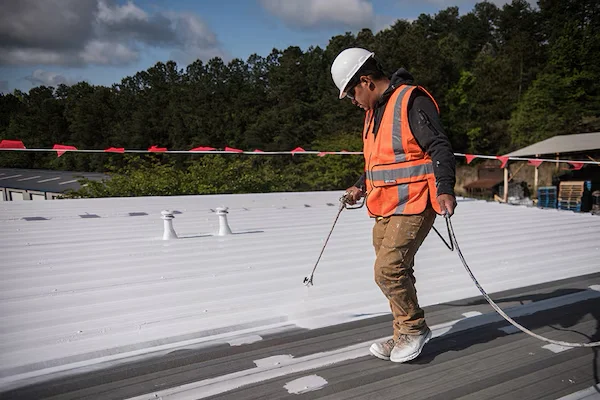
Metal roofs, whether standing seam or exposed fastener, benefit enormously from coating. Coatings address rust, seal fasteners, improve energy efficiency, and eliminate the need for costly metal roof replacement.
Aging but Sound Roofs
If your roof is showing its age (fading, minor leaks, worn appearance) but the underlying structure and decking are sound, coating makes sense. Our roof inspection can determine if your roof is a good candidate.
Single-Ply Membranes
TPO, PVC, and EPDM membrane roofs can be coated to extend their life, improve appearance, and enhance waterproofing. This is often more cost-effective than membrane replacement.
When Replacement Is Better
Coating isn't always the answer. Consider roof restoration or replacement instead when:
- Structural damage exists: Rotted decking, damaged trusses, or sagging areas require replacement, not coating
- Multiple layers already installed: Adding coating to a roof that already has multiple layers may exceed weight limits
- Extensive water damage: If insulation is saturated or extensive mold exists, you need to address underlying issues
- Major ponding water: Coating over severe ponding can work with silicone, but addressing drainage may be better long-term
- You want different materials: If you're upgrading from shingles to tile or metal, replacement is the only option
The Bottom Line on Roof Coating Benefits
For Florida homeowners with aging but structurally sound roofs, coating offers a compelling combination of benefits: extended roof life, significant energy savings, seamless waterproofing, environmental responsibility, and minimal installation disruption—all at a fraction of replacement cost.
The key is honest assessment. Is your roof a good coating candidate, or does it need more extensive work? At Pro Specialty Services, we provide free roof inspections to evaluate your roof's condition and recommend the most cost-effective solution. If coating makes sense, we'll tell you. If replacement is the better choice, we'll tell you that too.
Contact us today to schedule your free roof inspection and find out if coating is right for your Florida home.
For more information on extending your roof's life, check out our guides on energy-efficient roofing, annual roof maintenance, and when to replace your roof. For mobile home owners, see our mobile home roofing options guide.
Caleb Hutchinson
Owner, Pro Specialty Services
"I've coated hundreds of Florida roofs over the years, and the results speak for themselves. Homeowners who were ready to spend $15,000-20,000 on replacement instead invest $4,000-6,000 in coating and get another 15+ years from their existing roof. The math is simple, but you need an honest assessment of whether your roof is a good candidate. That's what we provide."