Table of Contents
Florida's seasons are subtle compared to northern states, but they still affect when and how you should approach home repairs. Understanding seasonal patterns helps you tackle projects at the right time—when weather cooperates, contractors are available, and problems are easiest to address.
Florida's Seasonal Patterns
While we don't have dramatic temperature swings, Florida does have distinct seasons.
Dry Season (November - May):
- Lower humidity
- Less rainfall
- Cooler temperatures (December - February)
- Ideal for exterior work
Wet Season (June - October):
- Daily afternoon thunderstorms
- High humidity
- Hurricane season (June - November)
- Challenging for exterior projects
Planning repairs around these patterns improves outcomes and reduces costs.
Winter Repairs (December - February)
Florida's mild winter is prime time for exterior work.
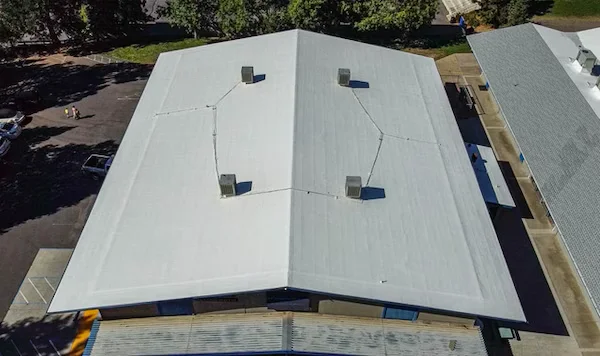
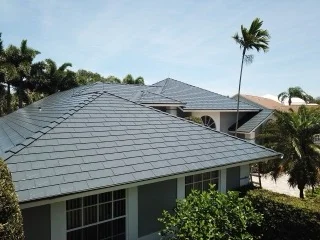
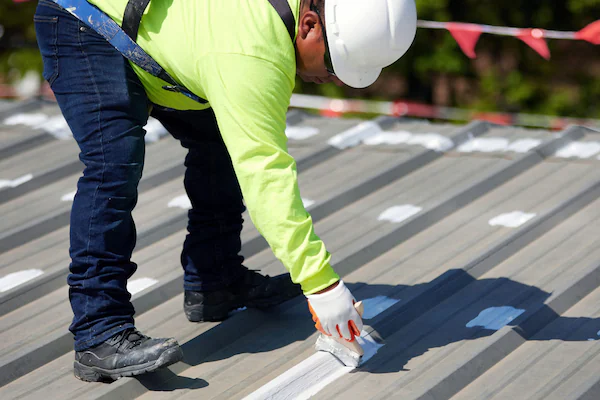
Roof Repairs
Winter is ideal for roof work:
- Dry conditions for proper sealing
- Cooler temperatures for shingle installation
- No afternoon storms interrupting work
- Pre-hurricane season timing
Priority repairs:
- Missing or damaged shingles
- Flashing repairs
- Vent boot replacement
- Minor leak repairs
Exterior Painting
Optimal painting conditions:
- Low humidity for proper curing
- Moderate temperatures (ideal: 50-85°F)
- Less rain to interrupt projects
- Faster drying times
Good winter painting projects:
- Full exterior repainting
- Trim and detail work
- Door and window painting
- Deck and fence refinishing
Concrete and Hardscape
Winter conditions favor concrete work:
- Less rain during curing
- Moderate temperatures for proper setting
- Longer working time before afternoon heat
Winter concrete projects:
- Driveway repair or replacement
- Walkway installation
- Patio pouring
- Pool deck repair
Siding and Trim Repairs
Address exterior damage:
- Replace rotted trim boards
- Repair or replace damaged siding
- Caulk gaps and joints
- Seal penetrations
Spring Repairs (March - May)
Critical pre-storm season preparation time.
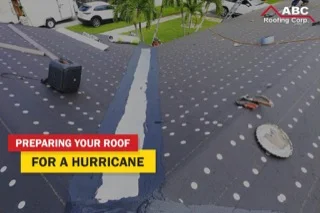
Hurricane Preparation Repairs
Complete before June 1 storm season start:
- Repair or replace storm shutters
- Fix damaged impact windows
- Strengthen garage doors
- Repair roof vulnerabilities
- Secure loose exterior elements
Don't delay these repairs—contractor availability drops once storms are forecast.
Gutter System Repairs
Prepare for summer rains:
- Repair or replace damaged sections
- Ensure proper slope for drainage
- Clear and repair downspouts
- Add splash blocks or extensions
- Install gutter guards if desired
Functional gutters are critical for summer storm management.
Window and Door Repairs
Spring is ideal for window work:
- Replace failed seals
- Repair damaged frames
- Replace broken glass
- Adjust or repair hardware
- Upgrade to impact windows before storm season
Attic and Insulation Repairs
Last chance before summer heat:
- Add or replace insulation
- Install or repair radiant barrier
- Seal air leaks
- Address ventilation issues
- Check for pest damage
Attic work is miserable once summer arrives.
Tree and Landscape Work
Before hurricane season:
- Trim branches near structures
- Remove dead or weak trees
- Thin dense canopies
- Secure outdoor structures
Summer Repairs (June - August)
Limited exterior work; focus on interior and emergency repairs.
Interior Projects
Summer is perfect for indoor work:
- Drywall repairs
- Interior painting
- Flooring installation
- Cabinet and trim work
- Bathroom updates
Stay cool inside while rain falls outside.
HVAC Repairs
Keep cooling system running:
- Address strange noises promptly
- Fix refrigerant leaks
- Repair duct issues
- Replace failing capacitors
- Clean clogged drain lines
Don't ignore AC problems in Florida summer—repairs become emergencies quickly.
Plumbing Repairs
Indoor plumbing work anytime:
- Fix leaking faucets and toilets
- Repair drain issues
- Replace failing water heater
- Address water pressure problems
Emergency Storm Repairs
After storms, prioritize:
- Temporary roof protection
- Window and door boarding
- Water extraction and drying
- Tree and debris removal
- Generator-powered essential repairs
Screen Repairs
Summer screen damage is common:
- Patch or replace damaged screens
- Repair screen enclosure frames
- Replace worn screen door tracks
- Fix pool cage damage after storms
Fall Repairs (September - November)
Transition back to exterior work as wet season ends.
Post-Hurricane Season Assessment
Evaluate storm season impact:
- Professional roof inspection
- Check all exterior for damage
- Assess landscaping condition
- Document any deterioration
- Plan necessary repairs
Deck and Patio Repairs
Good conditions for outdoor structure work:
- Replace rotted boards
- Refinish wood surfaces
- Repair railings and stairs
- Re-level settled pavers
- Seal concrete surfaces
Exterior Sealant and Caulking
Critical moisture protection:
- Recaulk around windows and doors
- Seal siding joints
- Fill gaps at penetrations
- Repair expansion joint sealant
Fall's moderate conditions help sealants cure properly.
Foundation and Drainage Repairs
Address water management before winter rains:
- Repair cracks in foundation
- Improve grading away from house
- Install French drains if needed
- Clear and repair swales
- Extend downspout drainage
Exterior Lighting Repairs
Prepare for early darkness:
- Replace burned out bulbs
- Fix damaged fixtures
- Update to LED for efficiency
- Repair landscape lighting
- Test security lighting
Repair Priority Guidelines
Not all repairs need immediate attention. Prioritize based on risk.
Emergency (Immediate)
Safety hazards and active damage:
- Active roof leaks
- Electrical hazards
- Gas leaks
- Structural concerns
- Water intrusion
- Security breaches (broken windows/doors)
Urgent (Within Weeks)
Will cause damage if not addressed:
- Minor roof damage before rain
- Gutter problems
- Window seal failures
- Small plumbing leaks
- HVAC performance issues
Planned (Schedule When Convenient)
Maintenance and improvements:
- Cosmetic repairs
- Upgrades and improvements
- Non-critical maintenance
- Efficiency improvements
Working with Contractors Seasonally
Timing affects contractor availability and pricing.
Peak demand (hardest to schedule):
- Post-storm periods
- Pre-hurricane season (May-June)
- Winter season (snowbird population surge)
Better availability:
- Late fall (post-storm season)
- Early spring (before storm prep rush)
- Mid-summer (for interior work)
Pricing considerations:
- Emergency work costs more
- Off-season scheduling may offer discounts
- Booking in advance secures better rates
Building Your Repair Calendar
Create a seasonal repair plan:
Winter (December - February):
- Major exterior projects
- Roof work
- Painting
- Concrete work
Spring (March - May):
- Storm preparation
- Gutter work
- Window/door repairs
- Attic work
Summer (June - August):
- Interior projects
- HVAC maintenance
- Emergency storm repairs
- Screen repairs
Fall (September - November):
- Post-storm assessment
- Deck/patio repairs
- Sealing and caulking
- Drainage improvements
Pro Specialty Services provides year-round repair services and roof repairs throughout Lake County. We help homeowners plan and execute seasonal repairs to protect their homes from Florida's demanding climate.
Caleb Hutchinson
Owner, Pro Specialty Services
"Timing matters for repairs in Florida. I always tell homeowners: get your roof checked and any repairs done before June. Once hurricane season starts, everyone's thinking about their roof, and it's harder to schedule work. The smart move is staying ahead of the season."