Table of Contents
Your roof is your home's first line of defense against Florida's harsh weather. But how do you know when it's time for a replacement rather than another repair? Here are seven warning signs that indicate your roof may have reached the end of its useful life.
1. Age of Your Roof
Most asphalt shingle roofs in Florida last 15-20 years, though some premium shingles can last up to 30 years. If your roof is approaching or has passed the 15-year mark, it's time to start planning for replacement—even if it looks okay from the ground.
Florida's intense UV exposure and hurricane seasons accelerate roof aging compared to cooler, calmer climates. A roof that might last 25 years up north may only get 18 years here.
2. Missing or Damaged Shingles
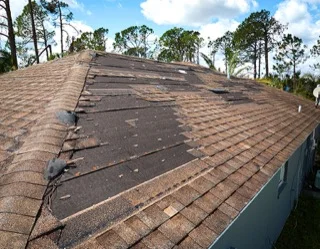
After storms, check your roof for missing shingles. While a few missing shingles can be repaired, widespread damage or repeated losses suggest the shingles have lost their grip and the roof needs replacement.
Look for shingles that are cracked, curled, or cupped—these are signs of advanced weathering that indicate the shingles are failing.
3. Granule Loss
Those colored granules on asphalt shingles protect against UV damage. When shingles age, granules fall off and accumulate in gutters. If you're finding significant granules in your gutters or seeing bare spots on shingles, the roof is losing its protective layer.
4. Sagging Roof Deck
A sagging roofline is a serious issue that indicates structural problems. This could mean water damage has compromised the roof deck, or the structure itself is failing. Don't wait on this one—sagging needs immediate professional evaluation.
5. Light in the Attic
If you can see daylight through your roof boards from inside the attic, water can get in too. While small gaps might be patched, significant light penetration usually means the roof deck has deteriorated and needs replacement.
6. Water Stains or Damage Inside
Water stains on ceilings or walls are obvious signs of roof leaks. If you're repeatedly patching leaks in different areas, the whole roof system may be failing rather than just a single spot.
Mold or mildew growth in the attic also indicates moisture intrusion that a deteriorating roof is allowing in.
7. High Energy Bills
A failing roof may not insulate properly. If your cooling bills have increased significantly and your HVAC system is working fine, poor roof insulation from damaged or missing underlayment could be the culprit.
What to Do Next
If you've noticed several of these signs, it's time for a professional roof inspection. A qualified roofing contractor can assess your roof's condition and give you an honest recommendation about whether repair or replacement makes more sense.
Don't wait until you have active leaks causing interior damage. Proactive replacement is almost always less expensive than emergency repair plus water damage restoration.
At Pro Specialty Services, we provide free, honest roof inspections. We'll tell you exactly what we see and give you realistic options—including when repairs can extend your roof's life versus when replacement is the smart investment.
Caleb Hutchinson
Owner, Pro Specialty Services
"I see a lot of homeowners wait too long before replacing their roof. By the time they call us, they've already got water damage inside. A proactive replacement at 18 years is almost always cheaper than an emergency replacement at 22 years plus fixing all the interior damage. When in doubt, get an inspection—it's free and gives you the information to plan."