Table of Contents
When it comes to attic exhaust ventilation, ridge vents and box vents are the two most common options for Florida homes. Both are passive systems (no electricity required), but they work differently and suit different situations. Here's a detailed comparison to help you choose.
Understanding the Options
What Are Ridge Vents?
Ridge vents are continuous ventilation systems installed along the peak of the roof.
How They Work:
- A slot is cut along the roof ridge (typically 1-2 inches from peak)
- A vent cap is installed over the slot
- Shingles cover the vent for a finished look
- Hot air exits continuously along the entire ridge length
- External baffles create negative pressure as wind passes over
What Are Box Vents?
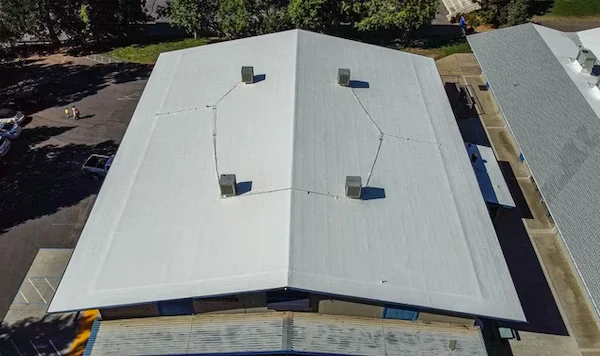
Box vents (also called static vents, louver vents, or roof vents) are individual units installed on the roof surface.
How They Work:
- Square or round openings cut in roof decking
- Box-shaped vent covers the opening
- Hot air exits through the vent openings
- Multiple units spaced across the roof
- Purely convection-driven (hot air rises out)
Quick Comparison Table
| Factor | Ridge Vents | Box Vents | Winner |
|---|---|---|---|
| Ventilation | Continuous, even airflow | Point-source, may leave gaps | Ridge |
| Aesthetics | Nearly invisible | Visible boxes on roof | Ridge |
| Hurricane Rating | Low profile, wind-resistant | Can be torn off in storms | Ridge |
| Cost (Materials) | $200–$600 total | $30–$75 each (need 8–12) | Tie |
| Installation | More complex (ridge cut) | Simpler per vent | Box |
| Best Roof Type | Gable roofs (long ridge) | Hip roofs (short ridge) | Depends |
| Maintenance | Virtually none | Occasional inspection | Tie |
Head-to-Head Comparison (Detailed)
Ventilation Effectiveness
Ridge Vents:
- Continuous airflow along entire ridge
- Even ventilation throughout attic
- No hot spots or dead zones
- Works with natural convection and wind
- Consistent performance in varying conditions
Box Vents:
- Point-source ventilation
- May leave gaps between vents
- Placement critical for even coverage
- Works with natural convection only
- Effective if properly sized and placed
Winner: Ridge vents provide more even, consistent ventilation across the entire attic space.
Aesthetics
Ridge Vents:
- Low profile, nearly invisible from ground
- Matches roofline seamlessly
- No protruding elements
- Preferred for curb appeal
Box Vents:
- Visible boxes on roof surface
- Multiple units can look cluttered
- More noticeable, especially on front-facing slopes
- Some homeowners and HOAs object
Winner: Ridge vents for cleaner appearance. Box vents are acceptable but visible.
Wind Resistance (Hurricane Performance)
Ridge Vents:
- Low profile resists wind damage
- Quality products rated for high winds
- Less likely to be torn off
- Fewer potential water entry points
Box Vents:
- Protruding profile more vulnerable
- Can be damaged or torn off in severe storms
- Each vent is a potential failure point
- May allow water intrusion if damaged
Winner: Ridge vents have better hurricane resistance—important for Florida.
Maintenance
Ridge Vents:
- No moving parts to fail
- Minimal maintenance required
- Long lifespan (life of roof)
- Rarely need attention
Box Vents:
- No moving parts
- May need occasional inspection
- Can become damaged without notice
- Generally low maintenance
Winner: Tie—both are low maintenance passive systems.
Cost
Ridge Vents:
- Materials: $200-$600 for typical home
- Labor: More intensive installation
- Best value when installed during re-roofing
- Adding to existing roof is more complex/costly
Box Vents:
- Materials: $30-$75 each (need multiple)
- Labor: Simpler installation per vent
- Easier to add to existing roofs
- Total cost comparable for adequate coverage
Winner: Box vents are cheaper to add to existing roofs. Ridge vents are often included in re-roofing at minimal extra cost.
Roof Type Suitability
Ridge Vents Work Best On:
- Gable roofs (maximum ridge length)
- Simple roof lines
- Roofs with continuous, long ridges
- New construction or re-roofing projects
Box Vents Work Best On:
- Hip roofs (limited ridge length)
- Complex roof configurations
- Existing roofs needing ventilation upgrade
- Situations where ridge vents aren't practical
Winner: Depends on roof type. Ridge vents for gable roofs; box vents for hip roofs and complex configurations.
Florida-Specific Considerations
Hurricane Zones
In Florida's hurricane-prone environment:
- Ridge vents have significant advantage
- Lower profile = less wind resistance
- Fewer penetrations = fewer potential leak points
- Box vents more likely to sustain storm damage
High Heat and Humidity
Florida's climate demands effective ventilation:
- Ridge vents' even ventilation handles heat well
- Box vents work but may have hot spots if improperly placed
- Either option far better than no ventilation
- Both help with humidity when paired with soffit intake
Building Code Requirements
Florida Building Code specifies ventilation requirements:
- Both ridge vents and box vents can meet code
- Adequate net free area is required
- Must be paired with sufficient intake ventilation
- HVHZ may have additional requirements
See our Florida building codes guide for more details.
Installation Requirements
Ridge Vent Installation
Process:
- Cut slot along ridge (typically 1.5-2 inches from peak each side)
- Install ridge vent over slot
- Apply cap shingles over ridge vent
- Ensure ends are properly terminated
Requirements:
- Adequate ridge length
- Proper slot width for sufficient airflow
- Quality vent product with external baffles
- Matching soffit intake
Box Vent Installation
Process:
- Calculate number needed for attic size
- Mark placement locations (near ridge, evenly spaced)
- Cut openings in roof deck
- Install vents with proper flashing
Requirements:
- Proper sizing for attic square footage
- Even spacing across roof
- Correct placement (high on roof, not too close to ridge)
- Quality flashing and sealing
Sizing Guidelines
Ridge Vents:
- Typically 18 square inches of net free area per linear foot
- Calculate ridge length needed based on attic size
- Full ridge installation usually provides ample exhaust
Box Vents:
- Typically 50-65 square inches of net free area each
- Calculate number needed: (attic sq ft / 150) / 2 = exhaust needed
- Example: 1,500 sq ft attic = 5 sq ft exhaust = about 10-12 box vents
Critical Factor: Intake Ventilation
Regardless of which exhaust system you choose, you need adequate intake:
- Soffit vents are the primary intake source
- Exhaust only works as well as intake allows
- Many homes have blocked or inadequate soffit vents
- Check and improve intake when upgrading exhaust
As we explain in our attic ventilation guide, the system must be balanced to work effectively.
Common Mistakes to Avoid
Mixing Exhaust Types
Don't combine:
- Ridge vents + gable vents
- Ridge vents + turbine vents
- Multiple exhaust types competing
Why: Different exhaust vents can short-circuit each other. One may pull air in while the other exhausts, creating inefficient circulation.
Ignoring Intake
The Problem:
Many installers add exhaust without checking intake.
The Result:
The exhaust vent has nothing to exhaust. System doesn't work.
The Solution:
Always verify and improve soffit intake when adding or upgrading exhaust.
Undersizing
Box Vent Mistake:
Installing too few box vents to save money.
Ridge Vent Mistake:
Short ridge section without supplemental exhaust.
The Solution:
Calculate properly and install adequate ventilation.
Recommendations by Situation
New Construction or Re-Roofing
Recommendation: Ridge vents
- Best time to install
- Minimal added cost
- Superior performance
- Best aesthetics
- Hurricane resistance
Existing Roof, Gable Style
Recommendation: Consider ridge vents
- Can be added to existing roof
- More complex than box vents but worth it
- Long-term best solution
Existing Roof, Hip Style
Recommendation: Box vents
- Limited ridge length makes ridge vents impractical
- Multiple box vents provide adequate exhaust
- Ensure proper placement near ridge
Budget-Constrained Upgrade
Recommendation: Box vents + soffit improvement
- Lower installation cost
- Focus resources on intake improvement too
- Effective if properly installed
Maximum Performance
Recommendation: Ridge vents + continuous soffit + radiant barrier
- Complete ventilation system
- Add radiant barrier for heat reduction
- Optimal energy efficiency
Making Your Decision
Choose Ridge Vents If:
- You're re-roofing or building new
- You have a gable roof with good ridge length
- Aesthetics are important
- Hurricane resistance is a priority
- You want the best long-term solution
- HOA requires minimal roof penetrations
Choose Box Vents If:
- You have a hip roof with limited ridge
- You're upgrading existing roof without re-roofing
- Budget is the primary constraint
- Complex roof makes ridge vents impractical
- You need quick improvement now
Professional Installation
Whether you choose ridge vents or box vents, professional installation ensures:
- Proper sizing for your attic
- Correct placement
- Quality flashing and sealing
- Integration with existing ventilation
- Code compliance
At Pro Specialty Services, we evaluate your complete ventilation system—not just exhaust—when recommending improvements. We install both ridge vents and box vents, choosing the best option for each home's specific situation.
Contact us for a roof inspection that includes ventilation assessment. We serve homeowners across Lake County including Eustis, Tavares, Mount Dora, Leesburg, and Lady Lake. We'll recommend the most effective solution for your Florida home and ensure proper installation for lasting performance.
Caleb Hutchinson
Owner, Pro Specialty Services
"The ridge vent vs box vent debate often comes down to roof type and project scope. For a gable roof during re-roofing, ridge vents are the clear winner—better performance, better appearance, better hurricane resistance. But for a hip roof or a quick upgrade to an existing roof, box vents make perfect sense. What matters most is that you have adequate ventilation with balanced intake and exhaust. Either system works when properly sized and installed."