Table of Contents
When a Category 4 hurricane makes landfall, your roof is your home's first line of defense. After decades of storm damage across Central Florida, one thing is clear: properly installed metal roofing outperforms every other material when it matters most.
But not all metal roofs are created equal. This guide compares the best metal roofing options for Florida hurricane protection, breaking down the pros, cons, costs, and wind ratings of each system.
Why Metal Roofing Dominates in Florida Hurricane Zones
Before we compare specific options, let's understand why metal excels in hurricane conditions:
- Wind resistance: Quality metal roofs achieve wind ratings of 140-180 mph
- Impact resistance: Metal withstands flying debris better than shingles
- No uplift vulnerability: Properly attached panels can't lose granules or tabs like shingles
- Longevity: 50+ year lifespan means fewer replacement cycles during your ownership
- Insurance benefits: Many Florida insurers offer 15-25% discounts for metal roofs
1. Standing Seam Metal Roofing
Best for: Maximum hurricane protection, modern aesthetics, long-term value
Wind Rating: 140-180 mph (depending on gauge and attachment)
Lifespan: 50-70 years
Cost: $15,000-$35,000 for typical Lake County home
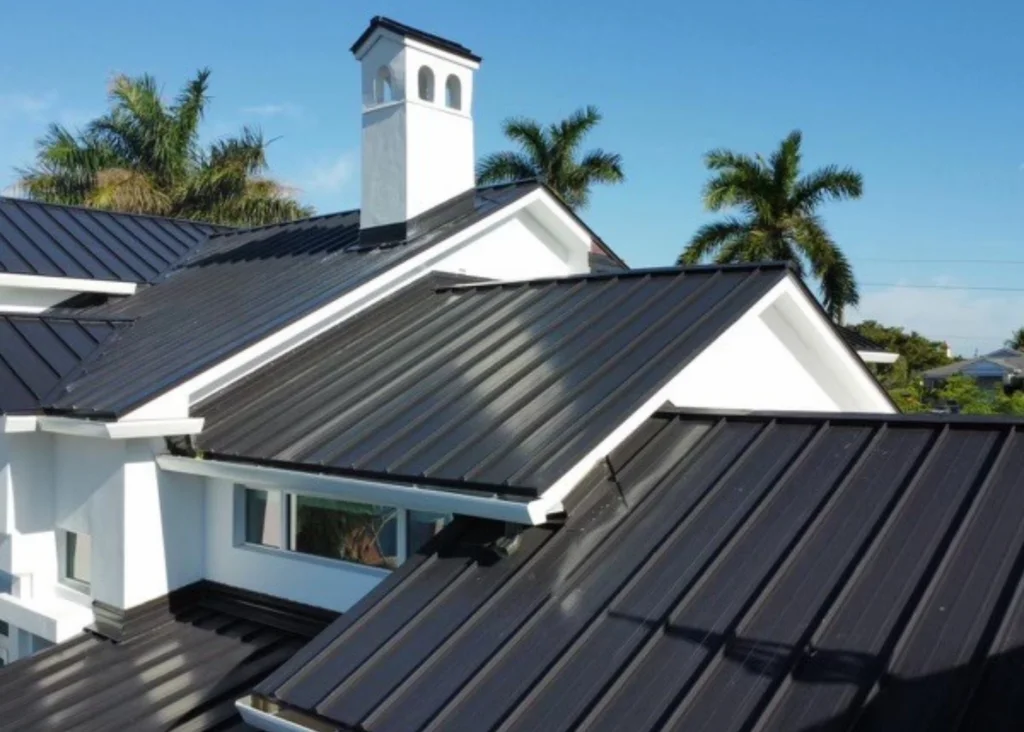
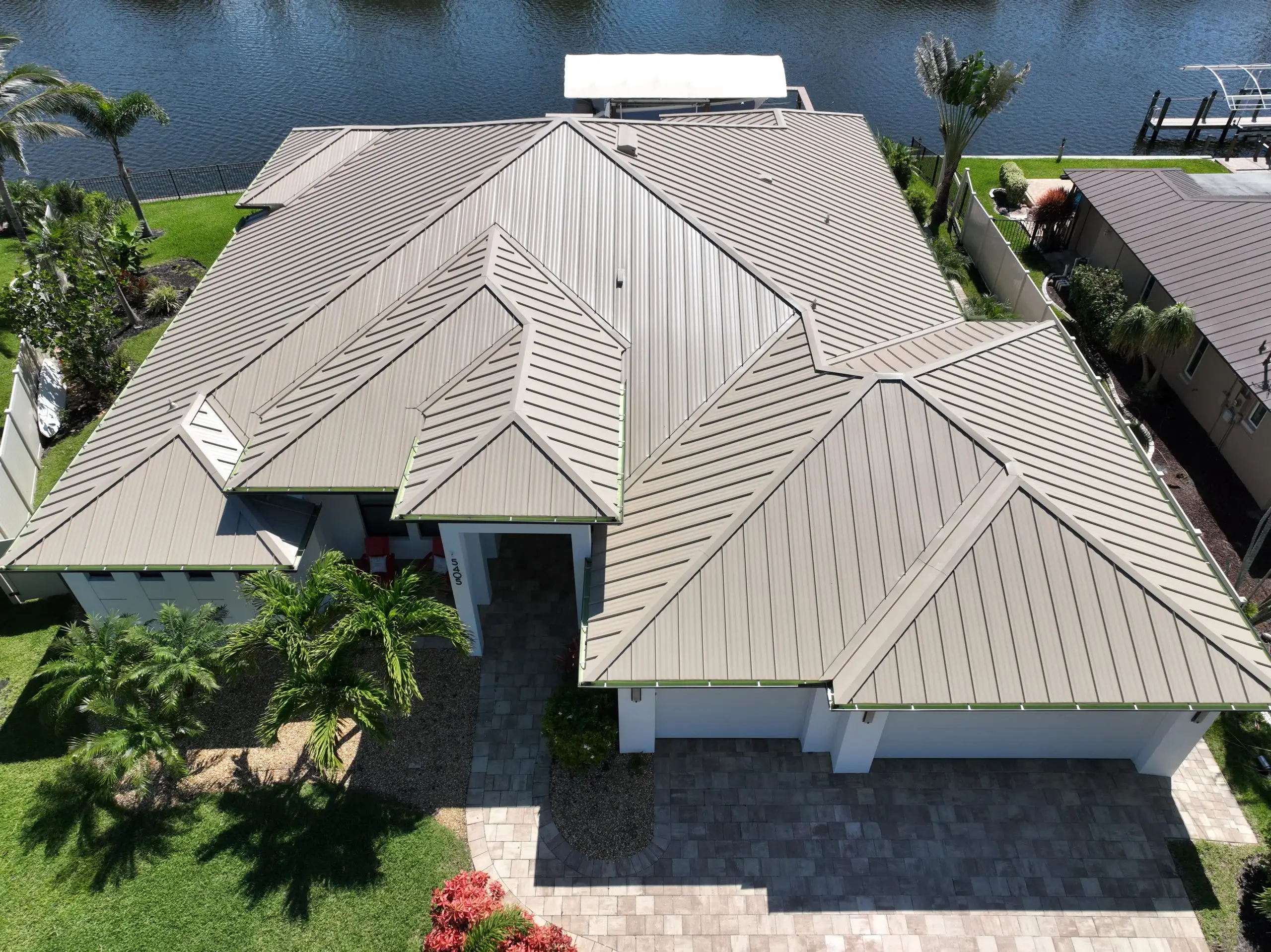
Standing seam is the gold standard for hurricane protection. The raised seams interlock without exposed fasteners, eliminating the most common failure point in metal roofing.
Pros:
- Highest wind ratings available
- No exposed fasteners to leak or back out
- Clean, modern appearance
- Excellent for low-slope roofs
- Best energy efficiency (cool roof coatings available)
Cons:
- Highest upfront cost
- Requires specialized installation
- May not suit traditional home styles
- Oil canning can occur (cosmetic waviness)
Our recommendation: Standing seam is our top choice for homeowners prioritizing hurricane protection and willing to invest for 50+ years of performance.
2. Stone-Coated Steel Roofing
Best for: Hurricane protection with traditional aesthetics
Wind Rating: 120-155 mph
Lifespan: 40-70 years
Cost: $12,000-$28,000 for typical Lake County home
Stone-coated steel gives you metal's durability with the look of tile, shake, or shingles. The stone granule coating provides additional impact resistance and noise reduction.
Pros:
- Looks like tile/slate/shake
- HOA-friendly in communities that restrict metal
- Excellent impact resistance
- Lighter than real tile
- Quieter than exposed metal
Cons:
- Higher cost than standard metal panels
- Granules can shed over time (though slowly)
- More complex installation
Our recommendation: Perfect for homeowners in tile-heavy neighborhoods who want metal performance without the industrial look.
3. Metal Shingles
Best for: Traditional aesthetics, easier installation
Wind Rating: 110-150 mph
Lifespan: 40-60 years
Cost: $10,000-$22,000 for typical Lake County home
Metal shingles combine the appearance of traditional roofing with metal's durability. They install similarly to asphalt shingles but last 3-4 times longer.
Pros:
- Familiar appearance
- Easier installation than standing seam
- Good color variety
- Works with existing roof structure
- Better noise reduction than panels
Cons:
- Lower wind ratings than standing seam
- More seams mean more potential leak points
- Some have exposed fasteners
Our recommendation: Great choice for homeowners who want metal benefits but prefer traditional curb appeal.
4. Corrugated Metal Panels
Best for: Agricultural buildings, outbuildings, budget projects
Wind Rating: 100-140 mph
Lifespan: 25-40 years
Cost: $6,000-$14,000 for typical structure
Corrugated panels are the most economical metal option. While traditionally used for barns and sheds, modern profiles work for residential applications too.
Pros:
- Most affordable metal option
- Fast installation
- Easy to repair
- Good for secondary structures
Cons:
- Exposed fasteners can leak over time
- Industrial appearance
- Shorter lifespan than premium metals
- May not meet HOA requirements
Our recommendation: Best for detached garages, barns, workshops—or rustic/farmhouse style homes where the look is intentional.
5. Exposed Fastener Metal Panels
Best for: Cost-conscious homeowners, carports, additions
Wind Rating: 110-140 mph
Lifespan: 30-50 years
Cost: $8,000-$18,000 for typical Lake County home
Exposed fastener panels (like R-Panel or PBR panels) offer better performance than corrugated at a moderate price increase. The vertical ribs provide strength and clean lines.
Pros:
- Good balance of cost and performance
- Faster installation than standing seam
- Clean, modern appearance
- Multiple color options
Cons:
- Exposed fasteners are the weak point
- Fasteners may need maintenance over time
- Not as wind-resistant as standing seam
Our recommendation: Solid choice for additions, secondary roofs, or budget-conscious primary roofs. Plan to inspect fasteners every few years.
Head-to-Head Comparison
| Feature | Standing Seam | Stone-Coated | Metal Shingles | Exposed Fastener |
|---------|---------------|--------------|----------------|------------------|
| Wind Rating | 140-180 mph | 120-155 mph | 110-150 mph | 110-140 mph |
| Lifespan | 50-70 years | 40-70 years | 40-60 years | 30-50 years |
| Appearance | Modern | Traditional | Traditional | Modern/Industrial |
| Cost | $$$$$ | $$$$ | $$$ | $$ |
| Insurance Discount | Highest | High | Moderate | Moderate |
| Maintenance | Lowest | Low | Low | Moderate |
Key Factors for Florida Hurricane Protection
Wind Rating Matters More Than You Think
Florida Building Code requires minimum wind resistance, but 'minimum' isn't optimal. For Lake County:
- Basic requirement: 110 mph exposure
- Recommended: 130-140 mph rated system
- Optimal: 150+ mph rated system
Installation Quality is Everything
The best metal roofing system, installed poorly, will fail before a lesser system installed correctly. Critical factors:
- Fastener patterns: Proper spacing and placement
- Clip systems: Quality clips for standing seam
- Edge details: Wind catches roof edges first
- Underlayment: Secondary water barrier protection
Don't Forget the Deck
Your metal roof is only as strong as what it's attached to. We often find:
- Rotted plywood from old leaks
- Inadequate decking thickness
- Missing or improper hurricane straps
A roof replacement is the perfect time to address deck issues.
Which Metal Roof Should You Choose?
Choose Standing Seam if:
- Hurricane protection is your top priority
- You plan to stay in your home 15+ years
- You appreciate modern aesthetics
- You want lowest long-term maintenance
Choose Stone-Coated Steel if:
- Your HOA requires tile or traditional appearance
- You want metal performance with classic looks
- Impact resistance is a concern
Choose Metal Shingles if:
- You want metal benefits with familiar aesthetics
- Budget is a moderate concern
- Your home has traditional architecture
Choose Exposed Fastener if:
- Budget is a primary concern
- You're roofing a secondary structure
- You're comfortable with periodic maintenance
Get Expert Metal Roofing Advice
Every home is different. Roof pitch, existing structure, local codes, HOA restrictions, and your specific goals all influence the right choice.
At Pro Specialty Services, we specialize in metal roofing installation across Lake County. We'll assess your home, explain your options, and help you choose the system that makes sense for your situation and budget.
Contact us for a free metal roofing consultation. We serve Eustis, Mount Dora, Tavares, Leesburg, The Villages, Clermont, and surrounding communities.
For more metal roofing insights, explore our articles on metal roof benefits, standing seam vs exposed fastener comparison, and metal vs shingle cost analysis. Also see our hurricane roof preparation guide.
Caleb Hutchinson
Owner, Pro Specialty Services
"After every major hurricane, I see the same pattern: shingle roofs with widespread damage, tile roofs with broken pieces, and metal roofs still intact. The upfront cost of metal is real, but so is the peace of mind during storm season. If you're planning to stay in your Florida home, metal is worth serious consideration."