Table of Contents
Florida's extreme heat and humidity create unique insulation challenges. While northern states focus on keeping heat in during winter, Florida homeowners primarily need to keep heat out during our long, hot summers. This guide compares the insulation types best suited for Florida attics.
Why Attic Insulation Matters in Florida
Before comparing types, understand why proper insulation is critical:
The Heat Problem
- Attic temperatures can reach 150-160°F in summer
- Heat radiates through ceiling into living space
- AC systems work overtime to compensate
- Energy bills spike during summer months
The Humidity Factor
- Florida's humidity can lead to condensation issues
- Moisture in attics promotes mold and rot
- Some insulation types handle moisture better than others
- Proper installation prevents moisture problems
As we discuss in our attic ventilation guide, insulation works best when combined with proper ventilation.
Understanding R-Value
R-value measures insulation's resistance to heat flow. Higher R-value = better insulation.
Florida R-Value Recommendations
The Department of Energy recommends for Florida (Zone 2):
- Attic floors: R-38 to R-60
- Cathedral ceilings: R-38
- Walls: R-13 to R-15
For more details on R-value in Florida's climate, see our R-value guide.
R-Value Reality Check
Keep in mind:
- R-value is measured under ideal conditions
- Installation quality affects actual performance
- Air sealing is as important as R-value
- Radiant heat requires different solutions
Fiberglass Insulation
The most common and affordable option, fiberglass comes in batts (rolls) or loose-fill.
Fiberglass Batts
Pre-cut rolls installed between joists and rafters.
Pros:
- Low initial cost
- DIY-friendly for skilled homeowners
- Non-flammable
- Doesn't absorb water
- Available at all home improvement stores
Cons:
- Gaps reduce effectiveness significantly
- Difficult to fit around obstacles
- Can compress over time
- Doesn't air-seal
- Fibers can irritate skin and lungs
Florida Considerations:
- Works adequately but not optimal
- Gaps are common in attics with many penetrations
- May settle over time
- Doesn't block radiant heat
Blown-In Fiberglass
Loose fiberglass blown into attic spaces.
Pros:
- Better coverage than batts
- Fills irregular spaces
- Faster installation for large areas
- Consistent coverage possible
Cons:
- Settles over time (loses R-value)
- Requires professional equipment
- Still doesn't air-seal
- Can shift if attic is accessed
Cost:
- Batts: $0.50-$1.50 per square foot installed
- Blown-in: $1.00-$2.00 per square foot installed
Cellulose Insulation
Made from recycled paper products treated with fire retardants.
Blown-In Cellulose
The most common form, blown into attic spaces.
Pros:
- Good thermal performance
- Made from recycled materials (eco-friendly)
- Fills gaps better than fiberglass
- Denser than fiberglass (some air sealing)
- Fire-resistant when properly treated
Cons:
- Can absorb moisture
- Settles significantly (10-20%)
- Heavier than fiberglass (ceiling weight consideration)
- Dust during installation
- Not recommended for areas with moisture exposure
Florida Considerations:
- Humidity concerns with moisture absorption
- Must have good attic ventilation
- Not recommended for coastal or flood-prone areas
- Consider in dry attic environments only
Cost:
- $1.00-$2.50 per square foot installed
Spray Foam Insulation
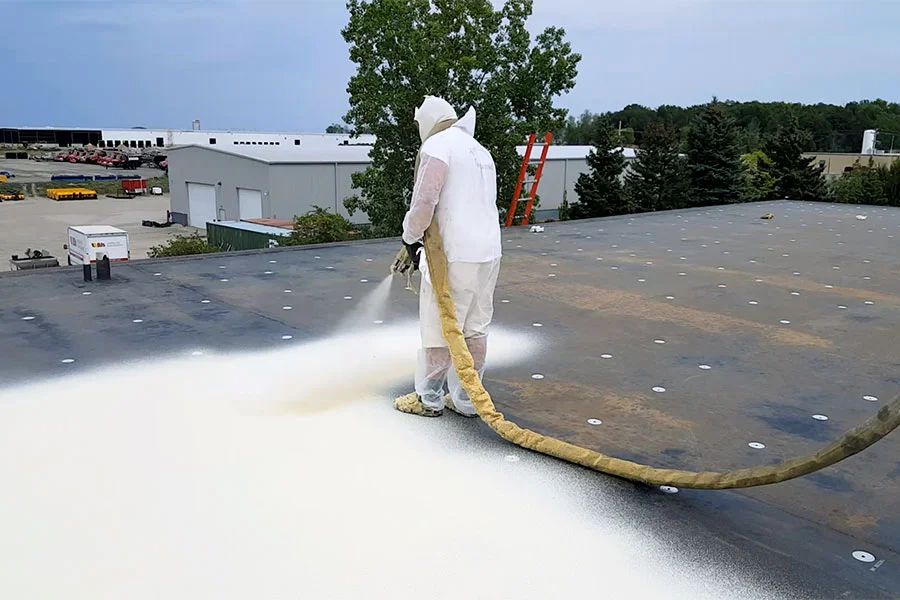
Premium option available in open-cell and closed-cell varieties.
Open-Cell Spray Foam
Lower density foam that expands to fill cavities.
Pros:
- Excellent air sealing
- Fills all gaps and penetrations
- Good sound reduction
- Lower cost than closed-cell
- About R-3.7 per inch
Cons:
- Absorbs water (not for exterior exposure)
- Lower R-value per inch than closed-cell
- Requires professional installation
- Cannot be exposed (must be covered)
Florida Considerations:
- Good choice for attic rooflines (conditioned attics)
- Creates vapor-permeable air barrier
- Works well with Florida's humidity when properly installed
Closed-Cell Spray Foam
Higher density foam with excellent properties.
Pros:
- Highest R-value per inch (R-6 to R-7)
- Complete air and vapor barrier
- Adds structural strength
- Water resistant
- Excellent for all applications
Cons:
- Most expensive option
- Requires professional installation
- Off-gases during installation
- More difficult to modify later
Florida Considerations:
- Excellent for Florida's climate
- Best option for roof deck insulation
- Provides air, vapor, and water barrier
- Worth the investment for long-term performance
For more details on spray foam, see our spray foam insulation guide.
Cost:
- Open-cell: $1.50-$3.00 per square foot
- Closed-cell: $3.00-$6.00 per square foot
Radiant Barriers
A different approach specifically designed for hot climates.
How Radiant Barriers Work
Unlike traditional insulation, radiant barriers reflect heat rather than slow its transfer:
- Reflective material (usually aluminum) blocks radiant heat
- Reduces heat gain from hot roof deck
- Most effective in hot, sunny climates
- Works differently than R-value insulation
Types of Radiant Barriers
Foil Barriers:
- Installed on underside of roof rafters
- Most effective type
- Stapled to rafters facing down
Radiant Barrier Paint/Coating:
- Painted on attic surfaces
- Less effective than foil
- Easier to apply in existing homes
OSB with Radiant Barrier:
- Roof sheathing with foil facing
- Installed during new construction or re-roofing
- Very effective
Pros:
- Excellent for Florida's radiant heat problem
- Reduces attic temperatures 20-30 degrees
- Works with existing insulation
- Relatively low cost
- Long-lasting (no settling or degradation)
Cons:
- Must have air gap to function
- Dust accumulation reduces effectiveness
- Doesn't provide R-value
- Professional installation recommended
For more details, see our radiant barrier guide.
Cost:
- $0.15-$0.75 per square foot for materials
- $0.50-$1.50 per square foot installed
Comparing Options for Florida
Best Overall Performance
Closed-cell spray foam + radiant barrier
- Maximum energy efficiency
- Addresses all heat transfer types
- Highest cost but best ROI
Best Value
Blown-in fiberglass + radiant barrier
- Good thermal performance
- Radiant barrier addresses Florida's primary heat source
- Moderate cost with significant benefits
Budget Option
Blown-in fiberglass to R-38 minimum
- Meets code requirements
- Adequate basic performance
- Consider adding radiant barrier later
For Conditioned Attics
Open-cell spray foam on roof deck
- Creates conditioned space
- Ideal for HVAC systems in attic
- Improves overall home efficiency
Installation Considerations
Vented vs. Sealed Attics
Vented Attic (Traditional):
- Insulation on attic floor
- Attic ventilation required
- Less expensive to insulate
- Works with most insulation types
Sealed/Conditioned Attic:
- Insulation at roof deck
- No attic ventilation needed
- Better for HVAC in attic
- Typically requires spray foam
Air Sealing First
Before adding insulation, seal air leaks:
- Penetrations for wiring and plumbing
- Duct connections
- Attic access
- Top plates of walls
Air sealing often has better ROI than additional insulation.
Avoiding Common Mistakes
- Don't block soffit vents with insulation
- Maintain proper attic ventilation (see ventilation guide)
- Don't compress insulation (reduces R-value)
- Address moisture issues before insulating
- Use proper vapor barriers where required
Cost and Energy Savings
Typical Costs for 1,500 sq ft Attic
- Fiberglass to R-38: $1,500-$3,000
- Cellulose to R-38: $1,500-$4,000
- Radiant barrier addition: $750-$2,250
- Open-cell spray foam: $2,250-$4,500
- Closed-cell spray foam: $4,500-$9,000
Energy Savings
Expected savings on cooling costs:
- Upgrading from R-19 to R-38: 10-20% reduction
- Adding radiant barrier: 5-15% reduction
- Spray foam on roof deck: 15-25% reduction
- Combined improvements: 20-35% reduction possible
Payback Period
Most attic insulation upgrades pay for themselves in:
- Basic upgrades: 3-6 years
- Premium upgrades: 5-10 years
- Combined with air sealing: 2-5 years
Making Your Decision
Consider These Factors
- Current insulation level: What do you have now?
- HVAC location: Is equipment in attic?
- Attic access: How often do you need access?
- Budget: What can you invest now?
- Long-term plans: How long will you live there?
Professional Assessment
Get a professional energy audit to:
- Measure current insulation levels
- Identify air leaks
- Check ventilation adequacy
- Calculate potential savings
- Recommend optimal solution
Get Expert Help
At Pro Specialty Services, we evaluate your complete attic system—insulation, ventilation, and air sealing—to recommend the most effective improvements for your situation. We offer attic insulation services including blown-in insulation and radiant barrier installation.
Contact us for an assessment of your attic insulation needs. We'll help you understand your options and find the solution that delivers the best comfort and energy savings for your Florida home.
For more on maximizing your home's energy efficiency, explore our articles on energy-efficient roofing options, cool roofing for Florida, and annual home maintenance checklist.
Caleb Hutchinson
Owner, Pro Specialty Services
"I've seen attics in Florida that were 30 degrees hotter than they needed to be, all because of inadequate insulation or missing radiant barriers. The energy savings from proper insulation are real and measurable. But the key is matching the right solution to your specific situation. A radiant barrier might be the best investment for one home, while spray foam makes more sense for another. Get a professional assessment before investing."