Table of Contents
Spray foam insulation has become increasingly popular in Florida homes, offering benefits that traditional insulation can't match. But it's also more expensive and requires professional installation. This guide helps you understand if spray foam is the right choice for your situation.
What Is Spray Foam Insulation?
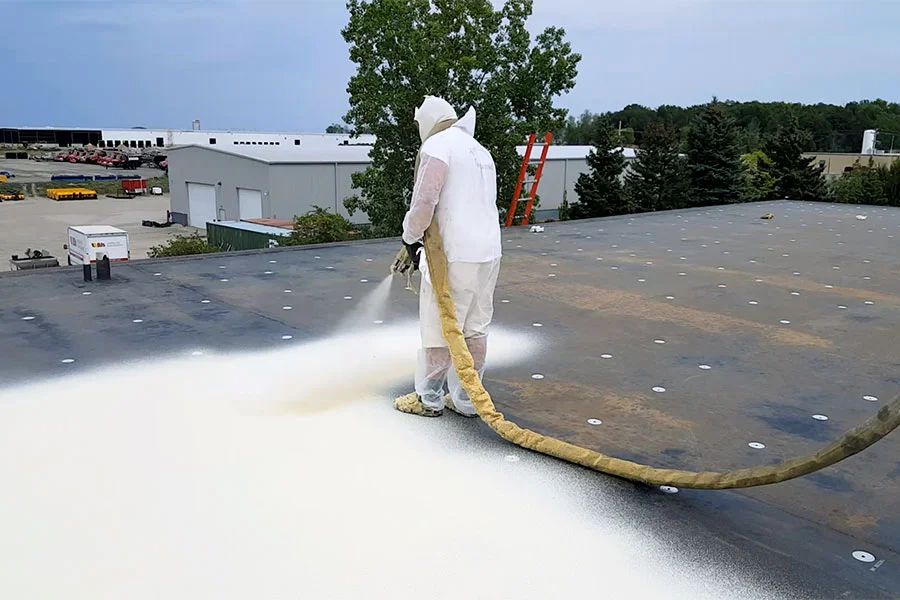
Spray foam is a liquid insulation that expands and hardens when applied. Two chemicals are mixed at the spray gun and react to create foam that adheres to surfaces and fills all gaps and cracks.
How It Works
Unlike traditional insulation that's placed between studs or joists, spray foam:
- Expands to fill entire cavities
- Adheres to surfaces it contacts
- Creates both insulation and air barrier
- Seals gaps that other insulation misses
Two Types of Spray Foam
There are two main categories, each with distinct properties:
- Open-cell spray foam: Lower density, more flexible
- Closed-cell spray foam: Higher density, rigid when cured
Understanding the difference is crucial for choosing the right product.
Open-Cell Spray Foam
Open-cell foam has a sponge-like structure with air pockets that remain open.
Properties
- R-value: R-3.5 to R-3.7 per inch
- Density: 0.5 pounds per cubic foot
- Structure: Soft, flexible when cured
- Moisture permeability: Allows vapor to pass through
Best Applications
Interior applications:
- Attic rooflines (conditioned attics)
- Interior wall cavities
- Floors over unconditioned spaces
- Sound reduction applications
Why It Works Well:
- Lower cost than closed-cell
- Excellent air sealing
- Flexible structure handles building movement
- Allows moisture to dry through foam
Limitations
- Cannot be left exposed (requires covering)
- Not a vapor barrier
- Absorbs water if exposed to moisture
- Lower R-value per inch
- Not suitable for below-grade applications
Florida Considerations
Open-cell works well in Florida for:
- Attic rooflines creating conditioned attics
- Interior applications where vapor barrier isn't needed
- Locations protected from bulk water exposure
Closed-Cell Spray Foam
Closed-cell foam has a rigid structure with cells that are completely sealed.
Properties
- R-value: R-6 to R-7 per inch
- Density: 2 pounds per cubic foot
- Structure: Rigid, strong when cured
- Moisture permeability: Vapor barrier at 1.5+ inches
Best Applications
Versatile use cases:
- Roof decks and attic spaces
- Exterior walls (especially with limited depth)
- Crawl spaces and basements
- Metal building insulation
- Areas with moisture exposure risk
Why It's Premium:
- Highest R-value per inch available
- Complete air and vapor barrier
- Adds structural strength to walls/roofs
- Water resistant
- Unaffected by humidity
Limitations
- Highest cost option
- Rigid structure doesn't flex
- More difficult to modify later
- Requires skilled installation
- Off-gassing during application
Florida Considerations
Closed-cell is excellent for Florida because:
- Provides vapor barrier in humid climate
- Resists moisture from any source
- Adds wind resistance when applied to roof deck
- Maximum R-value in limited spaces
Spray Foam for Florida Attics
Traditional Vented Attic
If keeping your attic vented:
- Spray foam typically applied to attic floor
- Air seals all penetrations automatically
- Works with any attic ventilation system
- Less expensive than roof deck application
Conditioned Attic
Applying foam to roof deck instead of floor:
- Creates conditioned (climate-controlled) attic
- HVAC equipment operates more efficiently
- Ductwork in conditioned space (major efficiency gain)
- No ventilation required
- Higher upfront cost but significant energy savings
Learn more about this approach in our attic insulation guide.
Which Approach for Florida?
Consider conditioned attic if:
- HVAC equipment is in the attic
- Ductwork runs through attic space
- Maximum energy efficiency is priority
- Budget allows for premium installation
Consider traditional approach if:
- HVAC is not in attic
- Attic access is frequently needed
- Budget is more limited
- Existing ventilation is adequate
Installation Process
Professional Requirement
Spray foam installation requires:
- Specialized equipment
- Trained technicians
- Proper safety equipment
- Temperature and humidity control
This is not a DIY project. Improper installation can lead to:
- Off-gassing and indoor air quality issues
- Incomplete coverage and thermal bridging
- Adhesion failures
- Fire hazards
What to Expect
Before Installation:
- Area must be clear of belongings
- Existing insulation may need removal
- Moisture issues must be resolved first
- Electrical and HVAC systems protected
During Installation:
- Strong chemical odor (evacuate building)
- 24-48 hours cure time typical
- Temperature affects application
- Multiple passes may be needed for thickness
After Installation:
- Cure time before occupancy (varies by product)
- Inspection to verify coverage
- Covering required for open-cell
Cost Analysis
Typical Costs
For a 1,500 square foot attic in Florida:
- Open-cell on floor: $1,500-$3,000
- Open-cell on roof deck: $2,500-$4,500
- Closed-cell on floor: $3,000-$5,000
- Closed-cell on roof deck: $5,000-$9,000
Cost Factors
- Thickness required (R-value target)
- Accessibility of the space
- Prep work needed
- Local market conditions
- Product brand and quality
ROI Calculation
Energy savings offset costs over time:
- Typical 20-40% reduction in cooling costs
- Additional HVAC efficiency if in conditioned attic
- Payback period: 5-10 years typical
- Home value increase from efficiency improvements
Advantages Summary
Why Choose Spray Foam
- Superior air sealing: Stops air infiltration completely
- No gaps or settling: Maintains performance indefinitely
- Moisture control: Closed-cell provides vapor barrier
- Space efficiency: Higher R-value per inch
- Longevity: Doesn't degrade over time
- Structural benefit: Closed-cell adds rigidity
Florida-Specific Benefits
- Handles humidity without moisture issues
- Excellent for hurricane resistance (closed-cell)
- Dramatically improves AC efficiency
- Stops hot attic air from infiltrating living space
Important Considerations
Ventilation Changes
Spray foam on roof deck changes attic ventilation requirements:
- Sealed attic should NOT be vented
- Existing vents may need to be closed
- Moisture dynamics change
- Ensure installer understands Florida requirements
See our ventilation guide for more information.
HVAC Implications
If you have HVAC in your attic:
- Equipment will run cooler
- May extend equipment life
- Return air pathways may need adjustment
- Ductwork sealing less critical (but still beneficial)
Future Access Concerns
Spray foam is permanent:
- Wiring and plumbing become harder to access
- Plan for future needs before installation
- Consider accessible areas for potential work
Indoor Air Quality
During and after installation:
- Off-gassing occurs during cure time
- Building must be evacuated during application
- Allow proper cure time before occupancy
- Some people are sensitive to cured foam (rare)
Choosing a Contractor
What to Look For
- Certified installers: Brand-specific training
- Experience: Years in spray foam specifically
- References: Completed projects you can verify
- Insurance: Liability and workers' comp
- Warranty: Both labor and product
Questions to Ask
- What brand of foam do you use?
- Open-cell or closed-cell for my application?
- What R-value will be achieved?
- How long before I can reoccupy?
- What warranty do you provide?
- Do you handle ventilation changes?
Red Flags
- No brand name specified
- Significantly lower price than competitors
- No discussion of ventilation implications
- Unable to explain open-cell vs closed-cell
- No safety or cure time discussion
Is Spray Foam Right for You?
Good Candidates
- Homeowners prioritizing energy efficiency
- Homes with HVAC in attic space
- Situations where traditional insulation failed
- Limited space requiring maximum R-value
- Long-term homeowners (to realize ROI)
Consider Alternatives If
- Budget is primary constraint
- Frequent attic access needed
- Short-term ownership planned
- Existing insulation is adequate
- You're sensitive to chemical products
Alternatives include radiant barriers which can significantly reduce attic heat at lower cost.
Get Professional Advice
At Pro Specialty Services, we help Florida homeowners evaluate their insulation options and make informed decisions. We offer spray foam insulation services as well as other insulation solutions.
Contact us for an evaluation of your attic insulation situation. We'll assess your current conditions, discuss your goals, and recommend the solution that delivers the best value for your specific circumstances.
Caleb Hutchinson
Owner, Pro Specialty Services
"Spray foam is an excellent product when used correctly, but I've seen problems when it's applied in the wrong situations or by inexperienced installers. The key is understanding whether you're creating a conditioned attic or a vented attic, and making sure all the other systems—ventilation, HVAC returns, moisture management—are adjusted accordingly. Done right, spray foam delivers dramatic comfort and efficiency improvements. Done wrong, it can cause problems."