Table of Contents
Whether you're buying a home, selling one, filing an insurance claim, or simply want to know your roof's condition, a professional roof inspection provides crucial information. But what exactly do inspectors look for? Understanding the inspection process helps you evaluate inspection reports, ask informed questions, and know when issues require attention.
The Comprehensive Inspection Process
A thorough roof inspection goes far beyond a quick visual check. Professional inspectors evaluate multiple systems and components, both on the roof surface and throughout supporting structures.
Exterior Roof Inspection
The visible roof surface is where most people focus, and inspectors evaluate it systematically:
Roofing Material Condition
Every roofing material shows age and damage differently. Here's what inspectors assess for common Florida roof types:
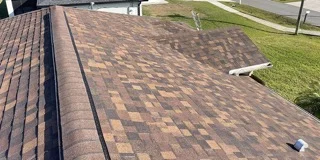
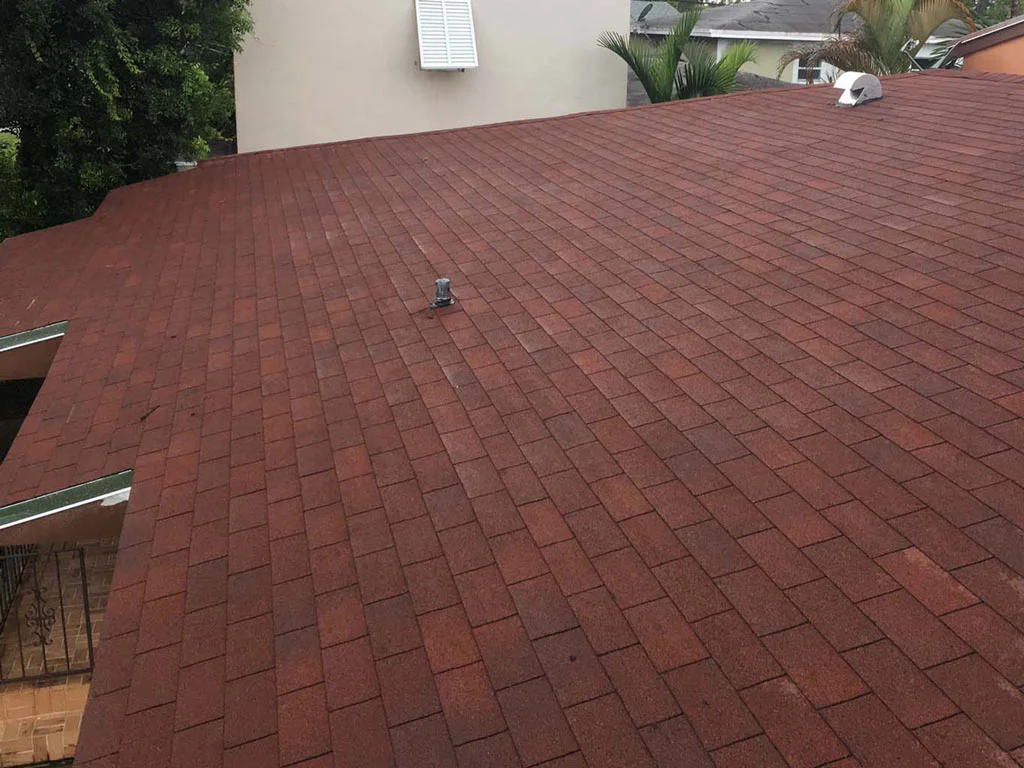
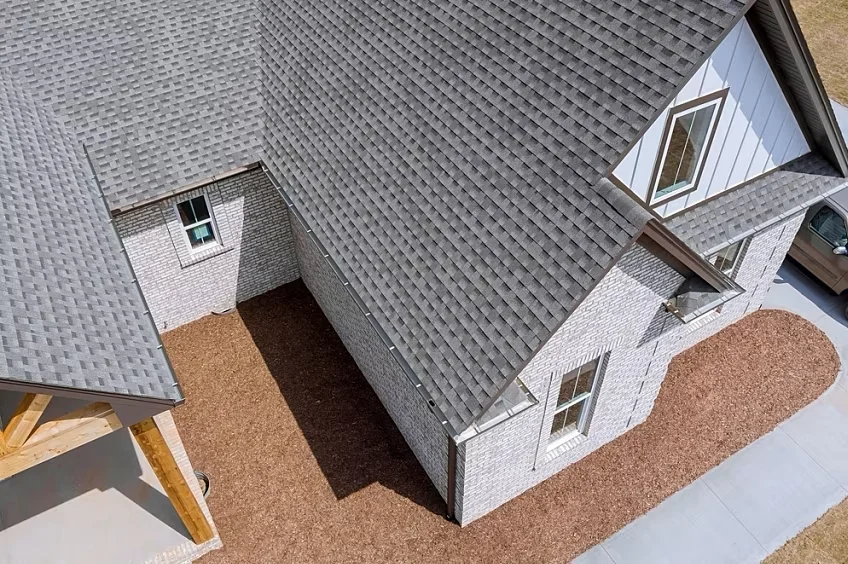
Asphalt Shingles
- Granule loss: Shingles rely on ceramic granules for UV protection. Loss appears as bald spots or excessive granules in gutters
- Curling and cupping: Edges curling up or centers cupping indicates age or ventilation problems
- Cracking: Brittle shingles crack in patterns, often from thermal cycling
- Missing shingles: Obvious gaps requiring immediate attention
- Blistering: Bubbles in shingles from moisture trapped during manufacturing or excessive attic heat
- Moss and algae: Dark streaking indicates algae; raised green growth is moss, both holding moisture against shingles
Metal Roofing
- Rust and corrosion: Surface rust on steel panels, galvanic corrosion at dissimilar metal contact points
- Fastener condition: Exposed fastener roofs show nail backing out, missing caps, or deteriorated washers
- Seam integrity: Standing seam panels checked for separation or damage
- Panel condition: Dents, scratches through protective coating, oil canning (waviness)
- Coating condition: Fading, chalking, or peeling paint/coating
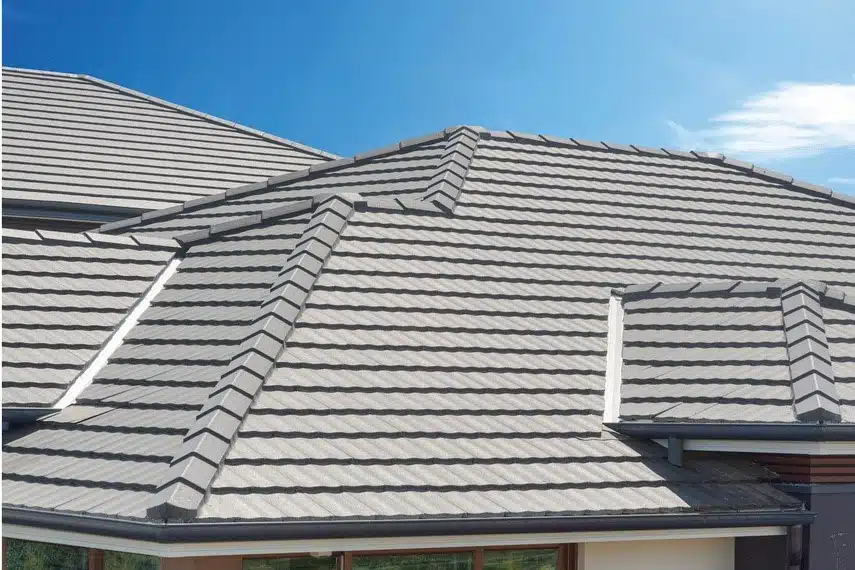
Tile Roofing
- Cracked or broken tiles: Individual damage often from foot traffic or impact
- Displaced tiles: Tiles shifted by wind, animals, or improper installation
- Underlayment condition: The membrane beneath tiles often fails before tiles do
- Debris accumulation: Leaves and debris trapped under tiles causing moisture retention
- Mortar condition: For mortared tiles, checking for cracks or deterioration
Flat Roofing
- Membrane condition: Checking for punctures, tears, or degradation in TPO, EPDM, or modified bitumen
- Seam integrity: Welded or glued seams are common failure points
- Ponding water: Areas where water pools and doesn't drain within 48 hours
- Blistering and bubbling: Air or moisture trapped beneath the membrane
- Surface cracking: Alligatoring patterns in aged modified bitumen or built-up roofs
Flashing Inspection
Flashing—the metal pieces that waterproof transitions—is where many leaks originate. Inspectors carefully examine:
Step and Counter Flashing
Where roof meets vertical walls, step flashing should be visible at each shingle course with counter flashing covering the top edge. Inspectors check for:
- Proper overlap and integration with shingles
- Corrosion or deterioration
- Separation from wall surface
- Missing caulk or sealant
Valley Flashing
Roof valleys concentrate water flow and are critical leak points:
- Metal valley condition (rust, holes, displacement)
- Proper overlap of roofing materials
- Debris accumulation restricting water flow
- Adequate width for water volume
Chimney Flashing
Chimneys present complex flashing challenges:
- Base flashing condition and integration
- Counter flashing embedded in mortar joints
- Cricket or saddle condition (the small peaked structure behind chimneys)
- Sealant condition at joints
Vent and Pipe Flashing
Every plumbing vent, exhaust fan, and other roof penetration needs proper flashing:
- Rubber boot condition (these degrade in Florida sun)
- Metal flange integrity
- Proper overlap with surrounding roofing
- Sealant condition
Gutters and Drainage
Proper water management prevents many roof problems. Inspectors evaluate:
Gutter Condition
- Alignment and slope: Gutters should slope toward downspouts without sagging
- Physical damage: Dents, holes, separated seams
- Fastener security: Hangers and brackets holding gutters firmly
- Debris accumulation: Leaves and debris preventing water flow
- Rust or corrosion: Especially at seams and inside troughs
Downspouts
- Proper connection to gutters
- Adequate sizing for roof area
- Secure mounting to walls
- Extensions directing water away from foundation
Roof Drainage
- Drip edge presence and condition: Metal edging along roof perimeter
- Water flow patterns: Signs of improper drainage or concentration
- Ponding areas on flat roofs
Structural Integrity Assessment
Beyond surface materials, inspectors assess the roof's structural condition:
Roof Deck Evaluation
The decking (usually plywood or OSB) supports all roofing materials:
- Sagging between rafters: Visible from exterior or attic, indicates weakened decking
- Soft or spongy areas: When walking on roof, soft spots suggest water damage
- Delamination: Plywood layers separating from moisture exposure
- Staining: Water marks visible on underside (attic inspection)
Framing Assessment
Trusses and rafters form the roof's skeleton:
- Visible damage: Cracks, splits, or breaks
- Moisture damage: Water staining, mold growth, rot
- Modifications: Improper cuts or alterations weakening structure
- Truss plates: Metal connector plates properly seated and not corroded
Attic Inspection
A comprehensive inspection includes the attic space. From inside, inspectors see what's invisible from outside:
Ventilation Evaluation
Proper attic ventilation is crucial for roof longevity:
- Intake vents: Soffit vents present and unblocked by insulation
- Exhaust vents: Ridge vents, gable vents, or powered ventilators functioning
- Air flow patterns: Evidence of proper circulation
- Ventilation calculation: Adequate square footage for attic size
Insulation Condition
Insulation affects both energy efficiency and roof health:
- Coverage: Even distribution without gaps or compressions
- Depth: Adequate R-value for Florida climate (R-30 to R-38 recommended)
- Moisture damage: Wet or compressed insulation indicating leaks
- Blocking soffit vents: Insulation pushed against soffit openings
Signs of Leaks and Moisture
The attic reveals leak evidence often invisible from outside:
- Water stains on decking or rafters
- Daylight visible through roof (obvious leak points)
- Mold or mildew growth
- Rust on nail points penetrating decking
- Damaged or discolored insulation
Penetrations and Accessories
Every item that penetrates or attaches to the roof creates potential leak points:
Skylights
- Frame and flashing condition
- Seal integrity around edges
- Glass or plastic dome condition
- Interior staining suggesting past or current leaks
HVAC Equipment
Rooftop units common in Florida require:
- Proper curb installation and flashing
- Condensate drainage
- Electrical conduit sealing
- Vibration isolation
Antennas and Satellite Dishes
- Mounting penetrations properly sealed
- No rust trails indicating corrosion
- Proper flashing if penetrating roof surface
Solar Panels
- Mounting system condition
- Flashing around penetrations
- Impact on roof drainage
- Access for future roof maintenance
Signs of Previous Repairs
Past repairs tell a story about the roof's history:
Quality of Repairs
- Professional vs. DIY quality
- Matching materials or obvious patches
- Proper flashing integration
- Sealant-only repairs (often temporary fixes)
Repair History Indicators
- Multiple repair attempts in same area (recurring problem)
- Different shingle colors or generations
- Inconsistent installation patterns
- Excessive sealant or roofing cement
Age-Related Assessment
Even without knowing installation date, inspectors estimate roof age and remaining life:
Age Indicators
- Material condition relative to typical lifespan
- Style of materials (certain shingle profiles haven't been made for years)
- Installation techniques (methods evolve over time)
- Weathering patterns consistent with stated age
Remaining Useful Life
Based on current condition, inspectors estimate how many more years the roof can be expected to perform. This helps with:
- Insurance coverage decisions
- Home purchase negotiations
- Budget planning for replacement
- Roof certification applications
Florida-Specific Concerns
Florida's climate creates unique inspection priorities:
Hurricane Resistance
Inspectors evaluate wind resistance factors:
- Roof-to-wall connections: Hurricane straps or clips
- Shingle installation: Proper nailing patterns and adhesive strips sealed
- Ridge caps: Enhanced attachment at roof peaks
- Opening protection: Impact-rated skylights or covers
UV and Heat Damage
Florida's intense sun accelerates aging:
- South and west facing slopes typically show more wear
- Premature aging compared to stated roof age
- Thermal cracking in aged materials
Biological Growth
Florida's humidity promotes organism growth:
- Algae streaking (ugly but usually cosmetic)
- Moss growth (holds moisture, causes damage)
- Lichen (creates depressions in shingles)
- Mold (indicates moisture problems)
The Inspection Report
Professional inspections conclude with a detailed report documenting findings:
What Reports Include
- Overall roof condition assessment
- Itemized list of issues found
- Photographs documenting problems
- Severity ratings for each issue
- Recommended repairs or actions
- Estimated remaining useful life
- Cost estimates for recommended work
Using Inspection Results
Reports serve different purposes depending on your situation:
- Home buyers: Negotiate price or repairs
- Home sellers: Address issues before listing
- Insurance claims: Document storm damage
- Maintenance planning: Prioritize repairs
- Certification: Qualify for insurance discounts
How Often Should You Have Your Roof Inspected?
Different situations call for different inspection frequencies:
Annual Inspections
Recommended for:
- Roofs over 10 years old
- Properties in heavy tree coverage
- After any major storm (hurricane, hail)
- Roofs with known issues being monitored
Every 2-3 Years
Appropriate for:
- Newer roofs (under 10 years)
- Roofs with recent professional maintenance
- Properties without significant tree coverage
Situational Inspections
Always schedule an inspection:
- Before buying or selling a home
- After significant storms
- When applying for insurance
- Before roof certification
- When planning major renovations
The Value of Professional Inspection
While homeowners can spot obvious problems, professional inspectors bring:
- Experience identifying subtle issues
- Knowledge of local building codes
- Understanding of different material types
- Equipment for safe roof access
- Documentation that insurance accepts
- Objective assessment without sales pressure
At Pro Specialty Services, our inspectors have evaluated thousands of Lake County roofs. We know what Florida weather does to roofs, what problems to look for, and how to communicate findings clearly. Whether you need an inspection for insurance, real estate, or peace of mind, we provide thorough evaluation and honest recommendations.
Contact us to schedule your professional roof inspection today.
Caleb Hutchinson
Owner, Pro Specialty Services
"I've inspected thousands of roofs over my career, and I still find something new occasionally. But most problems fall into predictable patterns based on roof type, age, and Florida's climate. What surprises homeowners is how much we can learn from an attic inspection—many roof problems show up inside before they're visible outside. A thorough inspection isn't just about the surface."