Table of Contents
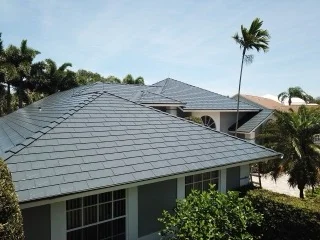
Tile roofs are a Florida favorite, offering exceptional durability, wind resistance, and a distinctive aesthetic. While tiles themselves can last 50+ years, proper maintenance is essential to achieve that longevity. Here's what Florida homeowners need to know about caring for their tile roofs.
Understanding Your Tile Roof System
Before diving into maintenance, understand that a tile roof is a system with multiple components:
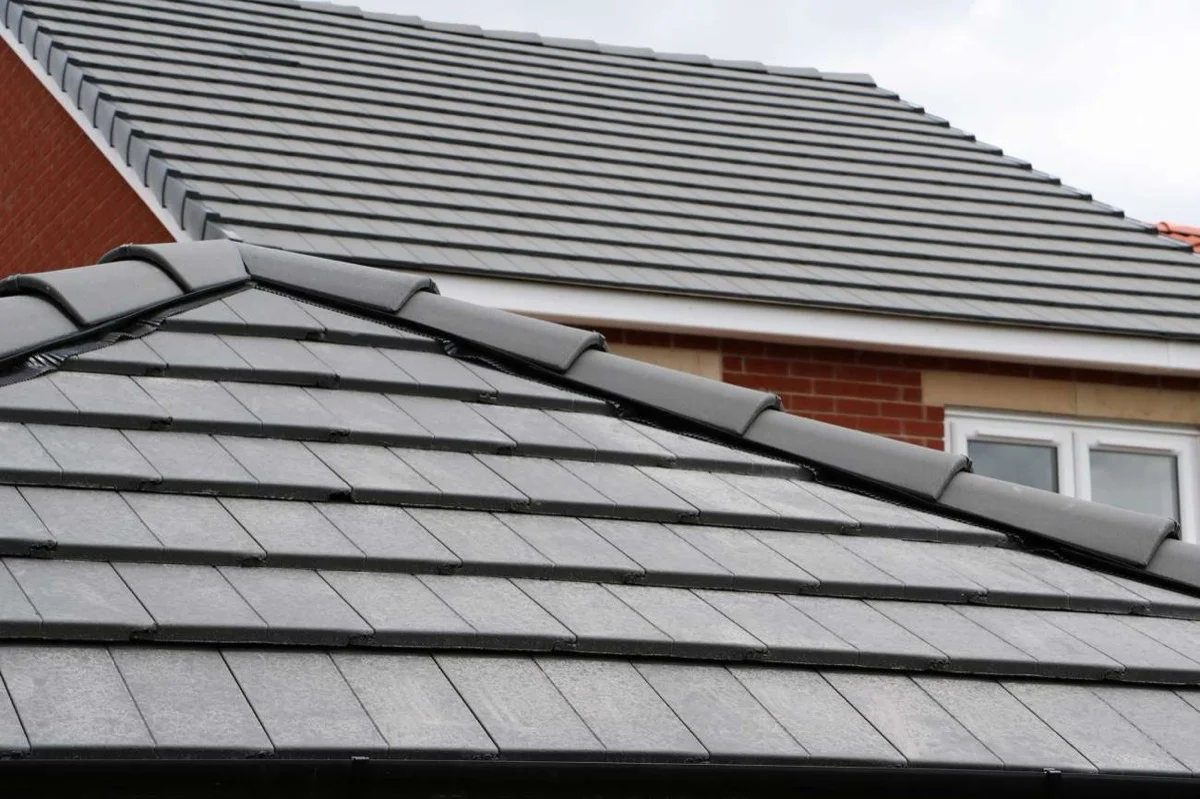
- Tiles: The visible exterior layer (concrete or clay)
- Underlayment: The waterproof membrane beneath the tiles
- Battens: Wood strips that tiles attach to (in some installations)
- Flashing: Metal at penetrations and transitions
- Ridge and hip tiles: Cap tiles along roof peaks
Each component has different maintenance needs and lifespans.
Annual Maintenance Checklist
Visual Inspection (Twice Yearly)
Walk around your home and visually inspect your roof from the ground, or schedule a professional roof inspection. Use binoculars if needed. Look for:
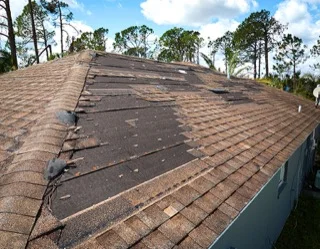
- Cracked, broken, or missing tiles
- Tiles that have shifted or slipped
- Damaged ridge or hip cap tiles
- Debris accumulation in valleys
- Moss, algae, or heavy staining
- Damaged or rusted flashing visible at edges
The best times are after hurricane season (November) and before summer rains (April).
Gutter Cleaning (Quarterly)
Clogged gutters cause water to back up under tile edges, damaging underlayment and fascia. In Florida's heavy rains, clean gutters are critical. Remove leaves, pine needles, and any accumulated debris. Check that downspouts flow freely.
Debris Removal
Clear accumulated debris from valleys, behind chimneys, and around roof penetrations. Debris traps moisture and accelerates deterioration of the underlayment beneath. Never use a pressure washer to remove debris—use a leaf blower or gentle hand removal.
Common Tile Roof Problems in Florida
Cracked or Broken Tiles
Tiles crack from:
- Impact damage (falling branches, hail, foot traffic)
- Thermal stress (temperature cycling)
- Age (concrete tiles become more brittle over time)
A few cracked tiles are normal and easily replaced. Widespread cracking may indicate a batch problem or structural issues.
Slipped or Displaced Tiles
Tiles can shift due to:
- Wind uplift during storms
- Improper installation without adequate fastening
- Deteriorated battens no longer holding nails
Slipped tiles expose the underlayment to UV and weather, leading to accelerated failure. Have them repositioned promptly.
Underlayment Failure
This is the hidden problem with tile roofs. The tiles may look perfect while the underlayment beneath has failed. Signs include:
- Leaks with no visible tile damage
- Water stains appearing after normal rain (not just storms)
- Roof age approaching 20-25 years
Underlayment replacement requires removing all tiles, replacing the membrane, and reinstalling the tiles. It's a significant project but less expensive than full roof replacement since the tiles are reused.
Moss and Algae Growth
Florida's humidity encourages organic growth on roofs. While some staining is cosmetic, thick moss can:
- Trap moisture against tiles
- Lift tile edges over time
- Make the roof slippery and dangerous
Professional cleaning with appropriate low-pressure methods and treatments can remove growth without damaging tiles.
What NOT to Do
Don't Walk on Your Tile Roof
Tile roofs are not designed for foot traffic. Even concrete tiles can crack under a person's weight, especially in hot weather when they're more brittle. If you must access your roof, hire a professional who knows how to walk on tiles properly (stepping on the lower third where tiles overlap).
Don't Pressure Wash
High-pressure washing seems like an efficient cleaning method, but it:
- Damages the protective surface of concrete tiles
- Can force water under tiles and into the underlayment
- Breaks weakened tiles
- Strips protective coatings
Professional roof cleaning uses low-pressure chemical treatment instead.
Don't Ignore Missing Tiles
A missing tile exposes underlayment directly to UV and weather. In Florida's intense sun, exposed underlayment deteriorates rapidly. What could be a $50 tile replacement becomes a much larger underlayment repair if delayed.
Don't Use Sealants Inappropriately
Roofing cement and silicone caulk are not substitutes for proper tile replacement or flashing repair. These products eventually fail, often masking the real problem while it worsens.
Professional Maintenance
Annual Professional Inspection
Even if your roof looks fine from the ground, annual professional inspection catches problems you can't see:
- Underlayment condition under tiles
- Flashing integrity
- Proper tile attachment
- Early signs of leak development
Professional inspectors know how to safely move across tile roofs and what to look for.
Professional Cleaning (Every 3-5 Years)
Depending on tree coverage and humidity, tile roofs benefit from periodic professional cleaning. This removes organic growth, enhances appearance, and allows for thorough inspection. A properly cleaned tile roof can look nearly new.
Tile Re-sealing (Concrete Tiles)
Concrete tiles can be sealed to extend their life and enhance appearance. Sealing:
- Reduces moisture absorption
- Prevents efflorescence (white mineral deposits)
- Enhances color retention
- Makes cleaning easier
Not all concrete tile roofs need sealing, but it's worth discussing with your roofing professional.
When to Consider Underlayment Replacement
If your tile roof is over 20 years old and experiencing leaks, the tiles may be fine but the underlayment needs replacement. This project involves:
- Carefully removing all tiles
- Inspecting and repairing the roof deck
- Installing new underlayment
- Reinstalling the original tiles (replacing any damaged ones)
While significant, this extends the roof's life another 20-25 years at a fraction of full replacement cost.
Extending Your Tile Roof's Life
With proper maintenance, tile roofs in Florida can last 50+ years. The keys are:
- Regular visual inspections
- Prompt replacement of broken tiles
- Professional inspections every 1-2 years
- Keeping gutters clear and debris removed
- Addressing underlayment issues before they cause interior damage
At Pro Specialty Services, we specialize in tile roof maintenance, repair, and underlayment replacement throughout Lake County. Contact us for an inspection to ensure your tile roof reaches its full lifespan.
Caleb Hutchinson
Owner, Pro Specialty Services
"Tile roofs are built to last, but only if you take care of the system underneath. I've seen 60-year-old clay tiles in perfect condition—and I've seen 15-year-old tile roofs fail because the underlayment was neglected."