Table of Contents
Tile roofs are iconic in Florida architecture. From Mediterranean-inspired homes in coastal communities to Spanish Colonial revivals throughout Central Florida, tile roofing delivers timeless beauty and remarkable durability. But is tile right for your home? Let's explore everything Florida homeowners need to know about tile roofing.
Types of Roof Tiles for Florida Homes
Several tile types work well in Florida's climate, each with distinct characteristics:
Clay Tiles
The traditional choice with centuries of proven performance:
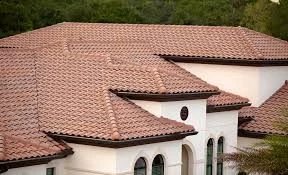
Barrel (S-Tile) Clay:
- Classic curved profile
- Most common in Florida
- Excellent water shedding
- Traditional Mediterranean look
Flat (Flat Shake) Clay:
- Sleeker, modern appearance
- Slightly easier installation
- Works with varied architectural styles
- Lower profile than barrel tiles
Learn about our clay barrel tile and clay flat tile options.
Concrete Tiles
A more affordable alternative with similar benefits:
S-Tile Concrete:
- Mimics clay barrel tile appearance
- Lower cost than clay
- Excellent durability
- Wide color selection
Flat Concrete Tile:
- Clean, contemporary look
- Versatile styling options
- Lightweight options available
- Cost-effective choice
Explore concrete S-tile and concrete flat tile services.
Lightweight Tile Options
For homes that can't support traditional tile weight:
- Lightweight concrete tiles (40-50% lighter)
- Composite tile materials
- Metal tiles with tile appearance
- Allow tile aesthetics on more homes
See our lightweight tile roofing solutions.
Benefits of Tile Roofing in Florida
Tile offers significant advantages in our climate:
Exceptional Longevity
Tile roofs outlast most alternatives:
- Clay tiles: 50-100+ years possible
- Concrete tiles: 40-60 years typical
- Lifetime value: Often the last roof needed
- Proven durability: Ancient tile roofs still exist worldwide
Superior Hurricane Resistance
When properly installed, tile excels in storms:
- Weight advantage: Heavy tiles resist wind uplift
- Interlocking design: Tiles secure to each other
- High wind ratings: Many systems rated for 150+ mph
- Impact resistance: Withstands flying debris
Energy Efficiency
Tile roofing naturally manages heat:
- Thermal mass: Absorbs heat slowly, releases slowly
- Air gap: Space under tiles provides ventilation
- Reflective colors: Light colors reduce heat absorption
- Cooling savings: 10-20% reduction typical in Florida
The air channel created between the tile and underlayment provides natural ventilation that no flat-lying material can match.
Fire Resistance
Maximum protection from fire hazards:
- Class A fire rating: Highest available
- Non-combustible: Clay and concrete don't burn
- Ember resistance: Won't ignite from flying embers
- Insurance benefits: May qualify for premium reductions
Low Maintenance Requirements
Tile requires minimal upkeep:
- No repainting: Color fired into clay or integral to concrete
- Weather resistant: Won't rot, rust, or corrode
- Pest proof: No attraction for insects or animals
- Self-cleaning: Rain washes most debris away
Aesthetic Timelessness
Tile looks better over time:
- Aging gracefully: Develops character with age
- Color stability: Resists fading and UV damage
- Curb appeal: Consistently rated most attractive roofing
- Home value: Premium appearance commands premium prices
Costs of Tile Roofing in Florida
Understanding the investment required:
Material Costs (Per Square Foot of Tile)
- Concrete flat tile: $3-$5
- Concrete S-tile: $4-$7
- Clay flat tile: $6-$10
- Clay barrel tile: $8-$15
- Lightweight options: $5-$12
Installed Costs (Per Square Foot of Roof)
For a complete installation including underlayment, fasteners, and labor:
- Concrete tile: $8-$14 per square foot
- Clay tile: $12-$20 per square foot
- Lightweight tile: $10-$16 per square foot
Total Project Costs
For a typical 2,000 square foot roof:
- Concrete tile: $16,000-$28,000
- Clay tile: $24,000-$40,000
- Lightweight tile: $20,000-$32,000
Cost Factors That Vary
- Roof complexity: More cuts and angles increase labor
- Existing roof removal: Tear-off and disposal costs
- Structural requirements: Reinforcement if needed
- Underlayment type: Premium underlayment recommended
- Flashing and accessories: Quality materials matter
Weight Considerations
The most critical factor for tile roofing suitability:
How Much Does Tile Weigh?
- Standard concrete tile: 9-12 pounds per square foot
- Standard clay tile: 8-10 pounds per square foot
- Lightweight tile: 5-7 pounds per square foot
- Asphalt shingles (comparison): 2-4 pounds per square foot
Structural Requirements
Your home's structure must support the load:
- Roof framing: Trusses or rafters must handle weight
- Decking: Minimum 5/8" plywood typically required
- Load path: Weight transfers through walls to foundation
Homes Designed for Tile
Many Florida homes are tile-ready:
- Block construction: Usually engineered for tile
- New construction: Specify tile during design
- Previously tiled: If tile was there before, it can go back
Homes Requiring Assessment
- Frame construction: Needs engineering evaluation
- Older homes: May need reinforcement
- Adding tile for first time: Professional assessment essential
Always get a structural evaluation before switching to tile. We can help assess your home's capability.
The Underlayment Factor
Critical to tile roof performance and longevity:
Why Underlayment Matters More with Tile
Tile is not inherently waterproof—it sheds water. The underlayment provides the actual waterproof barrier:
- Primary waterproofing: Underlayment seals the deck
- Tile's role: Protects underlayment from UV and weather
- Failure point: When underlayment fails, leaks begin
Underlayment Options
- Synthetic underlayment: 25-30 year lifespan typical
- Self-adhered membranes: Premium protection
- Foam adhesive systems: Modern installation method
The Replacement Reality
While tiles last 50+ years, underlayment doesn't:
- Typical lifespan: 20-30 years for underlayment
- Re-roof process: Remove tiles, replace underlayment, reinstall tiles
- Cost: Significant, but tiles are reused
Learn about tile underlayment replacement timelines.
Installation Considerations
Proper installation is essential for tile performance:
Hurricane Strapping Methods
Modern tile installation uses mechanical attachment:
- Nose clips: Secure front edge of tiles
- Wire ties: Connect tiles to battens
- Foam adhesive: Bonds tiles without penetrating
- Mortar setting: Traditional method for S-tiles
Flashing Details
Critical waterproofing points:
- Valley flashing: Metal valleys with tile overlay
- Wall flashing: Step flashing at all roof-wall intersections
- Penetration flashing: Properly sealed around vents and pipes
- Ridge and hip: Capped and sealed correctly
Ventilation Integration
Tile roofs need proper ventilation:
- Batten system: Creates air gap under tiles
- Ridge ventilation: Allows hot air escape
- Intake vents: Soffit or eave ventilation essential
Maintenance Requirements
While low-maintenance, tile roofs need some attention:
Regular Inspections
- Annual visual check: Look for cracked or shifted tiles
- Post-storm inspection: After hurricanes or severe weather
- Professional assessment: Every 3-5 years recommended
Common Maintenance Tasks
- Replace broken tiles: Individual tiles can be swapped
- Clean valleys: Remove debris that accumulates
- Check flashings: Ensure seals remain intact
- Trim overhanging branches: Prevent impact damage
What Not to Do
- Don't walk on tiles: Risk of breaking
- Don't pressure wash: Can damage tiles and underlayment
- Don't ignore issues: Small problems grow
- Don't use incompatible materials: Match existing tile for repairs
See our full tile roof maintenance guide.
Common Tile Roof Problems in Florida
Issues to watch for:
Broken or Cracked Tiles
Causes:
- Foot traffic during maintenance
- Falling branches or debris
- Impact from hail
- Age and thermal cycling
Solutions:
- Individual tile replacement
- Keep spare tiles for matching
- Minimize roof access
Slipped or Shifted Tiles
Causes:
- Fastener failure
- Storm damage
- Improper installation
Solutions:
- Reset and re-secure tiles
- Add mechanical fastening
- Professional repair recommended
Underlayment Failure
Signs:
- Leaks despite intact tiles
- Roof age over 20-25 years
- Deterioration visible from attic
Solutions:
- Underlayment replacement project
- Tiles removed, stored, and reinstalled
Moss and Algae Growth
Causes:
- Shaded areas with retained moisture
- Lack of copper or zinc strips
Solutions:
- Soft wash cleaning
- Install preventive metal strips
- Improve light exposure if possible
Is Tile Right for Your Florida Home?
Consider these factors in your decision:
Tile Is Ideal When:
- Your home is structurally designed for tile
- You plan long-term ownership (10+ years)
- You want maximum hurricane protection
- Aesthetic preference aligns with tile styles
- Energy efficiency is a priority
- You value durability over lowest upfront cost
Consider Alternatives When:
- Structure can't support tile weight
- Budget is severely limited
- Short-term ownership planned
- Very steep or complex roof makes tile impractical
- HOA restricts tile options
Working with Tile Roofing Professionals
Tile installation requires specialized expertise:
What to Look For
- Tile-specific experience: Not all roofers know tile
- Manufacturer certifications: Trained in specific systems
- Portfolio of tile projects: Photos of completed work
- Warranty knowledge: Understanding of tile warranties
Questions to Ask
- How many tile roofs have you installed?
- What attachment method do you use?
- How do you handle underlayment?
- What warranty do you offer on labor?
- Can you assess my home's structural capacity?
The Bottom Line
Tile roofing represents a premium investment that delivers premium results. For Florida homes designed to support tile weight, it offers the best combination of longevity, hurricane resistance, energy efficiency, and timeless beauty available in any roofing material.
The higher upfront cost is offset by a lifespan measured in decades—often 50 years or more. When you factor in reduced energy costs, minimal maintenance, and the likelihood that a quality tile roof is the last one you'll ever install, the value proposition becomes compelling.
At Pro Specialty Services, we've installed tile roofs throughout Lake County for years. We work with all tile types—clay, concrete, and lightweight options—and can help you determine if tile is right for your home. Contact us for a consultation, structural assessment, and detailed estimate for your tile roofing project.
Caleb Hutchinson
Owner, Pro Specialty Services
"Tile roofs are my favorite to work on because the craftsmanship really shows. A well-installed tile roof is a work of art that will protect a home for generations. But tile isn't for every home—we always do a thorough structural evaluation first. There's nothing worse than selling someone a beautiful tile roof their home can't safely support."