Table of Contents
EPDM (ethylene propylene diene monomer) rubber roofing has protected Florida flat roofs for decades. It's durable, relatively affordable, and handles our climate reasonably well. But like all roofing materials, EPDM develops problems over time. Understanding common issues and their solutions helps you maintain your rubber roof and make informed repair decisions.
Understanding EPDM Rubber Roofing
Before discussing repairs, let's understand what we're working with:
What Is EPDM?
EPDM is a synthetic rubber membrane used primarily on flat and low-slope roofs:
- Material: Rubber compound made from oil and natural gas byproducts
- Thickness: Typically 45 mil or 60 mil (thicker is more durable)
- Color: Usually black, though white EPDM is available
- Installation: Adhered, mechanically attached, or ballasted
EPDM in Florida's Climate
EPDM has specific interactions with Florida conditions:
- UV exposure: Black EPDM absorbs heat; white reflects it
- Thermal cycling: Expands and contracts with temperature changes
- Rain and humidity: Handles moisture well when properly sealed
- Hurricane winds: Attachment method affects wind resistance
Learn more about rubber roofing options for your flat roof.
Common EPDM Roof Problems
These issues appear most frequently on Florida rubber roofs:
Seam Failures
The most common EPDM problem—seams separate over time:
Why Seams Fail:
- Adhesive breaks down from UV exposure
- Thermal movement stresses seam edges
- Original installation used incompatible products
- Age and weathering degrade the bond
Signs of Seam Problems:
- Visible gaps between membrane sections
- Membrane lifting at seam edges
- Water intrusion during rain
- Bubbling along seam lines
Shrinkage
EPDM membranes shrink over time, especially in hot climates:
What Causes Shrinkage:
- UV degradation of the rubber compound
- Continual expansion/contraction cycles
- Material aging and chemical changes
- Typically 1-2% shrinkage over membrane life
Signs of Shrinkage:
- Membrane pulling away from edges and penetrations
- Tenting at corners
- Stressed flashings
- Exposed roof edges
Punctures and Tears
Physical damage from various sources:
Common Causes:
- Foot traffic during maintenance
- Dropped tools or equipment
- Animal damage (birds, raccoons)
- Wind-blown debris
- HVAC equipment movement
Identifying Punctures:
- Visible holes or cuts in membrane
- Localized leaks after rain
- Damage near rooftop equipment
Ponding Water
Standing water creates ongoing problems:
Why Ponding Occurs:
- Inadequate roof slope
- Clogged or insufficient drains
- Structural settling
- Poor original design
Ponding Effects on EPDM:
- Accelerated UV degradation where water magnifies sunlight
- Dirt and debris accumulation
- Algae and biological growth
- Eventual membrane deterioration
Flashing Failures
Where the membrane meets walls, pipes, and equipment:
Flashing Problem Areas:
- Pipe penetrations
- HVAC curbs
- Parapet walls
- Skylights
- Roof-to-wall transitions
Failure Signs:
- Visible gaps at flashings
- Water stains on interior walls
- Sealant deterioration
- Flashing material pulling away
Surface Deterioration
The membrane surface degrades over time:
Types of Surface Damage:
- Chalking: White powder on surface (normal aging)
- Crazing: Fine surface cracks
- Blistering: Bubbles under or in the membrane
- Alligatoring: Severe cracking pattern (end of life)
EPDM Repair Techniques
Different problems require different solutions:
Seam Repair
The most critical repair for long-term waterproofing:
Cleaning:
- Remove old adhesive with appropriate solvent
- Clean both membrane edges thoroughly
- Allow to dry completely
- Critical step—adhesion depends on clean surfaces
Re-seaming Options:
- Seam tape: Self-adhering tape over the seam
- Liquid adhesive: Brush-applied bonding agent
- Cover strip: Additional membrane over the seam
Best Practice:
Use a 6" cover strip fully adhered over the original seam for lasting repair. This provides redundant waterproofing.
Puncture and Tear Repair
Patching damaged areas:
Small Punctures (Under 1"):
- Clean the area with solvent
- Apply EPDM-compatible caulk
- Place small patch over caulk
- Roll to ensure adhesion
Larger Tears:
- Clean area extending 3-4" beyond damage
- Cut patch with rounded corners (prevents lifting)
- Apply primer to both surfaces
- Apply contact adhesive to both surfaces
- Position patch and roll thoroughly
- Seal edges with lap sealant
Shrinkage Remediation
Addressing membrane that has pulled away:
At Edges:
- Release membrane from attachment if possible
- Re-position to cover exposed areas
- Add new termination bar or edge detail
- Apply sealant at all terminations
At Penetrations:
- Install new flashing boots or wraps
- Ensure adequate material overlap
- Seal all transitions thoroughly
Flashing Repair and Replacement
Addressing the most leak-prone areas:
Pipe Flashings:
- Remove failed boot or wrap
- Clean pipe and surrounding membrane
- Install new EPDM boot or field-fabricated wrap
- Seal all edges and terminations
Wall Flashings:
- Clean wall surface and membrane edge
- Install new membrane flashing with proper overlap
- Terminate in reglet or under counter-flashing
- Seal top edge against water intrusion
Equipment Curbs:
- Wrap entire curb with new EPDM
- Maintain proper base tie-in
- Ensure pitch away from equipment
- Seal all corners and seams
Surface Treatment
Options for aging but sound membranes:
EPDM Restoration Coating:
- Specialized coatings made for EPDM
- Must be compatible with rubber membrane
- Cleans and protects the surface
- Can extend membrane life 5-10 years
Roof Coating Application:
- Elastomeric coating over entire roof
- Seals minor surface damage
- Adds reflectivity (white coating)
- Bridges small cracks and defects
Explore roof coating options for membrane restoration.
Repair vs. Replacement Decision
When does repair make sense versus full replacement?
Repairs Are Appropriate When:
- Localized damage: Specific problem areas, rest of roof sound
- Roof age under 15 years: Significant life remaining
- Minor seam issues: Limited to a few seams
- Budget constraints: Need to extend roof life affordably
- Adequate overall condition: No widespread deterioration
Replacement Is Better When:
- Roof age over 20 years: Approaching end of service life
- Widespread seam failures: Multiple seams failing
- Significant shrinkage: Membrane compromised throughout
- Extensive ponding: Drainage issues require re-sloping
- Multiple leak sources: Chasing leaks becomes inefficient
- Alligatoring or severe crazing: Membrane past useful life
Cost Comparison
Evaluate repair vs. replacement economics:
- Single repair: $200-$800 typically
- Multiple repairs: Can quickly approach replacement cost
- Full replacement: $5-$10 per square foot
- Rule of thumb: If repairs exceed 30-40% of replacement cost, replace
Preventing Future Problems
Proactive maintenance extends EPDM roof life:
Regular Inspections
Schedule inspections to catch problems early:
- Twice yearly: Spring and fall minimum
- After storms: Check for debris damage
- Around equipment: Where most problems occur
- Professional assessment: Annually recommended
Drainage Maintenance
Keep water moving off the roof:
- Clean drains monthly: Prevent ponding
- Check scuppers: Ensure clear flow
- Remove debris: Leaves and branches accumulate
- Monitor low spots: Watch for developing ponding
Limit Foot Traffic
Protect the membrane surface:
- Walkway pads: Install in traffic areas
- Equipment pads: Under HVAC units
- Minimize access: Only when necessary
- Proper footwear: Soft-soled shoes only
Vegetation Control
Organic material damages EPDM:
- Remove growth promptly: Don't let roots establish
- Clear overhanging branches: Reduce debris fall
- Treat algae: Before it becomes established
DIY vs. Professional Repair
Understanding what you can handle:
Homeowner-Appropriate Tasks:
- Visual inspections from ground level
- Clearing debris and drains
- Noting problems for professional assessment
- Very small puncture repairs (with proper materials)
Always Use Professionals For:
- Seam repairs (technique-sensitive)
- Flashing work (leak-prone if done wrong)
- Shrinkage remediation (requires experience)
- Large patches or multiple repairs
- Any repair near the roof edge
- Work requiring removal of equipment
Choosing Repair Materials
Not all repair products are compatible with EPDM:
Use Only EPDM-Compatible Products:
- Primers: Specifically formulated for EPDM
- Adhesives: EPDM bonding adhesive only
- Sealants: EPDM lap sealant
- Patches: Same membrane type and thickness
- Tape: EPDM seam tape from same manufacturer
Avoid These Products:
- Silicone caulk (won't adhere properly)
- Roofing tar or asphalt products (damage rubber)
- Incompatible coatings (can cause swelling)
- Wrong membrane type for patches
Alternative Flat Roofing Options
If EPDM repair isn't viable, consider alternatives:
TPO Membrane
- Heat-welded seams (stronger than adhesive)
- Naturally white (reflects heat)
- Similar cost to EPDM
- Excellent Florida performance
Learn about TPO roofing options.
Modified Bitumen
- Torch-applied or self-adhered options
- Multi-layer system
- Excellent puncture resistance
- Proven long-term performance
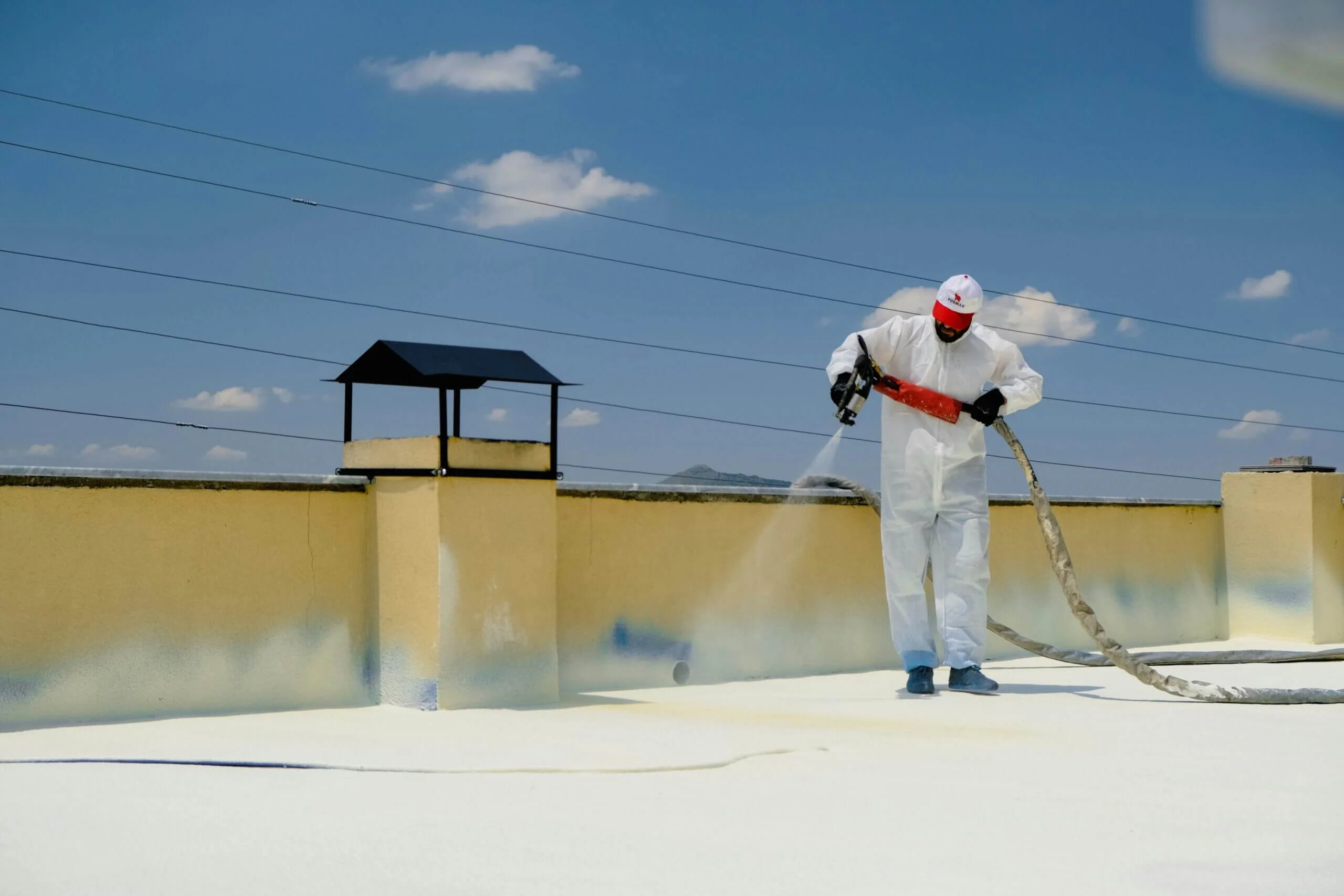
Spray Foam Roofing
- Seamless application
- Adds insulation value
- Can correct minor ponding
- Renewable surface coating
Explore flat roofing options for your property.
The Bottom Line
EPDM rubber roofing provides reliable flat roof protection when properly maintained. Most problems can be successfully repaired if caught early and addressed with proper techniques and materials. The key is regular inspection, prompt attention to issues, and knowing when repairs no longer make economic sense.
At Pro Specialty Services, we've repaired and replaced countless EPDM roofs throughout Lake County. We'll give you an honest assessment of your rubber roof's condition and recommend whether repair or replacement makes the most sense for your situation.
Concerned about your rubber roof? Schedule an inspection and we'll evaluate your membrane's condition, identify any problems, and provide repair options that extend your roof's life without unnecessary replacement costs.
Caleb Hutchinson
Owner, Pro Specialty Services
"EPDM repairs are all about preparation and using the right materials. I've seen so many failed repairs where someone used silicone caulk or roofing tar on rubber—it never works. When we repair an EPDM roof, we use manufacturer-specified products and techniques. A proper repair on a sound membrane can last for years. A sloppy patch on a failing roof is just throwing money away."