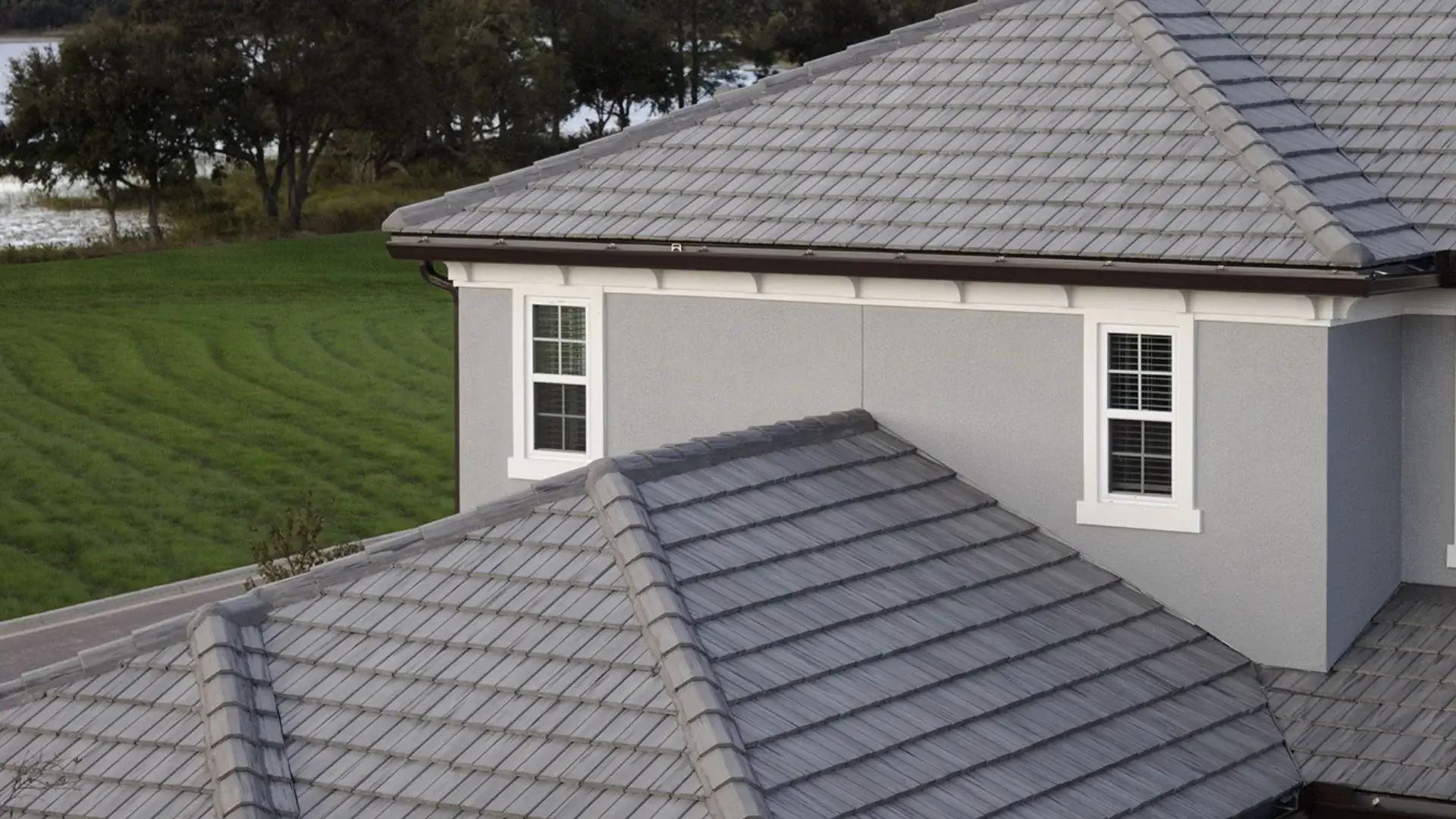
Whether you're concerned about your roof's condition, planning a replacement, or just want a professional assessment, a roofing consultation is the first step toward informed decisions. Understanding what happens during a consultation helps you prepare, ask the right questions, and evaluate both your roof and the contractor.
In this guide
What Is a Roofing Consultation?
A roofing consultation combines inspection and conversation:
Components of a Consultation
Visual Inspection:
- Professional examination of your roof
- Assessment of visible conditions
- Identification of problems or concerns
- Evaluation of remaining useful life
Discussion:
- Review of findings with you
- Explanation of options
- Answers to your questions
- Preliminary recommendations
Documentation:
- Photos of significant findings
- Written report or summary (varies by contractor)
- Estimate if requested
Consultation vs. Formal Inspection
A consultation may be less formal than a full roof inspection, though many contractors use similar processes. Full inspections for certification, insurance, or real estate purposes typically include comprehensive documentation and formal reports.
Preparing for Your Consultation
Preparation helps you get the most from the consultation:
Gather Information
About Your Roof:
- Approximate age (when was it installed?)
- Previous repairs or work done
- Any warranties or documentation you have
- History of problems or concerns
About Your Home:
- Year built
- Any additions or modifications
- Attic access location
- HOA requirements if applicable
Note Your Concerns
Write down specific issues you've noticed:
- Leaks or water stains (location and when they occur)
- Visible damage you've observed
- Areas that concern you
- Changes you've noticed over time
Know Your Goals
What do you want from the consultation?
- General assessment of roof condition
- Specific problem diagnosis
- Planning for future replacement
- Insurance or real estate documentation
- Comparison estimates for planned work
Clear Access
Help the inspector work efficiently:
- Clear access to attic entry
- Move vehicles from driveway if ladder needed
- Secure pets that might interfere
- Plan to be available during the visit
What Happens During the Consultation
Here's the typical consultation process:
Initial Conversation
The contractor typically begins with questions:
- What prompted you to schedule this consultation?
- What concerns do you have about your roof?
- What's your roof's approximate age?
- Have you had any recent problems?
- What are your goals for this consultation?
This helps them focus their inspection on your specific concerns.
Exterior Inspection
The contractor examines your roof from outside:
From Ground Level:
- Overall roof condition visible
- Obvious damage or wear
- Gutter condition
- Flashing visible at penetrations
From Ladder or Roof:
- Detailed material condition
- Flashing at chimneys, vents, walls
- Valley and ridge condition
- Shingle, tile, or metal panel condition
- Evidence of previous repairs
Note: Some contractors walk roofs; others inspect from ladders or use drones. Steep roofs or fragile materials (like tile) may limit walking.
Attic Inspection
If accessible, the attic reveals important information:
- Signs of leaks or water damage
- Ventilation assessment
- Insulation condition
- Structural observations
- Daylight visible through roof (obvious problems)
Attic inspection often reveals issues not visible from outside.
Documentation
During inspection, the contractor typically:
- Takes photographs of significant findings
- Notes measurements and observations
- Documents both problems and positive conditions
- Records information for estimate preparation
Discussion of Findings
After inspecting, the contractor reviews findings with you:
- What they observed
- Condition assessment
- Problems identified
- Recommendations
- Options available
- Estimated timeframes
- Rough cost ranges
Get your Roof Replacement quote.
Free on-site inspection · fast, local scheduling · no pressure.
Questions to Ask
Use the consultation to gather information:
About Your Roof
- What is my roof's current condition?
- What problems did you identify?
- What's the estimated remaining life?
- What are the most urgent issues?
- What maintenance would you recommend?
About Recommended Work
- What options do I have?
- What do you recommend and why?
- What happens if I don't address this now?
- Is repair sufficient or is replacement needed?
- What materials would you use?
About the Contractor
- How long have you been in business?
- Are you licensed and insured?
- What warranties do you offer?
- Can you provide references?
- Who would actually do the work?
About Process and Timeline
- How long would the work take?
- When could you start?
- What disruption should I expect?
- How do you handle unexpected issues?
- What's your payment structure?
Evaluating the Contractor
The consultation is your opportunity to evaluate the contractor:
Professionalism Indicators
Positive Signs:
- On time for appointment
- Professional appearance and vehicle
- Thorough inspection, not rushed
- Explains findings clearly
- Answers questions patiently
- Provides written documentation
- No high-pressure sales tactics
Warning Signs:
- Pressure to decide immediately
- Won't provide written estimate
- Vague about licensing or insurance
- Recommends unnecessary work
- Unusually low or high prices
- Can't answer technical questions
- Won't provide references
Technical Competence
Does the contractor demonstrate knowledge?
- Identifies specific issues accurately
- Explains problems in understandable terms
- Knows Florida building code requirements
- Understands different roofing materials
- Can discuss multiple options
Communication Style
How well do they communicate?
- Listens to your concerns
- Explains clearly without jargon
- Provides options, not ultimatums
- Willing to answer follow-up questions
- Follows up with promised information
After the Consultation
What to expect following your consultation:
Written Estimate
Request a detailed written estimate including:
- Scope of work described clearly
- Materials to be used (brand, type, color)
- Labor and material costs itemized
- Timeline for completion
- Warranty information
- Payment terms
- Permit responsibilities
Taking Time to Decide
Reputable contractors allow time for decision:
- Don't feel pressured to commit immediately
- Compare multiple estimates for major work
- Check references before committing
- Verify license and insurance
- Read reviews online
Getting Multiple Consultations
For major work like replacement, consider multiple opinions:
- Different contractors may see different things
- Pricing varies; comparisons help
- Communication styles differ
- You'll feel more confident in your choice
Learn more in our guide on getting and comparing contractor quotes.
Common Consultation Scenarios
What to expect in specific situations:
Concerned About Current Condition
If you're just checking your roof's status:
- Expect honest assessment of condition
- Learn about any issues present
- Get maintenance recommendations
- Understand timeline for future needs
- No obligation to proceed with work
Dealing with Active Problems
If you have leaks or visible damage:
- Contractor will focus on problem areas
- May recommend temporary measures
- Will assess full extent of damage
- Expect urgency if damage is ongoing
- Discussion of repair vs. replacement
Planning Major Work
If you're planning replacement or major renovation:
- Discuss material options in detail
- Get comprehensive assessment
- Talk about timing and scheduling
- Understand full scope and costs
- Ask about warranty options
Insurance or Real Estate Purposes
If you need documentation:
- Mention purpose at scheduling
- Expect more formal documentation
- May include specific certifications
- Written report typically provided
- Ask about expedited processing if time-sensitive
Red Flags to Watch For
Be cautious if a contractor:
Pressure Tactics
- Insists on immediate decision
- Offers "today only" pricing
- Creates artificial urgency
- Won't leave estimate for review
Lack of Documentation
- Won't provide written estimate
- No proof of license or insurance
- Reluctant to put things in writing
- Vague about scope or pricing
Questionable Practices
- Offers to pay your insurance deductible (illegal)
- Significantly lower than all other estimates
- Wants large deposit upfront
- No local address or phone
- Can't provide references
Poor Communication
- Doesn't listen to your concerns
- Can't explain findings clearly
- Dismissive of questions
- Doesn't follow up as promised
Making the Most of Your Consultation
To get maximum value from your consultation:
Be Present and Engaged
- Walk the property with the inspector when possible
- Ask questions as they arise
- Take your own notes
- Request photos of any issues found
Be Honest
- Share full history of problems
- Disclose previous repairs
- Be clear about your budget constraints
- Tell them if you're getting other estimates
Follow Up
- Review estimate carefully when received
- Ask for clarification on anything unclear
- Get answers to additional questions
- Make informed decision on your timeline
Get your Roof Replacement quote.
Free on-site inspection · fast, local scheduling · no pressure.
The Bottom Line
A roofing consultation is a valuable opportunity to understand your roof's condition and get professional advice. Prepare by gathering information about your roof and noting your concerns. During the consultation, ask questions and evaluate both your roof and the contractor. Take time afterward to review findings and estimates before making decisions.
At Pro Specialty Services, we provide thorough, honest consultations that give you the information you need to make informed decisions. We explain what we find, discuss your options, and provide detailed estimates without high-pressure sales tactics.
Ready to schedule a consultation? Contact us to evaluate your roof's condition. Whether you need minor repairs, major restoration, or are planning for future replacement, we'll give you the straight answers you need.
Related Services
More on Roofing
Ridge Vents vs Turbine Vents: Which is Better?
Next →Getting Contractor Quotes: What to Compare
Get Roofing Tips
Seasonal maintenance reminders and honest advice from the crew. No spam.