Table of Contents
When your roof starts showing its age—leaks appearing, shingles curling, energy bills climbing—you face a critical decision: restore what you have or replace it entirely? This isn't just a question of cost (though that matters). It's about understanding your roof's actual condition, your long-term plans, and which option delivers the best value for your specific situation.
Understanding the Difference
Before comparing options, let's clarify what each approach involves:
What Is Roof Restoration?
Roof restoration involves repairing, cleaning, and protecting your existing roof to extend its serviceable life. Depending on your roof's condition and type, restoration might include:
- Replacing damaged or missing shingles, tiles, or panels
- Repairing or replacing deteriorated flashing
- Sealing cracks, seams, and penetrations
- Applying protective coating to waterproof and reflect UV radiation
- Improving ventilation to prevent future damage
- Cleaning biological growth and debris
Restoration keeps your existing roof system in place while addressing specific problems and adding protection.
What Is Roof Replacement?
Roof replacement means removing your existing roofing materials (and sometimes decking) and installing a completely new roof system. This typically includes:
- Tearing off existing shingles, tiles, or panels
- Inspecting and repairing or replacing damaged decking
- Installing new underlayment (the waterproof barrier beneath visible materials)
- Installing new roofing materials
- Replacing flashing at all transitions
- Ensuring ventilation meets current code requirements
Replacement gives you essentially a brand-new roof with a full manufacturer warranty.
Cost Comparison
For most homeowners, cost is the first consideration. Here's how the numbers typically break down in Central Florida:
Restoration Costs
Restoration costs vary widely based on scope:
- Minor restoration (repairs, cleaning, sealing): $1,500-$4,000
- Moderate restoration (repairs plus coating): $3,000-$7,000
- Major restoration (extensive repairs, full coating system): $5,000-$10,000
For a typical 1,500-2,000 sq ft Florida home, expect restoration to run 25-50% of replacement cost.
Replacement Costs
Replacement costs depend on materials and complexity:
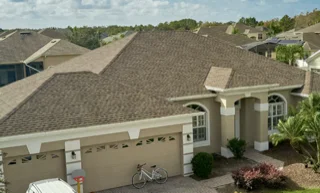
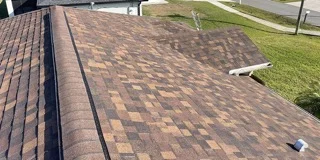
- Asphalt shingles: $8,000-$15,000
- Metal roofing: $12,000-$25,000
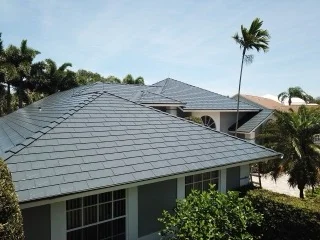
- Tile roofing: $15,000-$35,000
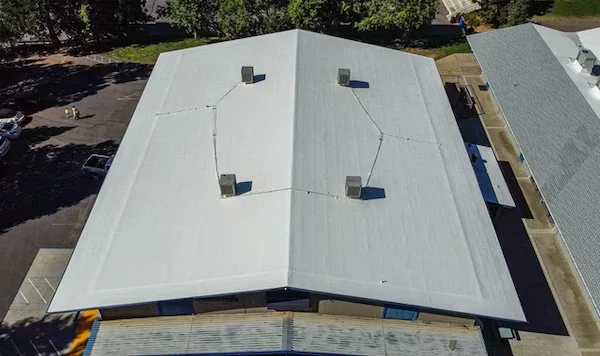
- Flat roof systems: $8,000-$18,000
Factors affecting cost include roof size, pitch (steep roofs cost more), number of layers to remove, decking repairs needed, and material quality.
The Hidden Cost Factor: Timing
Restoration now doesn't mean you avoid replacement forever—it means you defer it. Consider the time value of money:
- $5,000 spent on restoration today might buy you 12-15 more years
- $15,000 spent on replacement today starts a new 25-30 year cycle
- That $10,000 difference invested at 5% for 15 years becomes nearly $21,000
For many homeowners, restoration's lower upfront cost provides better flexibility, especially if you're planning to sell within 10-15 years.
Lifespan Considerations
How long each option lasts directly affects its true value:
Restoration Lifespan
A properly executed restoration typically adds:
- 5-10 years for repair-focused restoration without coating
- 10-15 years with quality coating application
- 15-20 years with premium coating systems on suitable substrates
Results depend heavily on your roof's starting condition, the quality of restoration work, and Florida's demanding climate.
Replacement Lifespan
New roofs in Florida typically last:
- Asphalt shingles: 15-25 years (architectural/dimensional last longer than 3-tab)
- Metal roofing: 40-60+ years
- Tile roofing: 50+ years (with underlayment replacement at 20-25 years)
- Flat roof membranes: 15-25 years depending on type
Florida's UV intensity and storm exposure mean roofs often don't reach their theoretical maximum lifespan, but quality materials and installation help.
When Restoration Makes Sense
Restoration is often the smart choice when:
Your Roof Is Structurally Sound
The single most important factor is structural integrity. If your decking is solid, trusses are in good condition, and problems are confined to the outer roofing layer, restoration can work beautifully.
You're in the 'Sweet Spot' of Roof Age
Ideal restoration candidates are roofs that are:
- Past their warranty period but not completely failed
- Showing age-related wear but not structural damage
- 10-20 years old for shingles, 15-30 years for metal or tile
A roof that's nearly new doesn't need restoration. A roof that's completely failed needs replacement. The sweet spot is in between.
Budget Is a Primary Concern
If replacing your roof would strain your finances significantly, restoration offers a way to extend roof life while you save for eventual replacement or until you sell the property.
You're Planning to Sell Within 10-15 Years
Why pay for a 30-year roof if you're moving in 8 years? Restoration addresses appearance and function at lower cost, making it ideal for homeowners who won't be around to benefit from replacement's full lifespan.
Your Roof Type Responds Well to Restoration
Some roofs are excellent restoration candidates:
- Metal roofs: Coating can address rust, fading, and fastener issues excellently
- Flat roofs: Modified bitumen and built-up roofs coat very well
- Tile roofs: Often only need underlayment work, not tile replacement
- Single-ply membranes: TPO, EPDM, and PVC can gain significant life from coating
When Replacement Is the Better Choice
Sometimes restoration isn't enough. Replace when:
Structural Damage Exists
If your roof deck is rotted, water-damaged, or sagging, coating over it won't solve the problem—it will hide it while damage worsens. Signs of structural issues include:
- Visible sagging from inside attic or outside
- Soft, spongy areas when walking on roof
- Extensive water staining on decking
- Mold or rot visible on rafters or decking
Structural problems require addressing the underlying issues, which typically means replacement.
Multiple Layers Already Exist
Florida building code limits most roofs to two layers of shingles. If you already have two layers, restoration isn't an option—you must tear off to bare decking before re-roofing. Adding coating to an overloaded roof isn't recommended either.
You Want Different Materials
If you're upgrading from asphalt shingles to metal, or from wood shake to tile, that's not restoration—it's replacement. Material upgrades require starting fresh.
Code Compliance Issues
Florida's building codes have evolved significantly, especially regarding wind resistance. If your current roof doesn't meet code and you're doing major work, you may be required to bring the entire roof up to current standards—essentially requiring replacement.
Insurance Requirements
Many Florida insurers now require roofs under a certain age (often 15 years) for full coverage. If your 18-year-old restored roof still counts as an 18-year-old roof to your insurer, replacement might be necessary for coverage.
The Roof Has Failed Extensively
When problems are widespread—active leaks in multiple locations, significant missing or damaged materials, extensive UV degradation—patching and coating becomes impractical. At some point, you're spending restoration money on a roof that needs replacement anyway.
The Inspection Question
How do you know which option is right? A thorough professional roof inspection is essential. This isn't a quick visual check—it's a comprehensive evaluation including:
What Inspectors Evaluate
- Roof surface condition: Material degradation, missing or damaged components, biological growth
- Flashing and penetrations: Condition around chimneys, vents, skylights, and wall transitions
- Drainage: Proper water flow, gutter condition, any ponding issues
- Attic evaluation: Ventilation, insulation, signs of leaks or moisture damage
- Structural assessment: Decking condition, truss/rafter integrity
- Code compliance: Current installation vs. modern requirements
Getting an Honest Assessment
The challenge: contractors who only do replacement may recommend replacement. Coating-only companies may oversell restoration. Look for contractors who offer both services and can honestly recommend what your situation actually needs.
At Pro Specialty Services, we perform thorough inspections and provide honest recommendations. If restoration will serve you well, we'll tell you. If replacement is the smarter choice, we'll tell you that instead—we do both.
The Hybrid Approach
Sometimes the best solution combines elements of both:
Partial Replacement with Restoration
You might replace one severely damaged section while restoring the rest. This is common when:
- Storm damage affected one area but not others
- One section failed prematurely due to a specific issue
- Budget allows addressing the worst areas while protecting the rest
Restoration as a Bridge to Replacement
Restoration can buy time while you:
- Save for quality replacement materials
- Wait for insurance claim resolution
- Prepare to sell the property
- Plan other renovations that affect roofing decisions
Think of restoration as a strategic investment, not just a cheaper alternative.
Material-Specific Considerations
Your current roofing material affects the restoration-vs-replacement calculus:
Asphalt Shingles
- Restoration potential: Moderate (depends on remaining granule coverage and flexibility)
- Coating compatibility: Fair (requires specific acrylic products designed for shingles)
- Typical recommendation: Restoration if 50%+ life remains; replacement if heavily degraded
Metal Roofing
- Restoration potential: Excellent (metal substrates coat beautifully)
- Coating compatibility: Excellent (silicone or acrylic coatings work well)
- Typical recommendation: Restoration is often preferable since metal rarely needs replacement
Tile Roofing
- Restoration potential: Excellent for tiles themselves; underlayment may need replacement
- Coating compatibility: Not typically coated; tiles cleaned and re-sealed instead
- Typical recommendation: Address underlayment; tiles often last indefinitely with maintenance
Flat Roof Systems
- Restoration potential: Excellent for most membrane and built-up roofs
- Coating compatibility: Excellent (silicone is particularly effective)
- Typical recommendation: Restoration strongly preferred if substrate is sound
Making Your Decision
Here's a framework for deciding:
Choose Restoration If:
- Roof is structurally sound (solid decking, no sagging)
- Problems are surface-level (weathering, minor leaks, appearance)
- You're in the roof's middle years (not too new, not completely failed)
- Budget is a primary concern
- You plan to sell within 15 years
- Your roof type responds well to coating
Choose Replacement If:
- Structural damage exists (rotted decking, failed trusses)
- Roof has completely failed or is extremely aged
- You already have multiple roofing layers
- You want different roofing materials
- Insurance requires a newer roof for coverage
- Code compliance issues require extensive upgrades
- You plan to stay in the home for 20+ years
The Bottom Line
Roof restoration and replacement aren't competing options—they're different tools for different situations. The right choice depends on your roof's actual condition, your financial situation, your timeline, and your long-term plans.
Don't assume you need replacement because your roof is showing age. But don't assume restoration will fix everything either. Get a professional inspection, understand your options, and make an informed decision.
At Pro Specialty Services, we help Lake County homeowners navigate this decision every day. We'll inspect your roof thoroughly, explain what we find, and recommend the approach that makes the most sense for your situation—whether that's restoration, replacement, or a combination. Contact us for a free inspection and honest assessment.
Caleb Hutchinson
Owner, Pro Specialty Services
"The restoration vs. replacement question is probably the most common conversation I have with homeowners. Most expect me to push them toward the more expensive option, and they're surprised when I tell them their roof just needs coating and some repairs. The truth is, many roofs that 'need replacement' actually have years of life left with proper restoration. But some roofs genuinely need replacement, and coating over problems won't help. Honest assessment is everything."