Table of Contents
Florida's climate presents unique challenges for roofing systems. The combination of intense UV exposure, heavy rainfall, high humidity, and hurricane-force winds creates conditions that test even the best-installed roofs. Understanding the common causes of leaks helps you catch problems early and protect your home.
1. Damaged or Deteriorated Flashing
Flashing—the metal strips installed around roof penetrations and transitions—is the number one source of leaks we see in Florida. Areas at risk include:
- Chimney flashing where the chimney meets the roof
- Vent pipe boots around plumbing vents
- Skylight perimeters where the frame meets roofing
- Wall-to-roof transitions on multi-story homes
Florida's temperature swings cause metal flashing to expand and contract, eventually loosening sealants and creating gaps. Older homes often have galvanized flashing that rusts through after 15-20 years.
2. Wind-Lifted Shingles
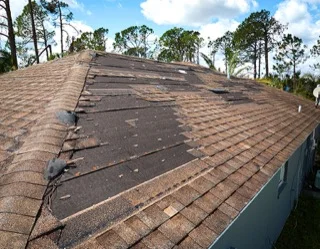
Even without hurricane damage, Florida's regular afternoon storms and strong gusts can lift and loosen shingles. Once a shingle lifts, wind-driven rain can penetrate the exposed area. Signs to watch for:
- Shingles that appear raised or don't lay flat
- Missing shingles after storms
- Exposed nail heads or underlayment
Modern architectural shingles with proper installation are more wind-resistant, but age and UV degradation reduce this protection over time.
3. Clogged Gutters and Poor Drainage
When gutters clog with leaves, debris, or granules, water backs up under the roof edge. This standing water can:
- Rot the fascia board behind the gutter
- Work under shingles at the roof edge
- Saturate the underlayment and sheathing
In Florida's heavy rains, proper drainage is essential. A gutter that handles normal rainfall may overflow during summer storms if partially clogged.
4. Failed Pipe Boot Seals
Every plumbing vent that exits your roof has a rubber boot that seals around the pipe. These boots are made of neoprene or EPDM rubber and have a limited lifespan—typically 10-15 years in Florida's UV-intense climate. When the rubber cracks and separates, water runs down the pipe and into your attic.
Pro tip: We often recommend upgrading to metal-collar pipe boots during roof replacements. They cost slightly more but last significantly longer.
5. Nail Pops and Improper Fastening
Over time, roofing nails can work themselves up through the shingle surface—a condition called "nail pops." This happens due to:
- Deck movement from temperature changes
- Improper nail placement during installation
- Overdriven nails that didn't grip the sheathing properly
Each exposed nail head is a potential leak point. They're easy to repair if caught early—typically just resealing and re-nailing—but left alone, they lead to rotted sheathing.
6. Ice Dam... Wait, No—Florida Equivalent: Condensation Issues
While Florida doesn't get ice dams, we have our own version: condensation problems. When hot, humid attic air meets cooler roof surfaces or AC ductwork, moisture can condense and drip. This often appears as a roof leak but actually originates inside the attic.
Signs of condensation issues include:
- Water stains with no apparent roof damage above
- Moisture appearing during or after AC use
- Mold growth on attic framing
The fix usually involves improving attic ventilation rather than roof repairs.
7. Tile Underlayment Failure
Tile roofs are popular in Florida for their longevity and wind resistance. But here's what many homeowners don't realize: the tiles themselves are waterproof, but the underlayment beneath them is what actually keeps water out. That underlayment typically lasts 20-25 years—shorter than the tiles above it.
If your tile roof is over 20 years old and leaking, the tiles may be fine but the underlayment likely needs replacement.
8. Storm and Impact Damage
Florida's severe weather can cause:
- Hail damage that cracks shingles or tiles
- Wind damage that removes roofing materials
- Debris impact from tree branches or airborne objects
Storm damage isn't always obvious from the ground. Hail can fracture shingle structure without being visible, leading to leaks months later.
9. Age-Related Deterioration
Every roofing material has a lifespan, and Florida's climate often shortens it:
- 3-tab shingles: 15-20 years
- Architectural shingles: 20-30 years
- Metal roofing: 40-70 years
- Tile roofing: 50+ years (underlayment replacement at 20-25 years)
As roofs age, they develop multiple small issues that collectively lead to leaks. At a certain point, repair costs exceed the value and replacement becomes the better investment.
10. Improper Previous Repairs
We frequently see leaks caused by DIY repairs or work by unqualified contractors. Common problems include:
- Roofing cement slathered over everything (it dries, cracks, and fails)
- Mismatched materials that don't integrate properly
- Repairs that address symptoms without fixing root causes
Quality roof repairs require understanding how water moves across the entire roof system, not just patching the visible damage.
Finding the Source of a Leak
Roof leaks can be tricky because water often enters at one point and travels along rafters or sheathing before dripping onto your ceiling. The stain you see may be far from the actual entry point. That's why professional inspection matters—we trace leaks to their source rather than guessing.
Preventing Future Leaks
The best approach to roof leaks is prevention:
- Annual professional inspections
- Prompt repair of minor issues
- Regular gutter cleaning
- Trimming overhanging tree branches
- Addressing attic ventilation problems
At Pro Specialty Services, we help Florida homeowners stay ahead of roof problems. Whether you're dealing with an active leak or want to prevent future issues, we're here to help.
For more roof care guidance, explore our warning signs your roof needs repair, annual maintenance checklist, and attic ventilation guide. For emergency situations, see our emergency roof repair tips.
Caleb Hutchinson
Owner, Pro Specialty Services
"After years of diagnosing roof leaks in Central Florida, I can tell you that most leaks are preventable with regular maintenance. The key is catching small problems before they become big ones."