Table of Contents
Roof coatings offer a cost-effective alternative to complete roof replacement while extending your roof's lifespan by 10-20 years. For Florida homeowners dealing with intense UV exposure, heavy rainfall, and high humidity, the right coating can transform an aging roof into a durable, energy-efficient barrier. But with multiple coating types available, how do you choose the right one?
What Are Roof Coatings?
Roof coatings are liquid-applied membranes that cure to form a seamless, waterproof layer over your existing roof. Unlike traditional roofing materials that come in shingles, tiles, or panels, coatings are applied like thick paint and create a monolithic barrier without seams or joints.
Benefits of Roof Coatings
Properly applied roof coatings provide:
- Extended roof life: Add 10-20 years to aging roofs
- Leak prevention: Seamless membrane seals existing roof
- Energy savings: Reflective surfaces reduce cooling costs 10-30%
- Cost effective: Typically 25-50% the cost of replacement
- Minimal disruption: No tear-off, less mess, faster installation
- Reduced landfill waste: Keeps old roofing out of landfills
- Improved appearance: Fresh, uniform surface
When Coatings Make Sense
Roof coatings are ideal for:
- Flat or low-slope roofs showing age but structurally sound
- Metal roofs with surface rust or fading
- Roofs with minor leaks from seam or fastener failure
- Buildings where you want to extend roof life before eventual replacement
- Properties where energy costs are a significant concern
When Replacement Is Better
Coatings can't fix everything. Replace instead if:
- Roof deck is damaged, rotted, or structurally compromised
- Extensive water damage exists in insulation or substrate
- Multiple layers of roofing already exist (coating adds weight)
- Roof has significant ponding water that doesn't drain
- You need to meet warranty requirements for new roofing
Silicone Roof Coatings
Silicone coatings have become increasingly popular for Florida applications due to their exceptional weathering characteristics.
How Silicone Coatings Work
Silicone coatings are solvent-based or moisture-cure systems that:
- Form elastic membrane: Remain flexible through temperature changes
- Resist UV degradation: Superior resistance to Florida sun
- Shed water: Hydrophobic surface doesn't absorb moisture
- Breathe: Allow moisture vapor to escape from below
Advantages of Silicone
Why silicone excels in Florida:
- Ponding water resistance: Best choice for roofs with standing water
- UV stability: Won't degrade in intense sunlight
- No chalking: Maintains appearance longer than other coatings
- Temperature range: Performs in extreme heat and cold
- Minimal maintenance: Typically requires only periodic cleaning
- Longevity: 15-20 year lifespan common with proper maintenance
Disadvantages of Silicone
Consider these limitations:
- Higher cost: Typically 20-40% more expensive than acrylic
- Slippery when wet: Creates safety concerns for roof access
- Attracts dirt: Surface can collect airborne dirt and pollutants
- Not paintable: Can't be top-coated with other products
- Strong odor: During application, solvent-based versions smell strongly
Best Applications for Silicone
Silicone coatings are ideal for:
- Flat roofs with ponding water issues
- Metal roofs in coastal environments (salt air resistance)
- Roofs with previous coating failures
- High-UV exposure situations
- EPDM rubber membrane roofs
Cost Expectations
Silicone coating costs in Central Florida:
- Material: $1.50-$3.00 per square foot
- Installed: $3.00-$5.00 per square foot (including prep and labor)
- Typical roof (1,500 sq ft): $4,500-$7,500 total
Acrylic Roof Coatings
Acrylic coatings are water-based elastomeric systems offering an economical option for many Florida roofs.
How Acrylic Coatings Work
Acrylic coatings are latex-based formulations that:
- Dry through evaporation: Water evaporates, leaving elastic film
- Reflect sunlight: Bright white or light-colored finishes reduce heat
- Stretch with substrate: Accommodate building movement
- Top-coatable: Can be recoated for maintenance
Advantages of Acrylic
Why choose acrylic coatings:
- Cost effective: Lowest cost per square foot of major coating types
- Bright white available: Excellent solar reflectance (up to 90%)
- Easy application: Water-based, low odor, easier cleanup
- Walkable: Better traction than silicone when dry
- Re-coatable: Can add maintenance coats to extend life
- Fast dry time: Quick curing in warm, dry conditions
- Energy savings: Superior reflectivity reduces cooling costs
Disadvantages of Acrylic
Limitations to consider:
- Ponding water: Cannot withstand prolonged water exposure
- Shorter lifespan: Typically 7-12 years before recoat needed
- UV degradation: Chalks and fades faster than silicone
- Weather-dependent: Can't apply in cold, humid, or rainy conditions
- Maintenance: Needs recoating more frequently
Best Applications for Acrylic
Acrylic works well for:
- Sloped roofs with good drainage
- Metal roofs without rust issues
- Budget-conscious projects
- Roofs with easy access for periodic maintenance
- Single-ply membranes in good condition
Cost Expectations
Acrylic coating costs in Central Florida:
- Material: $0.75-$1.50 per square foot
- Installed: $2.00-$3.50 per square foot (including prep and labor)
- Typical roof (1,500 sq ft): $3,000-$5,250 total
Polyurethane Roof Coatings
Polyurethane coatings provide exceptional durability and impact resistance, making them ideal for high-traffic roofs.
Types of Polyurethane Coatings
Two main categories exist:
#### Aromatic Polyurethane
- Use: Base coat or wear layer under other coatings
- Characteristics: Strong, impact-resistant, but UV-unstable
- UV protection: Requires top coat with acrylic or aliphatic polyurethane
- Best for: Foot traffic areas, base layers
#### Aliphatic Polyurethane
- Use: Top coat that can be exposed to sun
- Characteristics: UV-stable, maintains color and gloss
- Cost: More expensive than aromatic
- Best for: Exposed surfaces needing UV protection
Advantages of Polyurethane
Polyurethane coatings excel in:
- Impact resistance: Best for roofs with foot traffic or hail exposure
- Abrasion resistance: Withstands wear from maintenance activity
- Chemical resistance: Resists oils, greases, and chemicals
- Adhesion: Bonds extremely well to most substrates
- Tensile strength: Superior tear resistance
Disadvantages of Polyurethane
Considerations for polyurethane:
- Cost: Highest cost of common coating types
- Complexity: Often requires multi-coat systems
- Application sensitivity: Moisture-cure types sensitive to humidity
- Professional installation: Less forgiving than acrylic for DIY
- Odor: Strong smell during application and curing
Best Applications for Polyurethane
Choose polyurethane for:
- Roofs requiring frequent access (HVAC service, etc.)
- Areas prone to hail damage
- Commercial buildings with rooftop equipment
- Multi-layer coating systems (aromatic base + acrylic top)
- Spray polyurethane foam (SPF) roofing systems
Cost Expectations
Polyurethane coating costs in Central Florida:
- Material (aromatic): $1.50-$2.50 per square foot
- Material (aliphatic): $2.50-$4.00 per square foot
- Installed: $4.00-$6.50 per square foot (including prep and labor)
- Typical roof (1,500 sq ft): $6,000-$9,750 total
Elastomeric Roof Coatings
Elastomeric coatings are a broad category that includes highly flexible, rubber-like coatings designed to expand and contract with the roof substrate.
What Makes Coatings Elastomeric
The term "elastomeric" refers to:
- Elastic properties: Can stretch 300-600% without tearing
- Recovery: Returns to original shape after stretching
- Flexibility: Accommodates building movement and thermal expansion
- Crack bridging: Spans small cracks and gaps in substrate
Note: Both acrylic and silicone coatings are technically elastomeric, but the term is often used for specialized rubber-based formulations.
Advantages of Specialized Elastomeric Coatings
True elastomeric formulations offer:
- Superior elongation: Handle extreme building movement
- Crack repair: Bridge existing cracks up to 1/4 inch
- Waterproofing: Excellent water barrier when applied thick
- Multi-substrate: Adhere to various roofing materials
Best Applications
Elastomeric coatings work well for:
- Roofs with existing minor cracking
- Buildings that experience significant thermal cycling
- Restoration of aged modified bitumen or built-up roofs
- Climates with large temperature swings
Cost Expectations
Elastomeric coating costs vary widely by formulation:
- Material: $1.00-$2.50 per square foot
- Installed: $2.50-$4.50 per square foot
- Typical roof (1,500 sq ft): $3,750-$6,750 total
Choosing the Right Coating for Your Roof
Multiple factors influence which coating type best suits your situation.
Substrate Considerations
Different roofing materials pair best with specific coatings:
#### Metal Roofs
- Best choice: Silicone or acrylic
- Why: Excellent adhesion, thermal expansion compatibility
- Prep needed: Remove rust, clean thoroughly, prime if needed
#### Single-Ply Membranes (TPO, PVC, EPDM)
- Best choice: Depends on membrane type—consult manufacturer
- EPDM: Silicone or specialized EPDM coatings
- TPO/PVC: Acrylic or compatible elastomeric
- Prep needed: Clean, ensure no adhesion issues
#### Modified Bitumen or Built-Up Roofs
- Best choice: Acrylic, elastomeric, or polyurethane base with acrylic top
- Why: Need UV protection for asphalt-based products
- Prep needed: Remove loose gravel, repair blisters, prime
#### Spray Polyurethane Foam (SPF)
- Best choice: Polyurethane base coat + acrylic or silicone top coat
- Why: Superior adhesion and UV protection for foam
- Prep needed: Repair damage, ensure foam is sound
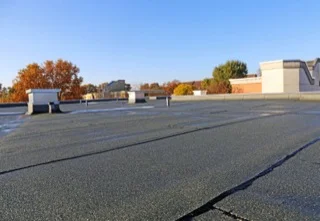
For flat roofing systems, coating choice depends heavily on drainage and substrate condition.
Climate and Environment
Florida's climate influences coating selection:
#### High UV Exposure
- Best: Silicone or high-quality acrylic with UV stabilizers
- Why: Resist degradation from intense sun
#### Ponding Water
- Best: Silicone (only coating truly resistant to standing water)
- Alternative: Fix drainage first, then use any coating
#### Coastal/Salt Air
- Best: Silicone for superior moisture resistance
- Alternative: High-quality acrylic with proper maintenance
#### High Humidity
- Best: Moisture-cure or solvent-based coatings
- Avoid: Water-based coatings in extended humid periods
Energy Efficiency Goals
If reducing cooling costs is a priority:
- Most reflective: Bright white acrylic (90%+ solar reflectance)
- Close second: White silicone (85-88% reflectance)
- ENERGY STAR: Ensure coating meets ENERGY STAR cool roof requirements
- SRI rating: Look for Solar Reflective Index of 100+
Budget Constraints
Coating costs vary significantly:
- Most economical: Acrylic (lowest first cost)
- Best value: Silicone (higher first cost, lower life-cycle cost)
- Premium: Polyurethane (highest cost, maximum durability)
Maintenance Willingness
Consider long-term maintenance requirements:
- Low maintenance: Silicone (longest intervals between recoats)
- Moderate maintenance: Acrylic (plan for recoat every 7-10 years)
- Specialized maintenance: Polyurethane (may need professional inspection/repair)
Roof Coating Application Process
Proper application is as important as choosing the right coating type.
Surface Preparation
Successful coating projects start with thorough prep:
- Cleaning: Remove dirt, debris, grease, oils, biological growth
- Repair: Fix major damage, replace deteriorated sections
- Dry substrate: Moisture content must be below manufacturer specifications
- Primer: Apply primer if recommended for your substrate
- Existing coating removal: Remove failed coatings incompatible with new system
Poor preparation is the #1 cause of coating failure. Don't cut corners here.
Application Methods
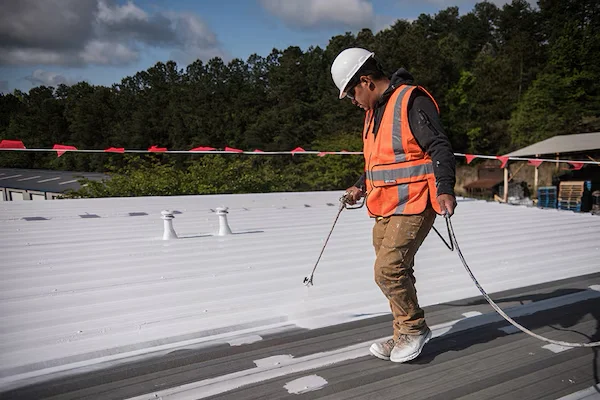
Coatings can be applied via:
#### Spray Application
- Pros: Fast, even coverage, good for large areas
- Cons: Overspray concerns, equipment cost, skill required
- Best for: Large commercial roofs, experienced applicators
#### Roller Application
- Pros: Control, even thickness, better for small areas
- Cons: Slower, labor-intensive, technique-sensitive
- Best for: Residential roofs, detail work, touch-ups
#### Brush Application
- Pros: Detail work, edges, penetrations
- Cons: Very slow for large areas
- Best for: Flashing, corners, repairs
Typical Coating Thickness
Manufacturer specifications vary, but generally:
- Minimum: 10-20 mils dry film thickness (DFT)
- Standard: 20-30 mils DFT in 2 coats
- Heavy-duty: 30-50 mils DFT in 2-3 coats
Thicker isn't always better—follow manufacturer guidelines. Over-application wastes money and may cause issues.
Cure Time and Weather
Allow proper cure time:
- Acrylic: 4-24 hours between coats (temperature/humidity dependent)
- Silicone: 24-48 hours between coats
- Polyurethane: 12-48 hours depending on type and conditions
Weather requirements:
- Temperature: Typically 50-100°F (varies by product)
- Humidity: Below 85% for most coatings
- Rain: No rain for 24-72 hours after application (product-dependent)
- Dew point: Substrate must be 5°F above dew point
Lifespan and Maintenance
Roof coatings aren't maintenance-free, but requirements are minimal.
Expected Lifespan by Type
Under Florida conditions with proper maintenance:
- Silicone: 15-20 years before recoat
- Acrylic: 7-12 years before recoat
- Polyurethane: 10-15 years (if properly top-coated)
- Elastomeric: 8-15 years depending on formulation
Factors affecting lifespan:
- Application quality
- Substrate condition
- Maintenance frequency
- Environmental exposure
- Foot traffic
Maintenance Requirements
Extend coating life with:
- Annual inspections: Check for damage, ponding, deterioration
- Cleaning: Remove debris, dirt, biological growth (2-4 times/year)
- Minor repairs: Touch up damaged areas promptly
- Drainage: Keep drains clear, address ponding water
- Vegetation control: Remove plant growth immediately
Read our flat roof maintenance guide for detailed maintenance tips.
Recoating
When the coating shows significant weathering:
- Acrylic over acrylic: Usually compatible, clean and recoat
- Silicone over silicone: Often possible with proper prep
- Acrylic over silicone: Not recommended (adhesion issues)
- Silicone over acrylic: Possible with proper cleaning
Always check manufacturer compatibility before recoating.
Cost-Benefit Analysis
How do coating costs compare to other options?
Coating vs. Replacement
For a typical 1,500 sq ft flat roof:
Coating Option:
- Cost: $3,000-$7,500
- Lifespan added: 10-20 years
- Disruption: Minimal (1-2 days)
- Tear-off: None
Replacement Option:
- Cost: $8,000-$15,000+
- Lifespan: 20-30 years (new roof)
- Disruption: Moderate (3-7 days)
- Tear-off: Required
When coating makes financial sense:
- Roof is more than 50% through its lifespan but structurally sound
- You plan to own the building for 5-15 more years
- Budget constraints prevent replacement now
- Environmental concerns favor extending existing roof
Energy Savings Value
Reflective coatings reduce cooling costs:
- Typical savings: 10-30% on cooling costs
- Annual savings: $200-$800 for average Florida home
- Payback period: 5-15 years from energy savings alone
- Added lifespan: Another 10-20 years of service
Combined with extended roof life, coatings often deliver excellent ROI.
Warranties and Guarantees
Understand what's covered before committing to a coating system.
Material Warranties
Coating manufacturers typically offer:
- 10-20 year warranties: On material performance
- Prorated vs. non-prorated: Read terms carefully
- Coverage: Material defects, not application issues
- Transferability: May or may not transfer to new owners
Installation Warranties
Reputable contractors provide:
- Workmanship guarantee: Typically 1-5 years
- Leak warranty: May be included in system warranty
- Maintenance requirements: Often must maintain to keep warranty valid
System Warranties
Best option for comprehensive coverage:
- Duration: 10-20 years common
- Coverage: Both materials and labor
- Requirements: Must use approved applicator, follow maintenance schedule
- Cost: May add 10-20% to project cost
Professional Installation vs. DIY
While DIY coating is possible, professional installation offers significant advantages.
When DIY Makes Sense
Consider DIY for:
- Small, simple roofs (sheds, porches, small flat sections)
- Acrylic coatings (most forgiving)
- Homeowners with roofing or painting experience
- Budget constraints making professional installation unaffordable
Why Professionals Are Worth It
Professional installation provides:
- Proper surface prep: Critical for adhesion and longevity
- Warranty eligibility: Many warranties require professional installation
- Equipment: Spray equipment, safety gear, proper tools
- Experience: Know how to address common issues
- Speed: Complete in days what might take homeowner weeks
- Safety: No risk of homeowner injury on roof
- Quality: Even application thickness, proper coverage
Choosing a Coating Contractor
Look for contractors who:
- Are manufacturer-certified installers
- Have specific coating experience (not just roofing)
- Provide detailed written proposals
- Offer system warranties (not just workmanship)
- Can show examples of past coating projects
- Have liability insurance and workers' compensation coverage
The Bottom Line on Roof Coatings
Roof coatings offer a cost-effective way to extend your roof's life, improve energy efficiency, and solve minor leak issues without the expense and disruption of complete replacement. The key to success is choosing the right coating type for your specific roof, climate, and budget—and ensuring proper professional installation.
For most Florida homeowners with flat or low-slope roofs:
- Silicone provides the longest lifespan and best ponding water resistance (worth the premium in many cases)
- Acrylic offers excellent value for well-drained roofs and maximum energy savings
- Polyurethane excels when impact resistance or high traffic is a concern
At Pro Specialty Services, we've coated hundreds of Florida roofs with all major coating types. We can assess your roof's condition, recommend the best coating system, and provide professional installation backed by manufacturer and workmanship warranties.
Considering a roof coating for your home or building? Contact us for a free roof inspection and coating recommendation. We'll help you determine if coating makes sense or if roof restoration or replacement is a better investment for your situation.
Caleb Hutchinson
Owner, Pro Specialty Services
"I've seen coating transform roofs that owners thought needed replacement. A $5,000 coating can deliver another 15 years of service from a roof that would cost $20,000 to replace. But I've also seen failed coatings on roofs that should have been replaced. Honest assessment of substrate condition is critical—and that's what we provide."