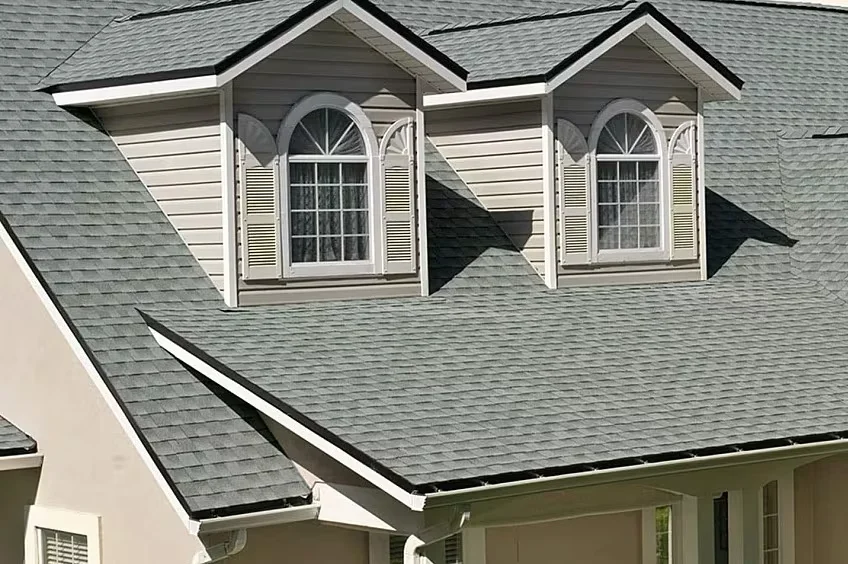
Florida building codes are designed to protect homes and lives from the state's unique weather challenges, particularly hurricanes. If you're planning any roofing work in 2026, understanding these requirements is essential. Non-compliant work can result in failed inspections, denied insurance claims, and unsafe conditions during storms.
In this guide
This guide explains the current Florida building codes as they apply to residential roofing, including the significant updates that have taken effect. Whether you're getting a new roof, making repairs, or just want to understand what standards protect your home, this information will help you make informed decisions.
Understanding Florida's Building Code Structure
Before diving into specific requirements, it helps to understand how Florida's building codes work.
The Florida Building Code (FBC)
The Florida Building Code is based on the International Building Code but includes Florida-specific modifications for:
- High-wind construction: Enhanced requirements for hurricane resistance
- Moisture resistance: Additional protection for our humid climate
- Energy efficiency: Standards for reducing cooling costs
- Flood resistance: Requirements for flood-prone areas
Code Update Cycle
Florida updates its building codes every three years:
- Current edition: 8th Edition (2023), effective January 1, 2024
- Previous edition: 7th Edition (2020), still referenced for some ongoing projects
- Local amendments: Counties and cities may add additional requirements
Wind Speed Zones
Florida is divided into wind speed zones that determine specific requirements:
- High-Velocity Hurricane Zone (HVHZ): Miami-Dade and Broward counties, strictest requirements
- Wind-Borne Debris Region: Most of Florida's coast and peninsula
- Standard zones: Interior areas with lower wind speed requirements
Your location determines which specific standards apply to your roof.
Wind Resistance Requirements
The most significant Florida-specific roofing requirements relate to wind resistance.
Design Wind Speed Standards
All roofing must be designed for specific wind speeds based on location:
- Basic design wind speeds: Range from 120 mph to 180+ mph
- Ultimate wind speeds: Used for structural calculations
- Nominal wind speeds: Vary by county and exposure category
In Lake County and most of Central Florida, typical design wind speeds range from 130-150 mph, depending on your property's specific exposure.
Roofing Material Requirements
Materials must be tested and rated for Florida wind conditions:
- ASTM D3161 Class F or H: Shingle wind resistance (110+ mph)
- ASTM D7158 Class H: Enhanced shingle wind testing
- Florida Product Approval: Required for all roofing products
- Miami-Dade NOA: Required in HVHZ, accepted statewide
Installation Standards
How materials are installed is equally important:
- Enhanced nailing patterns: Six nails per shingle required in most areas
- Starter course requirements: Specific installation for roof edges
- Valley and hip installation: Detailed standards for vulnerable areas
- Sealant requirements: Factory-applied or field-applied sealing of shingle tabs
For more on proper installation, see our roof replacement services.
Secondary Water Barrier Requirements
Florida requires enhanced protection against water intrusion when wind damages the primary roofing.
What Is a Secondary Water Barrier?
Also called "sealed roof deck," this is protection applied directly to the roof deck beneath shingles:
- Self-adhering membrane: Peel-and-stick waterproofing over entire deck
- Enhanced underlayment: Code-compliant synthetic underlayment properly attached
- Spray-applied systems: Foam or coating applied to decking
When It's Required
Secondary water barriers are required for:
- New construction: All new homes must include secondary water barrier
- Re-roofing: When existing roof is stripped to the deck
- Significant repairs: When work exposes decking in large areas
Insurance Benefits
Beyond code compliance, secondary water barriers provide insurance advantages:
- Wind mitigation credit: Significant premium discount
- Enhanced protection: Better coverage terms
- Claim prevention: Reduced damage if shingles blow off
Learn more about insurance savings in our roof inspection cost guide.
Get your Storm Damage Restoration quote.
Free on-site inspection · fast, local scheduling · no pressure.
Permit Requirements
Almost all roofing work in Florida requires permits.
What Requires a Permit
Permits are required for:
- Complete roof replacement: Always requires permit
- Re-roofing over existing: Even if not stripping old roof
- Major repairs: Typically 25% or more of roof area
- Structural changes: Any modification to roof structure
- Minor repairs: Some jurisdictions exempt very small repairs
The Permit Process
Getting a roofing permit involves:
- Application submission: Contractor applies to local building department
- Plan review: Building department reviews scope and materials
- Permit issuance: Work may begin once permit is issued
- Inspections: Required at specific stages
- Final approval: Certificate of completion after final inspection
Who Pulls the Permit?
In Florida:
- Licensed contractors pull permits: This is standard practice
- Homeowner permits: Allowed for owner-occupied, owner-performed work
- Permit responsibility: Whoever pulls the permit is responsible for compliance
Always verify your contractor will pull the permit. Work done without permits can cause major problems with insurance and resale.
Inspection Requirements
Typical roofing inspections include:
- Deck inspection: After old roofing removed, before new installation
- Nail pattern inspection: After underlayment but before shingles (sometimes)
- Final inspection: After all work complete
Failed inspections require corrections before work can proceed.
Roof Deck Attachment Requirements
How your roof deck is attached to the structure is critical for wind resistance.
Deck-to-Frame Connection
Requirements for attaching plywood or OSB to rafters/trusses:
- Minimum fastening: 8d nails, 6" o.c. edges, 12" o.c. field
- Enhanced fastening: 8d ring-shank nails, closer spacing in high-wind zones
- Deck thickness: Minimum 7/16" for most residential applications
- Deck material: CDX plywood or code-approved OSB
When Deck Replacement Is Required
Existing decking must be replaced when:
- Water damage: Rot, delamination, or softness
- Inadequate thickness: Below current code requirements
- Improper fastening: Not meeting current nail patterns
- Structural damage: Storm or age-related deterioration
During your roof replacement, any damaged decking discovered will need replacement. Quality contractors include this possibility in their planning.
Roof-to-Wall Connection Requirements
How your roof connects to your walls significantly affects hurricane resistance.
Connection Types
Florida recognizes these roof-to-wall connection methods (from weakest to strongest):
- Toe-nailing: Nails driven at angle (weakest, older construction)
- Clips: Metal connectors with minimal nailing
- Single wraps: Metal straps wrapped over truss, nailed on one side
- Double wraps: Metal straps wrapped over truss, nailed on both sides (strongest)
New Construction Requirements
Current code requires for new construction:
- Engineered connections: Specified by structural engineer
- Hurricane straps or clips: Depending on wind zone
- Proper nail patterns: Specific nailing for each connector type
Upgrading Existing Connections
When re-roofing, you may have the opportunity to upgrade:
- Access from above: Deck removal allows strap installation
- Insurance benefits: Better connections = lower premiums
- Code compliance: Some upgrades may be required
This is a major factor in hurricane roof preparation.
Flashing and Penetration Requirements
Proper flashing is critical for waterproofing and is addressed in detail by Florida code.
Flashing Materials
Approved flashing materials include:
- Galvanized steel: Minimum 26 gauge for most applications
- Aluminum: Minimum .019" thickness
- Copper: Where aesthetics or durability warrant
- Lead: For specific applications like pipe collars
Installation Requirements
Flashing must be installed according to specific standards:
- Chimney flashing: Counter-flashing and step flashing required
- Valley flashing: Minimum width and material requirements
- Drip edge: Required at all eaves and rakes
- Pipe penetrations: Boot flashing with proper overlap
Sealant Standards
Sealants used with flashing must be:
- Rated for outdoor use: UV and moisture resistant
- Compatible with materials: Won't damage flashing or roofing
- Applied correctly: Per manufacturer specifications
Ventilation Requirements
Proper attic ventilation is a code requirement that affects roof longevity.
Minimum Ventilation Ratios
Florida code requires:
- 1:150 ratio: 1 sq ft of ventilation per 150 sq ft of attic floor
- 1:300 ratio: Allowed with balanced intake/exhaust and vapor barrier
- 50/50 split: Balanced between intake (soffit) and exhaust (ridge/roof)
Ventilation Types
Approved ventilation methods include:
- Soffit vents: Intake at eaves
- Ridge vents: Exhaust at roof peak
- Gable vents: In gable ends (less effective than ridge)
- Power vents: Mechanical exhaust (use carefully)
- Turbine vents: Wind-powered exhaust
For more on ventilation, see our attic ventilation guide.
Materials Approval Process
All roofing materials used in Florida must be approved for use.
Florida Product Approval
Materials must have:
- FL number: Florida Product Approval number
- Current approval: Approvals expire and must be renewed
- Appropriate category: Approved for your application
HVHZ Requirements
In Miami-Dade and Broward counties:
- NOA number: Notice of Acceptance from Miami-Dade
- Enhanced testing: More stringent than standard FL approval
- Product-specific installation: Must follow approved methods exactly
Verifying Approvals
You can verify product approvals at:
- Florida Building Commission website: Product approval database
- Miami-Dade County website: For NOA verification
- Manufacturer documentation: Should reference approval numbers
Always verify that your contractor is using approved materials for your specific location.
Get your Storm Damage Restoration quote.
Free on-site inspection · fast, local scheduling · no pressure.
Energy Code Requirements
Florida's energy code affects roofing in several ways.
Cool Roof Requirements
In some applications, reflective roofing is required:
- Low-slope roofs: May require minimum solar reflectance
- New construction: Energy modeling may mandate cool roof
- Commercial buildings: Stricter requirements than residential
Insulation Requirements
When re-roofing involves accessing attic:
- Minimum R-values: Attic insulation must meet current code
- Vapor barriers: May be required in certain conditions
- Air sealing: Addressing obvious gaps may be required
Common Code Violations to Avoid
Understanding common violations helps ensure your project passes inspection.
Installation Violations
Frequently cited problems:
- Incorrect nail pattern: Wrong number or placement of fasteners
- Improper overlap: Insufficient underlayment or shingle overlap
- Missing flashing: Flashing required but not installed
- Wrong materials: Products not approved for Florida
Documentation Violations
Paperwork problems:
- No permit: Work done without required permit
- Expired permit: Work extended beyond permit validity
- Missing inspections: Required inspections not requested
- No product approval documentation: Can't prove materials are approved
Structural Violations
Serious structural issues:
- Damaged decking not replaced: Existing damage covered over
- Inadequate connections: Roof-to-wall connections not upgraded when required
- Ventilation blocked: Vents covered during installation
Working with Code Requirements
Here's how to ensure your roofing project meets all requirements.
Choose a Licensed Contractor
Florida-licensed roofing contractors:
- Know current codes: Required for license maintenance
- Pull permits properly: Handle paperwork correctly
- Install to standard: Trained in compliant installation
- Ensure inspections: Schedule required inspections
Learn more about choosing a roofing contractor.
Get Everything in Writing
Your contract should specify:
- Materials to be used: With FL approval numbers
- Permit responsibility: Who pulls and pays for permits
- Inspection handling: Contractor's responsibility
- Code compliance guarantee: Written commitment to meet code
Verify Permit Status
During your project:
- Confirm permit was pulled: Check with local building department
- Verify inspections occurred: Request inspection reports
- Get final approval: Certificate of completion at project end
Insurance Implications of Code Compliance
Building code compliance affects your insurance in important ways.
Coverage Requirements
Many policies require:
- Permitted work: Non-permitted work may not be covered
- Code compliance: Violations can void coverage
- Inspection documentation: Proof of proper installation
Premium Benefits
Code-compliant roofs often qualify for discounts:
- Wind mitigation credits: For specific construction features
- Age-based pricing: New, compliant roofs cost less to insure
- Coverage availability: Some insurers require recent, compliant roof
See our inspection cost guide for information on wind mitigation inspections.
Conclusion
Florida's building codes for roofing exist to protect your home and family from our state's challenging weather conditions. While the requirements can seem complex, working with a licensed, experienced roofing contractor ensures your project meets all applicable standards.
At Pro Specialty Services, we stay current with all Florida building code requirements and handle permit and inspection processes for every project. When we complete your roof, you'll have full documentation of code compliance, giving you peace of mind during hurricane season and when dealing with insurance companies. Talk to our roof replacement team to discuss your roofing project and how we'll ensure it meets every applicable requirement.
For more roofing guidance, explore our articles on hurricane roof preparation, costly roof replacement mistakes, and getting and comparing contractor quotes.
Related Services
More on Storm & Insurance
Common Commercial Flat Roof Problems and Solutions
Next →GAF Shingles: Complete Buyer's Guide
Get Roofing Tips
Seasonal maintenance reminders and honest advice from the crew. No spam.